
A Failure to Launch
Play A Failure to Launch
A Failure to Launch Screenshots









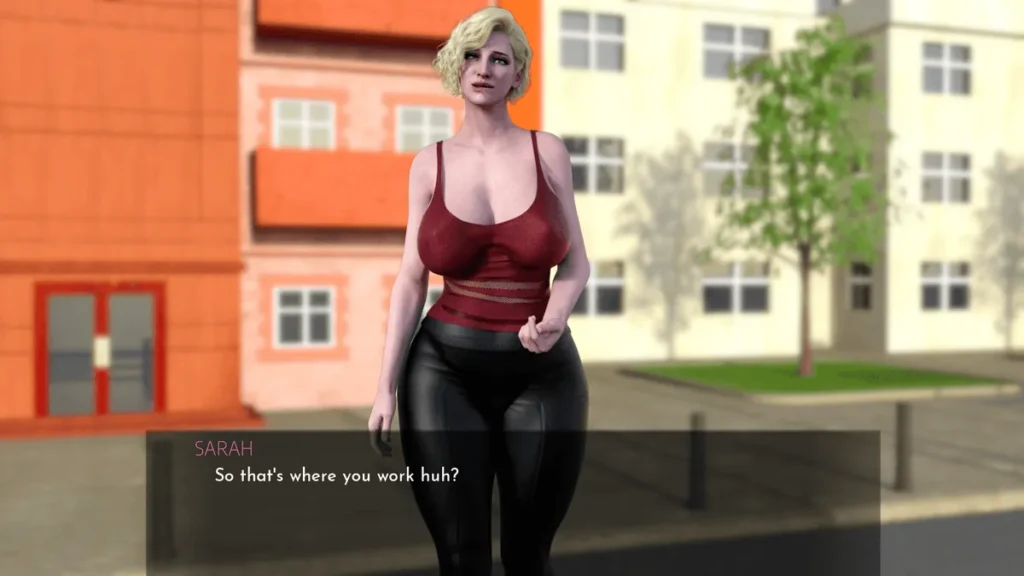
A Failure to Launch review
Explore gameplay mechanics, features, and what makes this indie title stand out
A Failure to Launch is an indie game that has garnered attention for its unique approach to adult-oriented gaming. This comprehensive guide explores what the game offers, how it plays, and what sets it apart in the indie gaming landscape. Whether you’re curious about the mechanics, interested in the narrative elements, or want to understand the development philosophy behind the title, this article covers everything you need to know about this distinctive gaming experience.
Understanding A Failure to Launch: Game Overview and Core Mechanics
Ever booted up a game expecting to be a legendary hero, only to find your character would rather nap than save the world? 😴 That was my exact experience starting A Failure to Launch. I clicked ‘New Game’ ready for epic quests, but my protagonist, Kai, was more concerned with the existential dread of getting out of bed and the delicate art of avoiding his landlord. It was hilarious, relatable, and instantly hooked me. This isn’t your typical adventure; it’s a witty, heartfelt simulation about the struggle to become a person when even small talk feels like a boss fight.
In this part of our complete guide and A Failure to Launch game review, we’re diving deep under the hood. We’ll explore the brilliant A Failure to Launch gameplay mechanics, unpack its unique indie game progression systems, and see how its approach to character interaction in games creates a story that feels uniquely yours. Whether you’re looking for a detailed indie game mechanics explained section or a straightforward guide on how to play A Failure to Launch, you’re in the right place. Let’s get started.
### What Is A Failure to Launch and How Does It Play?
At its core, A Failure to Launch is a narrative-driven life sim with a sharp, comedic edge. You play as Kai, a young adult whose grand post-college plans have spectacularly fizzled. Stuck in a cramped apartment, broke, and battling a potent mix of anxiety and apathy, your goal is simple: help Kai get his life together. But here’s the catch—you define what “together” even means. 🎯
The basic premise turns classic RPG logic on its head. Instead of gaining experience points for slaying monsters, you gain them for slaying… mundane tasks. Did you finally wash the week-old dishes piled in the sink? Experience. Managed to send a single job application? Big experience. Successfully had a conversation without panicking? That’s a level-up moment, friend. This game progression and character development is tied directly to personal growth, making every small victory profoundly satisfying.
When you start the game, you’re given a deceptively simple apartment to explore and a smartphone buzzing with stressful notifications. The core loop involves managing Kai’s three primary stats: Energy, Motivation, and Social Battery. Everything you do drains these. Reading a book costs Energy. Prepping for a job interview drains Motivation. Hanging out with a friend depletes your Social Battery. The genius of how to play A Failure to Launch is in balancing these resources against Kai’s needs and your own goals for him. Do you spend your last bit of Motivation to clean the apartment, knowing it will leave him too drained to work on his portfolio? These are the constant, engaging trade-offs.
The world is explored from a charming isometric perspective, and interaction is point-and-click simple. The real complexity comes from the decision-making. Your day is broken into time blocks (Morning, Afternoon, Evening), and you must choose how to spend each one. This structure creates a gentle but constant pressure—you can’t do everything, so you must decide what matters most. This foundational choice is what makes the A Failure to Launch gameplay mechanics so compelling and deeply personal from the very first in-game day.
### Core Gameplay Systems and Progression
Let’s break down the engine that makes this game tick. The A Failure to Launch gameplay mechanics are a masterclass in interconnected design, where every system feeds into another, creating a beautifully cohesive whole. It’s not just about checking tasks off a list; it’s about how those tasks ripple out to change Kai’s world.
First, the Skill and Trait System. As you perform actions, you’ll improve related skills. Apply for jobs often, and your “Administration” skill goes up, making future applications quicker and less taxing on your Motivation. Practice coding on your laptop, and your “Technical” skill increases, unlocking new dialogue options and job opportunities. More interestingly, your consistent choices shape Kai’s personality Traits. If you frequently choose creative hobbies, Kai might gain the “Artistic” trait, which unlocks new internal monologues and story branches. If you often push through social anxiety, he may develop the “Resilient” trait. These indie game progression systems ensure that your playstyle physically alters the protagonist.
Exploration is another key pillar. Your city district is small but dense. The local café, the run-down park, the intimidating corporate plaza—each location offers specific activities, resources, and chances to meet characters. Finding a new recipe book in the library might unlock a cooking hobby that restores more Energy. Discovering a quiet rooftop might give Kai a much-needed “Sanctuary” spot to recover Social Battery faster. This encourages curiosity and makes the world feel alive.
To give you a clear view of how these systems work in concert, here’s a breakdown:
| Core System | Primary Mechanics | Progression Impact |
|---|---|---|
| Resource Management | Managing Energy, Motivation, and Social Battery for daily tasks. Balancing rest vs. activity. | Directly gates what you can achieve in a day. Teaches strategic planning and self-care as a mechanic. |
| Skill Development | Improving skills like Cooking, Administration, Technical, and Creativity through repeated action. | Unlocks new activities, makes tasks more efficient, and opens unique narrative and job paths. |
| Trait Evolution | Gaining personality traits (e.g., Organized, Witty, Cynical) based on consistent choice patterns. | Fundamentally changes dialogue options, character reactions, and available story endings. |
| Relationship Building | Choosing how and when to interact with a cast of supporting characters via phone and in-person chats. | Unlocks support bonuses, side stories, and crucial emotional support for major plot moments. |
This elegant interplay is what sets its indie game progression systems apart. There’s no grinding in the traditional sense. Progression feels organic because it’s tied to believable human activities. You’re not just filling a bar; you’re witnessing Kai slowly build confidence and competence, and the game’s systems mirror that journey perfectly. 🧠➡️✨
### Character Development and Interaction Systems
If the progression systems are the bones of the game, the character interaction in games here is its beating heart. This is where A Failure to Launch truly shines and carves its unique identity. The people in Kai’s life aren’t just quest dispensers; they’re flawed, funny, and deeply human, with their own problems and growth arcs.
Your main tool for interaction is Kai’s smartphone. 📱 You’ll receive texts, group chat notifications, and social media updates. How and if you respond is always a choice. You can send a thoughtful reply, a dismissive meme, or leave that message from your overbearing parent on “read.” These choices accumulate, shaping your relationships on a “Connection” meter that has multiple dimensions—it’s not just about like/dislike, but about trust, understanding, and emotional history.
Let me give you a real example from my playthrough that shows these systems dancing together. Early on, I met Ruby, a cynical barista with dreams of being a musician. My Kai had been focusing on his Technical skill, feeling isolated. One evening, low on Social Battery but needing a break, I chose “Visit The Beanery” and triggered a conversation with Ruby.
My Tip: Always pay attention to character hobbies mentioned in dialogue. It’s the key to deepening bonds.
Ruby was venting about a terrible open mic night. Because my Kai had a few points in Creativity (from doodling in his notebook), a unique dialogue option appeared: “Could I see the lyrics? I’ve been sketching, maybe we could brainstorm visuals.” This choice, born from my game progression and character development path, did several things:
1. It massively increased my Connection with Ruby, moving us from “Acquaintances” to “Friends.”
2. It unlocked a recurring side quest where Kai and Ruby collaborated on album art.
3. It granted both characters a temporary “Inspired” buff, reducing the Motivation cost of creative tasks for the next two in-game days.
4. It later gave me a critical support option during a low point in the main story, as Ruby returned the favor.
This is the magic. The character interaction in games here is directly fed by your progression (skills, traits) and in turn feeds back into it (unlocking quests, providing buffs). Every relationship feels dynamic and earned. Do you bond with your driven, successful sibling over your shared past, or does your insecurity and their frustration create a rift? The game allows for both, and the narrative adjusts beautifully.
The role of choice and consequence is absolute. Major story beats are often triggered by reaching certain relationship milestones or failing to maintain them. Maybe you’ll get a job referral from a friend you consistently supported. Or perhaps you’ll be too depressed to attend a crucial family event because you neglected your own mental health stats. The game balances narrative elements with interactive gameplay by making the narrative a direct product of your gameplay decisions. The story doesn’t happen to Kai; it happens because of the Kai you’re building through every action and conversation.
From a technical standpoint, the controls are intuitive (point-and-click with simple keyboard shortcuts for menus), and the interface is clean. The phone UI is particularly clever, centralizing your entire social and logistical world. In terms of accessibility, it offers robust options for text size, colorblind modes, and the ability to adjust the speed of dialogue auto-advance—a thoughtful touch for a text-heavy experience.
Compared to similar narrative-rich indies, A Failure to Launch stands out by making its core struggle so internally focused. Where many games use relationships as a lever to change the world, this game uses them as a lever to change the self. Its design philosophy is less about external power fantasy and more about internal empathy and understanding—a rare and wonderful approach.
In wrapping up this A Failure to Launch game review of its core systems, the triumph of the game is its unity. The A Failure to Launch gameplay mechanics, its poignant indie game progression systems, and its deep character interaction in games are not separate features. They are intertwined threads in the same tapestry, all working together to tell a story that is authentically about the slow, non-linear, and deeply personal journey of getting your feet back under you. It’s a game that doesn’t just ask you to play a character; it invites you to care for one. And in doing so, it might just make you think a little more kindly about your own journey, too. 💙
A Failure to Launch represents an interesting entry in the indie gaming space, offering players a unique blend of interactive storytelling and gameplay mechanics. The game’s approach to character development, progression systems, and player choice creates an experience that appeals to those seeking something different from mainstream titles. Whether you’re drawn to the narrative elements, the gameplay mechanics, or the overall design philosophy, understanding what the game offers helps you determine if it’s the right fit for your gaming preferences. As the indie gaming landscape continues to evolve, titles like A Failure to Launch demonstrate the creative potential of smaller development teams willing to explore unconventional themes and gameplay approaches.