Between Humanity
Play Between Humanity
Between Humanity Screenshots
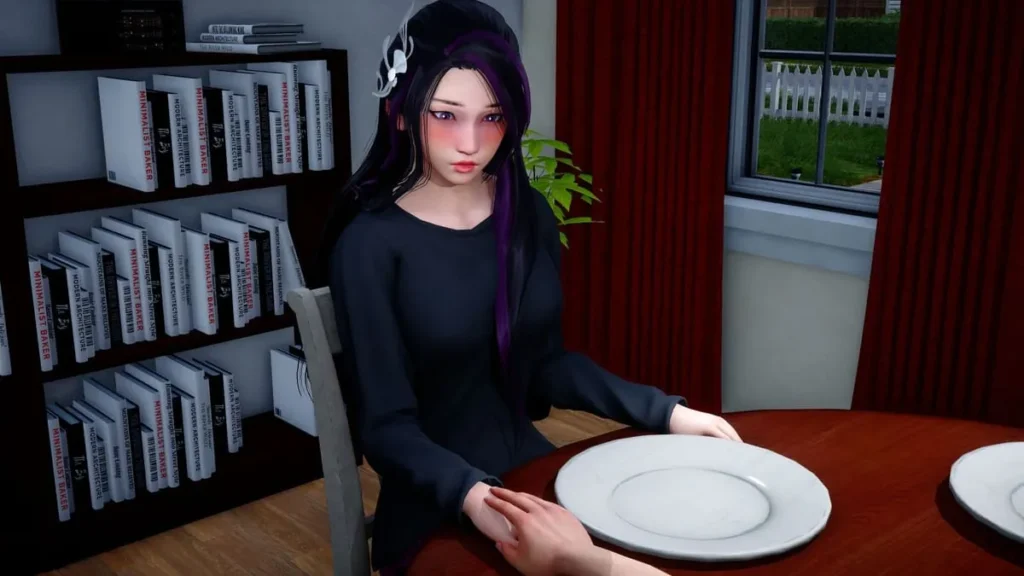
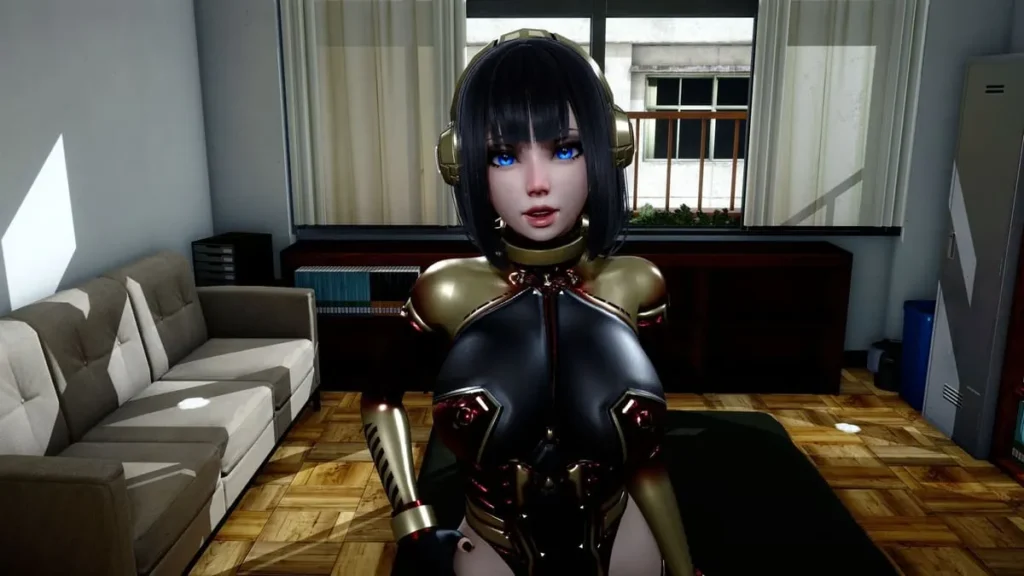

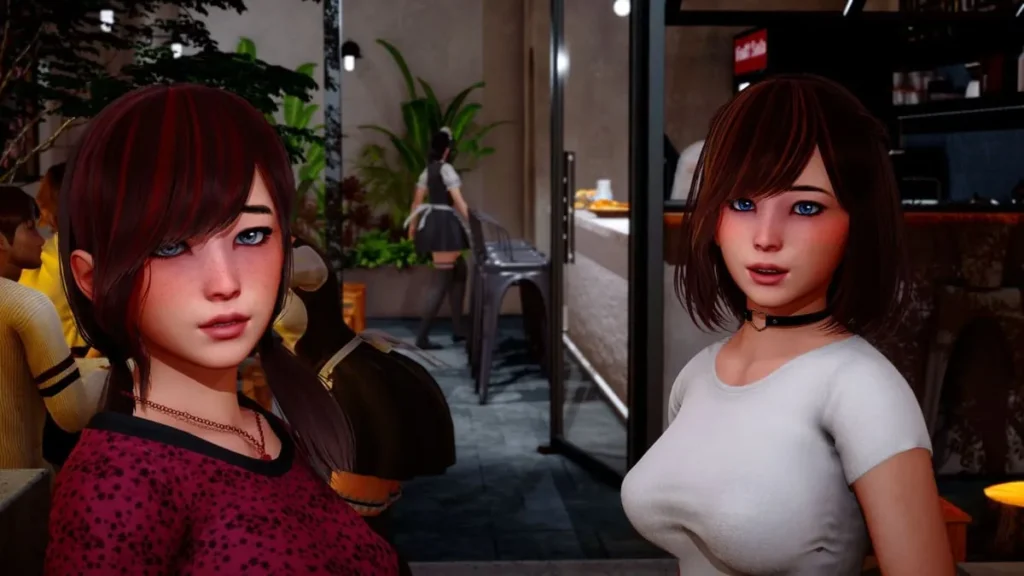

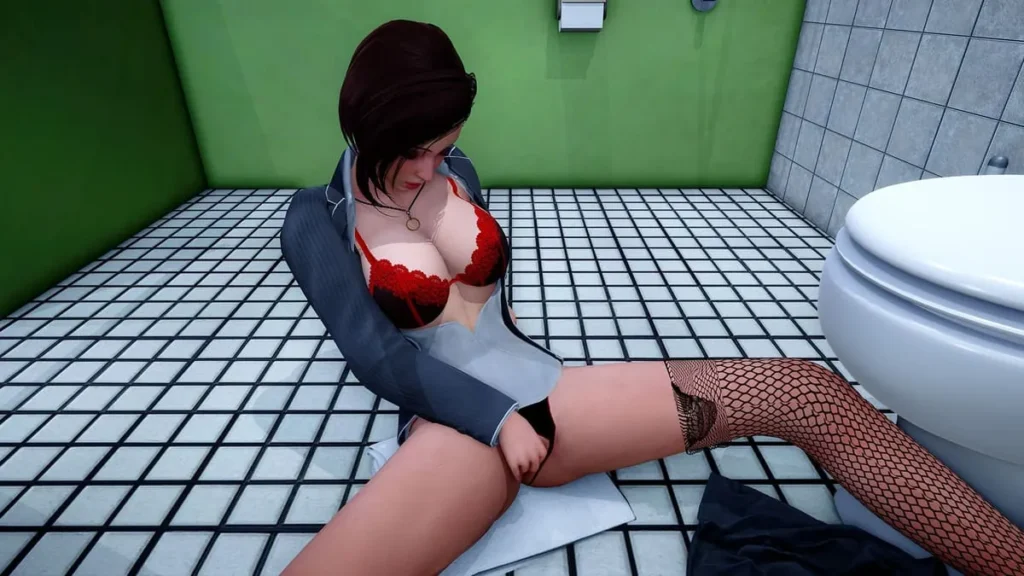


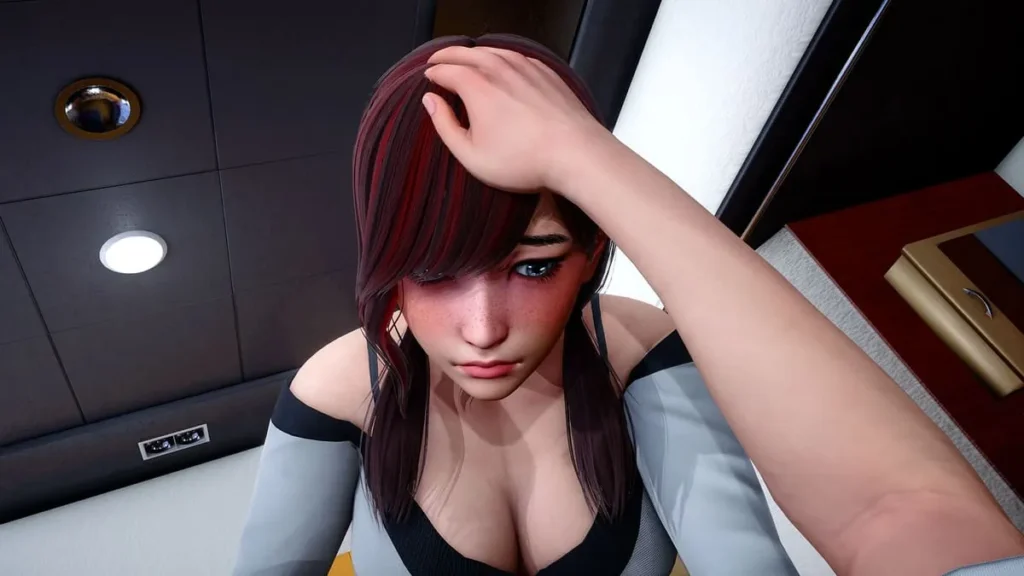
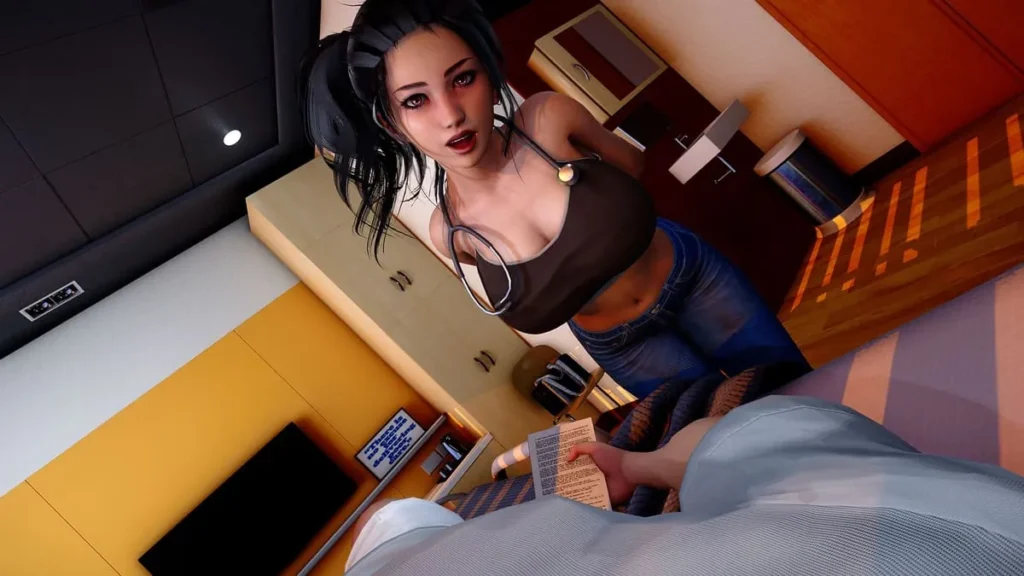
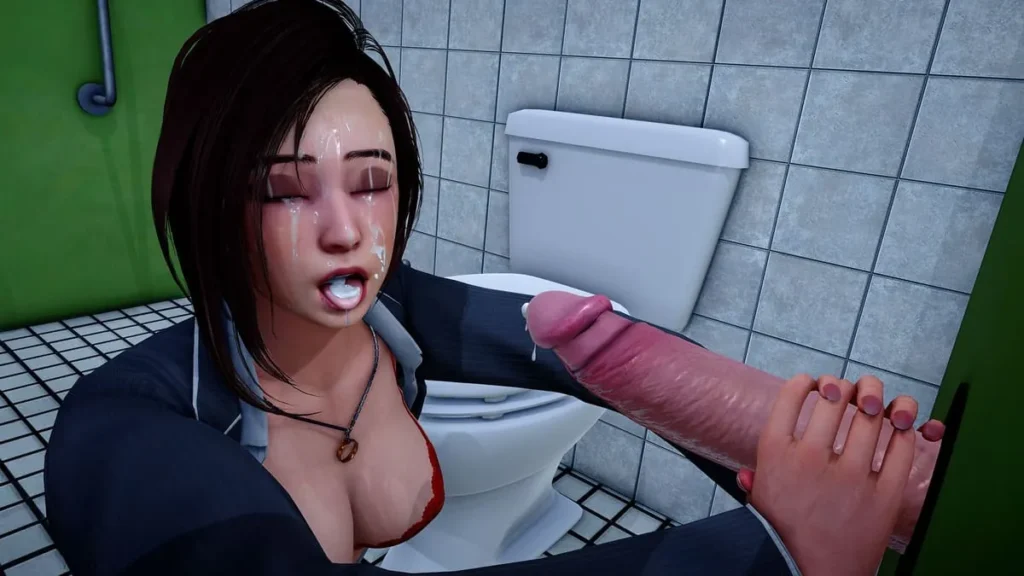
Between Humanity review
Exploring the Story, Gameplay, and Unique Features of Between Humanity
Between Humanity is a distinctive adult visual novel that stands out for its deliberate pacing and immersive storytelling. Unlike many games in its genre, it offers a slow-burning narrative that allows players to deeply connect with characters and the evolving plot. This article explores what makes Between Humanity unique, from its story-driven approach to its gameplay mechanics, providing insights and personal reflections on the experience.
Understanding the Narrative and Pacing of Between Humanity
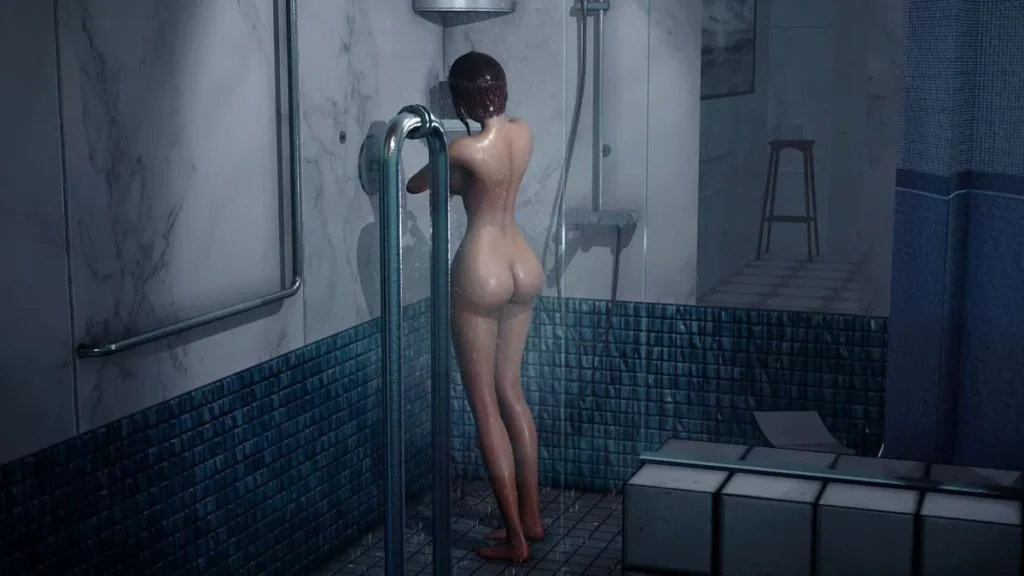
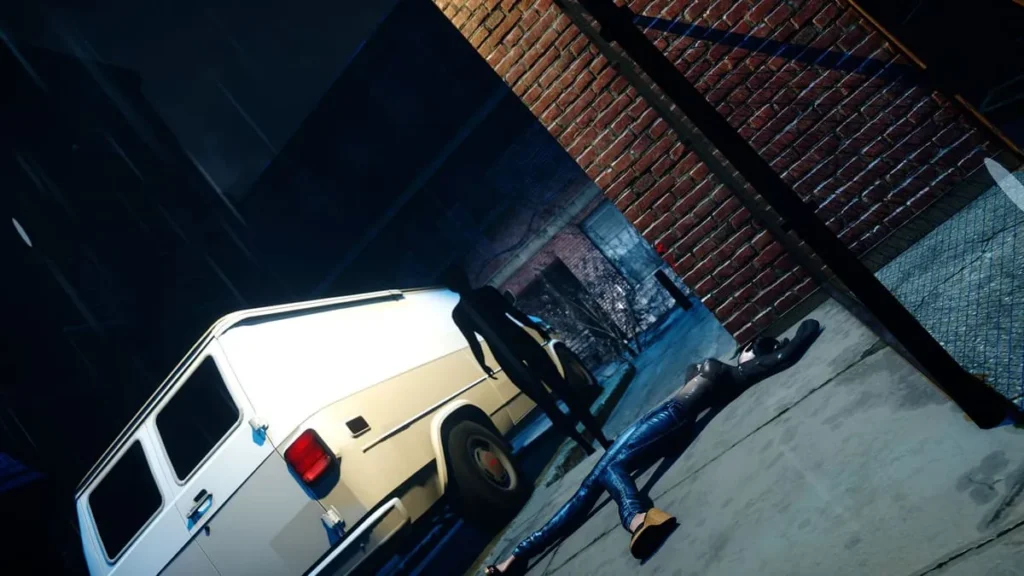
Let me be honest with you. The first time I opened Between Humanity, I braced myself for the usual formula. 😅 I expected a quick introduction, maybe a dramatic event, and then we’d be off to the races. But that’s not what happened. Instead, I found myself simply… living. I was walking through rain-slicked streets, listening to characters discuss their mundane worries, and feeling the weight of a seemingly ordinary world. It was unsettling in the best way. I wasn’t being told this world was complex; I was being allowed to feel it. This deliberate, patient approach is the heart and soul of the Between Humanity narrative, and it completely redefined what I expect from a story-driven game.
This chapter is all about unpacking that magic. We’re going to explore how the game’s patience isn’t a flaw, but its greatest strength, creating an unparalleled level of Between Humanity story immersion.
How the Slow Burn Enhances Storytelling
In a landscape where attention spans are precious, Between Humanity does something brave: it asks for your patience. This isn’t a story in a hurry. The slow burn storytelling here functions like a masterfully composed piece of music. It starts with quiet, subtle notes—a glance held a moment too long, a piece of background lore in a newspaper, a character’s hesitant sigh. These small moments accumulate, layer upon layer, building a foundation of atmosphere and tension so thick you can almost touch it.
This approach does two critical things. First, it builds authentic anticipation. When you spend hours getting to know a character’s fears and hopes in a calm setting, a single raised voice later feels like an earthquake. The game teaches you that quiet moments matter, so you become hyper-attuned to every nuance. Second, it makes the world feel lived-in. You’re not just passing through a set piece; you’re inhabiting a space with its own history, rules, and rhythm. This deep environmental storytelling is a key pillar of the Between Humanity narrative.
Think of it like this: In many stories, the climax is a firework—bright, loud, and quickly over. In Between Humanity, the climax feels like a storm you’ve seen brewing on the horizon for hours. You feel the pressure drop, see the clouds gather, and by the time it breaks, you’re already soaked in the atmosphere. That’s the power of a slow burn.
A big part of understanding this is seeing how it differs from common expectations, especially within its genre. Pacing in adult visual novels is often criticized for being rushed, prioritizing certain scenes over narrative cohesion. Between Humanity flips this script entirely.
| Aspect of Pacing | Typical Visual Novel Approach | Between Humanity’s Approach |
|---|---|---|
| Relationship Building | Often fast-tracked to reach key milestones or scenes. | Developed organically through shared daily experiences and conversations that don’t always have an immediate “payoff.” |
| Revealing Character Depth | Backstory is often delivered in large, dramatic “info-dump” scenes. | Depth is revealed in fragments—an old photograph found, a story told while cooking, a reaction to a song on the radio. |
| Creating Tension | Relies on overt drama, sudden arguments, or external threats. | Crafts tension from unspoken words, lingering silences, and the slow unveiling of a mysterious, pervasive world-state. |
This table shows the core philosophy: trust in the journey. The game believes that the process of getting to know someone or understand a mystery is as valuable as the destination itself. This reshapes the entire plot progression Between Humanity, making it feel less like a checklist of events and more like a natural, unfolding life.
Character Development and Emotional Engagement
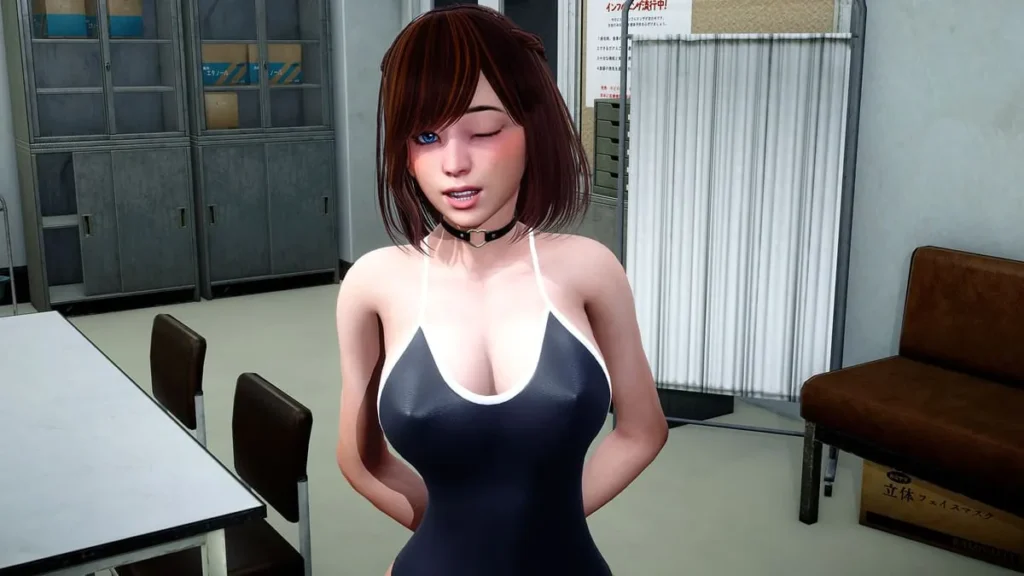
This is where the slow burn pays its highest dividends. Because the game gives characters room to breathe, the character development Between Humanity achieves something remarkable: it makes characters feel like real people, not plot devices. You don’t just learn about Kaelan’s guarded nature; you experience the moments that made him that way, and more importantly, you witness the tiny cracks in his armor that appear when he feels safe. You don’t just get Aisling’s biography; you learn her favorite tea, how she fidgets when nervous, and what she dreams about when she thinks no one is listening.
This granular focus is the engine of emotional engagement game design. When a character finally achieves a hard-won personal victory, you cheer not because the story demands it, but because you’ve been in the trenches with them. You’ve seen their struggles up close. Conversely, when they face a setback, it hurts because your connection is built on hundreds of small, shared moments, not just one or two major events. My own attachment snuck up on me. I realized I was making certain choices in dialogue not to “win” a scene or unlock a path, but because I genuinely wanted to say what I thought would comfort or support that virtual person. That’s a rare and powerful form of immersion.
The game facilitates this through several key techniques:
* Show, Don’t Tell: Instead of a character stating “I am lonely,” you see them eating dinner alone for the third night in a row, or notice them lingering a little longer at a social gathering.
* Imperfections are Key: Characters have flaws, quirks, and contradictions that aren’t immediately solved. They feel human.
* Quiet Moments Matter: Some of the most powerful scenes involve simply sitting with a character, not talking, just sharing space as the in-game day passes.
Let’s look at how this development arcs over time for two core characters:
| Character | Early Game Persona | Core Method of Development | Resulting Player Connection |
|---|---|---|---|
| Kaelan | Aloof, professional, somewhat cynical guardian. | Through small, vulnerable admissions during low-stakes activities and protecting the player character in subtle, non-heroic ways. | Players feel they have earned his trust, creating a protective and deeply loyal bond. |
| Aisling | Energetic, cheerful, and seemingly straightforward friend. | Through glimpses of melancholy when she thinks she’s alone, and her passionate but private creative projects. | Players feel let into a secret world, fostering a sense of intimate friendship and concern for her well-being. |
Balancing Plot Progression with Gameplay
A slow-paced narrative risks losing a player’s interest if it’s not carefully managed. This is where Between Humanity showcases its design intelligence. The plot progression Between Humanity is seamlessly woven into the fabric of its gameplay mechanics, ensuring you are always an active participant in the unfolding story, never just a passive reader. 🎮
The game avoids overwhelming you with complex systems. Instead, it uses simple, impactful mechanics to deepen your investment. The core gameplay loop often involves:
* Exploration and Observation: Clicking around environments isn’t just for finding items; it’s how you piece together the world’s lore and understand character histories.
* Meaningful Dialogue Choices: Choices are rarely about being “good” or “bad.” They are about expressing your personality and shaping the tone of your relationships. Do you respond to a character’s vulnerability with humor or sincerity? This shapes how they open up to you later.
* Resource and Relationship Management: Tending to basic needs or deciding how to spend your limited free time (do you visit Kaelan or work on a project with Aisling?) makes you complicit in the story’s direction. These aren’t mechanical hurdles; they are narrative tools.
This balance ensures the slow burn storytelling never feels stagnant. Even during a quiet day, you are making choices that resonate. You might decide to spend the afternoon repairing a broken radio, which feels like a simple task. But that act might later allow you to hear a crucial broadcast, or it might simply be a moment where a character opens up to you while helping, advancing their personal arc without a major plot event. The gameplay is the story progression.
The genius is that it maintains player agency without resorting to branching plots that feel disjointed. Your choices feed back into the world’s atmosphere and the depth of your connections, making the eventual plot milestones feel like direct consequences of the life you’ve been living. This perfect harmony between player action and narrative reaction is the final, crucial piece that locks you into the experience. You’re not just along for the ride—you’re helping to steer, making every emotional peak and valley uniquely yours. This is the ultimate achievement of Between Humanity’s design: it makes you care, not through manipulation, but through authentic, patiently-built connection.
Between Humanity offers a refreshing experience in the adult visual novel genre through its patient storytelling and well-crafted characters. Its slow-paced approach not only builds anticipation but also creates a memorable and immersive journey. For players seeking a game that values narrative depth alongside gameplay, Between Humanity is a compelling choice. Dive into the game to experience its unique blend of story and interaction firsthand.