
Corruption
Play Corruption
Corruption Screenshots












Corruption review
Master the trust and influence systems in this narrative-driven RPG experience
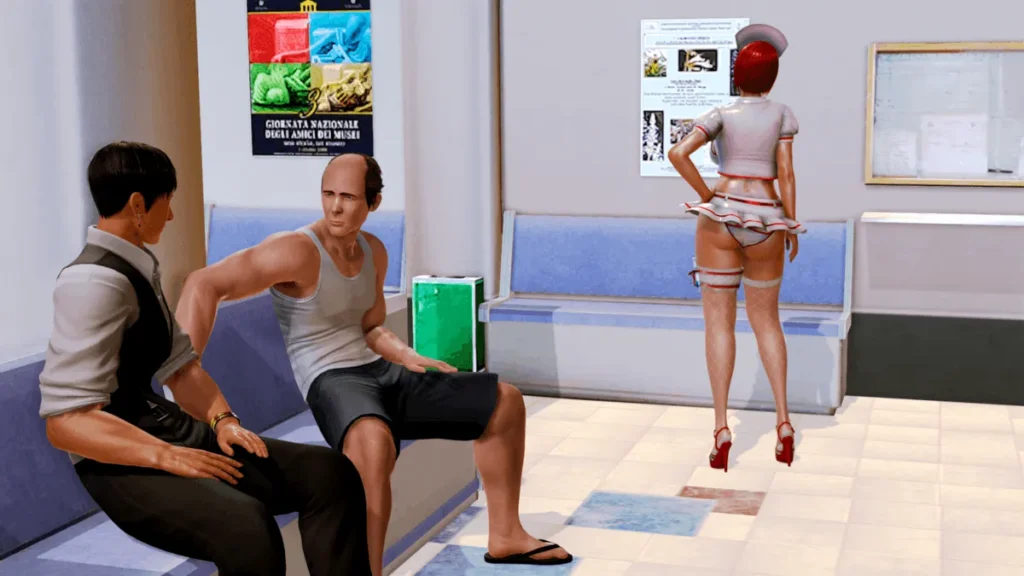
Corruption is an R18-oriented RPG that combines narrative depth with strategic gameplay mechanics centered around character relationships and influence systems. This game features map exploration, stealth gameplay, and over 40 high-quality character scenes with voice acting. The core experience revolves around managing two primary stat systems—trust and influence—that determine how characters respond to your choices and what story paths become available. Whether you’re new to the game or looking to optimize your playthrough, understanding these mechanics is essential for unlocking all content and experiencing the full narrative scope.
Understanding Core Gameplay Mechanics in Corruption
Welcome to the heart of Corruption—the intricate web of systems that transforms a simple story into your story. If you’ve ever felt paralyzed by a dialogue choice or wondered why a character suddenly shut you out, you’re in the right place. Mastering the Corruption game mechanics isn’t about brute force; it’s about subtle manipulation, understanding human nature, and playing the long game. Let’s break down everything you need to know to navigate this narrative minefield and unlock its deepest secrets. 🕵️♂️
The Trust and Influence System Explained 🧠
At its core, Corruption is powered by a brilliant dual-stat engine: Trust and Influence. Think of them as two separate dials you’re constantly adjusting for every character. They don’t work in isolation; they dance together, creating a dynamic RPG stat system that directly controls your access to the world.
Trust is your social currency. It’s the foundation of every relationship in the game. A high Trust value means a character feels safe and comfortable around you. They’ll share private thoughts, grant you access to personal spaces, and be more receptive to your suggestions. Crucially, trust system gameplay acts as the gatekeeper for early narrative progression. Without a basic level of trust, characters simply won’t engage in meaningful story content. Push too hard, too fast, and that trust can evaporate, leading to game-ending scenarios where you’re ejected from the story entirely. It’s the game’s way of saying you’ve burned a bridge beyond repair.
Influence, on the other hand, is your power of persuasion. It represents your ability to sway a character’s decisions, introduce new ideas, and guide their actions. While Trust opens the door, Influence determines what happens after you walk through it. A high influence stat can make a reluctant character agree to a risky plan or see things from your perspective. It directly shapes how characters respond to pivotal conversations and tense situations. Many of the game’s 40+ high-quality scenes are locked behind specific Influence thresholds, making its careful cultivation absolutely vital.
Here’s a personal insight from my first playthrough: I focused solely on building Influence with Liza, thinking persuasive power was everything. I hit a wall when she refused to even meet me alone—my Trust was in the gutter! The game brilliantly teaches you that you can’t persuade someone who doesn’t believe you have their best interests at heart. This interplay is what makes the Corruption game mechanics so compelling and realistic.
Character Progression and Relationship Dynamics 👨👩👧👦
This is where the theoretical meets the practical. Each main character—Mrs. Smith, Liza, Bella, and Rachel—has a unique personality that filters your Trust and Influence stats in distinct ways. Your character relationship progression with each of them follows a different emotional arc.
- Mrs. Smith (The Stern Matriarch): She is guarded and suspicious by default. Building Trust with her is slow and requires demonstrating responsibility and respect. However, once earned, her Trust is robust. Influence over her is the hardest to gain but the most powerful, allowing you to subtly redirect the household’s rules.
- Liza (The Trusting Oldest Daughter): She starts with a high baseline of Trust. She wants to see the best in people. This makes early trust system gameplay with her easier, but it also means betrayals are catastrophic. Her Influence is tied to her desire for guidance; she can be swayed by appeals to duty or family.
- Bella (The Temperamental Middle Child): Volatile and emotional. Her Trust and Influence levels can swing wildly based on your interactions. A single wrong comment can tank your stats, while a perfectly timed compliment can skyrocket them. She responds to empathy and shared rebellion.
- Rachel (The Adventurous Youngest): Curious and impulsive. Trust with her is built through shared secrets and adventures. Influence is exerted by presenting ideas as exciting or fun opportunities. She’s less concerned with long-term consequences, making her both malleable and unpredictable.
To see how this works in practice, let’s look at a concrete example: The First Dinner Conversation.
Scenario: You’re at the family dinner. Mrs. Smith mentions a strict new curfew.
* Choice A (Agree & Support): “I think it’s a wise rule for everyone’s safety.”
* Effect: ✅ Mrs. Smith Trust (+), Liza Trust (+). ❌ Bella Influence (-), Rachel Influence (-). You align with authority, pleasing the matriarch and the dutiful daughter but alienating the rebellious ones.
* Choice B (Question Gently): “That seems early. Is there a specific concern?”
* Effect: ⚖️ Mrs. Smith Influence (Slight +), Bella Trust (+). You show thoughtful engagement without direct defiance, potentially opening a dialogue for later manipulation.
* Choice C (Deflect with Humor): “A curfew? I guess my late-night stargazing plans are ruined!”
* Effect: ✅ Rachel Trust (++), Bella Trust (+). ❌ Mrs. Smith Trust (-). You bond with the younger daughters by lightly challenging the rule, but at the cost of appearing flippant to Mrs. Smith.
This is a perfect snapshot of narrative choice consequences. Every line of dialogue is a stat-building (or stat-breaking) opportunity.
To help you plan your strategy, here’s a breakdown of how key stat values typically affect each character:
| Character | Low Trust (<30) | High Trust (>70) | Low Influence (<30) | High Influence (>70) |
|---|---|---|---|---|
| Mrs. Smith | Closed-door conversations. Polite but distant. Risk of being asked to leave. | Access to her private study. Will confide family worries. May overlook minor rule breaks. | Ignores suggestions. Decisions are final and non-negotiable. | Can sway major household decisions. May delegate authority to you. |
| Liza | Keeps conversations public and brief. Declines private meetings. | Shares diaries and personal secrets. Seeks you out for advice and comfort. | Friendly but follows her own moral compass. Hard to persuade. | Will reconsider strong beliefs. Can be guided towards new experiences. |
| Bella | Openly hostile or sarcastic. May sabotage your efforts. | Reveals deep vulnerabilities. Can become a fierce, loyal ally. | Emotionally reactive. Conversations are chaotic and unpredictable. | You can calm her outbursts or steer her rebellious energy in a specific direction. |
| Rachel | Views you as another boring adult. Excludes you from plans. | Seeks you out for all adventures. Shares hidden locations and treasures. | Listens but often goes her own way anyway. | You can effectively plan and direct her explorations, mitigating risks. |
Exploration and Stealth Gameplay Elements 🗺️👣
Corruption isn’t just about talking; it’s about investigating. The house and its grounds are a puzzle box filled with secrets, and unlocking them requires mastering its stealth gameplay mechanics and exploration systems.
Exploration is your primary tool for discovering passive story content and bonus stat points. Clicking on highlighted objects in each room can yield:
* Diary Entries & Letters: These provide crucial backstory, reveal character fears/desires, and sometimes even hint at how to increase Trust or Influence with someone.
* Mementos & Photos: Collectibles that flesh out the family history, often triggering special, reflective dialogue options later.
* “Easter Egg” Scenes: Small, environmental stories that play out without your direct interaction, rewarding the curious player.
The map isn’t just static scenery. Character movement is semi-predictable based on the time of day. Learning that Mrs. Smith has tea in the parlor at 4 PM, or that Rachel practices piano after school, is key to engineering “chance” encounters or ensuring your activities go unnoticed. This knowledge is critical for the other pillar of gameplay: stealth.
Stealth gameplay mechanics are essential for accessing restricted areas, overhearing private conversations, and setting up specific scenarios. This isn’t a lock-picking mini-game; it’s a system of risk management based on:
* Line of Sight: Staying behind characters or in blind spots.
* Noise: Moving quickly or interacting with loud objects (like creaky floorboards!) increases the chance of detection.
* Schedules: The safest time to sneak into Mrs. Smith’s office is when you know she’s in town.
* Detection Consequences: Getting caught doesn’t just mean being sent back to your room. It can lead to significant Trust loss with the detecting character and raise overall suspicion, making future stealth harder. Getting caught by Mrs. Smith with something incriminating can be a near game-ending mistake.
In one of my most memorable sessions, I used a combination of high Influence with Rachel (to learn Bella’s schedule) and meticulous stealth to plant a suggestive item in Bella’s room just before she returned. This orchestrated event, discovered through exploration and enabled by stealth, triggered a massive shift in her character relationship progression with another family member, opening a branch of the story I didn’t even know existed. That’s the magic of these interconnected Corruption game mechanics.
Remember, every stat point earned, every corner peeked around, and every dialogue choice made is a thread you pull in the vast tapestry of this family’s story. By understanding the delicate balance of the trust system gameplay, strategically wielding your influence stat, and moving through the world with purpose, you transition from a passive observer to the master architect of your own Corruption narrative. Now go forth—the house is waiting, and its secrets won’t uncover themselves. 🔑
Corruption offers a sophisticated narrative experience built on meaningful player choice and character relationship management. By mastering the trust and influence systems, understanding each character’s unique progression paths, and implementing strategic stat management, you can unlock the full scope of the game’s 40+ character scenes and experience multiple story branches. Whether you prefer the soft or hardcore relationship paths, careful planning and understanding of the game’s mechanics will enhance your playthrough and reveal the depth of the narrative design. The combination of exploration, stealth gameplay, and voice-acted character interactions creates a compelling experience that rewards players who invest time in understanding how their choices shape character relationships and story outcomes.