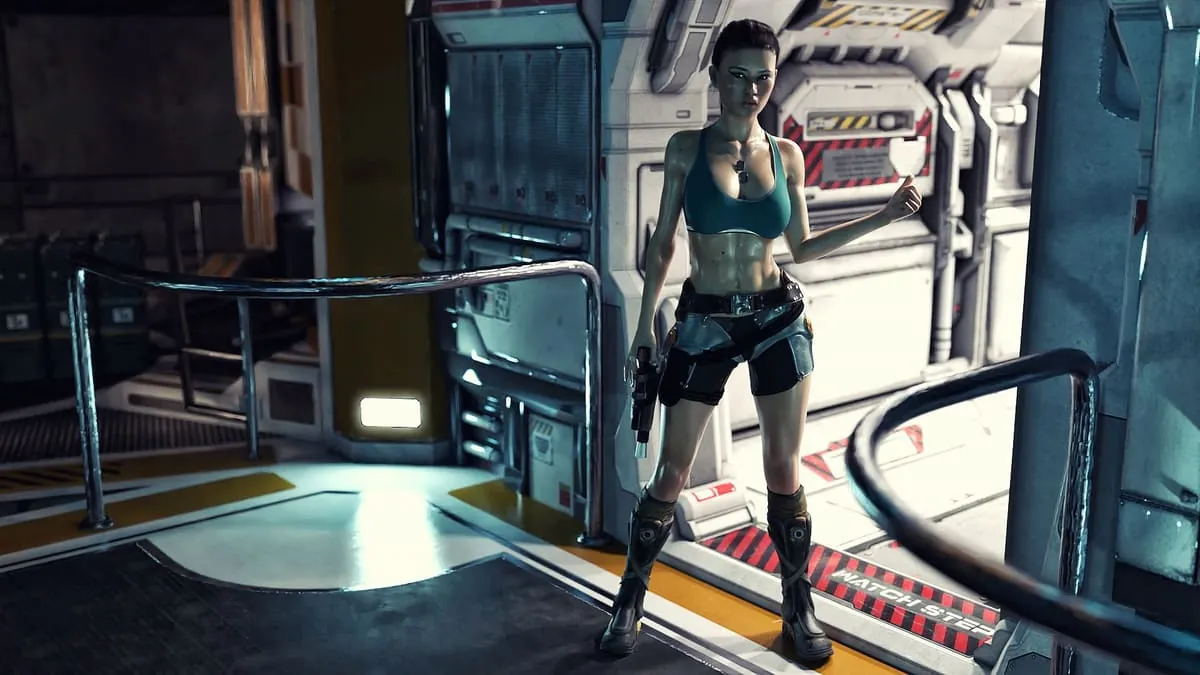
False Hero
Play False Hero
False Hero Screenshots


























False Hero review
Explore the choice-driven mechanics and corruption system that define this engaging experience
False Hero stands out as a choice-driven interactive experience that puts player agency at the center of the narrative. This game features a sophisticated corruption-based system that fundamentally shapes how your story unfolds, offering multiple paths and consequences based on your decisions. Whether you’re a fan of narrative-heavy games or looking for something with meaningful player choice, False Hero delivers an engaging experience where your actions directly impact character relationships and story outcomes. Understanding the core mechanics and features will help you maximize your enjoyment and discover all the game has to offer.
Understanding False Hero’s Core Mechanics and Gameplay Systems
At its heart, False Hero isn’t about saving the world in a straightforward, gleaming armor sort of way. It’s about the messy, complicated, and often thrilling journey of a protagonist whose power comes from a very unconventional source: their own moral decay. 😈 This False Hero gameplay guide will peel back the layers of what makes this experience so captivating, focusing on the systems that transform you from a would-be savior into something far more complex. Forget simple good vs. evil; here, your strength is literally forged from the choices you’d rather hide.
The magic—or rather, the delicious corruption—of this game lies in three interlocked systems: a dynamic corruption mechanic, a narrative that remembers every choice you make, and character relationships that shift like sand. Understanding these is key to crafting your own unique, and likely dubious, legend.
How the Corruption System Works
Let’s start with the engine that drives everything: the False Hero corruption system. This isn’t a simple morality bar where you pick a side and stick to it. Think of it more as a creeping stain, a resource, and a key all rolled into one. Your corruption level is a numerical representation of how far you’ve embraced the darker, more pragmatic, or outright selfish methods to achieve your goals.
You don’t gain corruption by choosing a “bad” option in a vacuum. Instead, it accrues through specific, impactful decisions. Maybe you choose to intimidate a witness for crucial information instead of persuading them. Perhaps you keep a powerful artifact for yourself rather than destroying it for the greater good. Each of these moments feeds your inner darkness, and in return, grants you power. 💪
This is the brilliant twist: corruption unlocks abilities, dialogue options, and story branches that are otherwise inaccessible. A pure-hearted hero might try to reason with a monstrous foe, but a corrupted one can tap into a unique intimidation skill or even a devastating combat technique that channels their inner malice. The game constantly presents you with a tantalizing trade-off: do you stay on the harder, virtuous path, or do you take the expedient, powerful route and let a little more of your soul slip away?
The system’s depth is shown in how it changes the world around you. NPCs will react to the aura you project. A high corruption level might make certain virtuous characters fearful or hostile from the outset, while opening up conversations with shady figures in the city’s underbelly. It’s a living part of your character’s identity.
To give you a clearer picture of how this central mechanic shapes your journey, here’s a breakdown of its effects at different stages:
| Corruption Tier | Character Interactions & Dialogue | Unlocked Gameplay Choices |
|---|---|---|
| Low (Pure) | Trust from town guards, elders, and holy figures. Encouraging, hopeful dialogue options. Characters see you as a true beacon. | Access to “Mercy” resolutions in conflicts. Can activate ancient, pure-altars for blessings. Persuasion checks are easier with lawful characters. |
| Medium (Compromised) | Mixed reactions. Some are wary, others see you as a realist. New, pragmatic dialogue trees open with faction leaders. | Ability to use “Threaten” in conversations for info. Access to grey-market vendors. Can choose to take bribes or “finder’s fees.” |
| High (Corrupted) | Fear and resentment from the public. Instant recognition and respect from crime lords and dark cultists. Virtuous allies may confront you. | Unlocks powerful, health-draining combat skills. Option to extort or dominate NPCs. Can side with antagonistic forces for unique rewards. |
| Very High (Tyrant) | The world visibly fears you. Former friends may become enemies or sycophants. Unique, ending-defining conversations with the ultimate powers of the world. | Access to story paths that let you seize power directly. Ability to command certain foes. Final choices that can reshape the continent. |
This isn’t just a stat; it’s the lens through which the entire game is filtered. My first playthrough, I tried to be a paragon. It was tough! I missed out on whole questlines in the thief’s guild because my aura was “too shiny.” On my second run, I embraced the False Hero corruption system more willingly, and it was like playing a different game—same world, completely different story.
Choice-Driven Narrative and Consequences
If corruption is the engine, then the choice-driven gameplay mechanics are the steering wheel, brakes, and navigation system all at once. False Hero operates on a simple but profound principle: choices compound. A small decision in Chapter 1 can blossom into a major plot vortex by Chapter 5, creating those incredible “wait, THAT’S because of what I did?!” moments. This creates a deeply interactive story game experience where you feel genuine authorship.
The game avoids the illusion of choice. When you make a decision, the game files it away. It might not be referenced immediately, but it’s never forgotten. Did you spare the bandit leader who begged for mercy? You might find him later, running a legitimate business that offers you a discount… or leading a larger, more vengeful gang. Did you expose a noble’s secret to gain leverage? That noble might be absent from a critical council meeting later, changing the political landscape.
This design philosophy is what creates the legendary False Hero player choices consequences. It encourages you to think role-play, not just tactically for the immediate reward. The stress of a major decision is real because you know the game has the long-term memory to make it matter.
Pro Tip: Don’t save-scum through your first playthrough! The anxiety and wonder of living with your decisions is where False Hero truly shines. Let your story be messy and unexpected.
Let me give you a real example from my own playthrough. Early on, I encountered a young, terrified scout named Elara who had failed in her duty, causing a village to be unprepared for a monster attack. I had two clear options: cover for her mistake with my growing reputation (building loyalty but lying to my allies), or tell the truth to the village elder (upholding duty but shaming her).
I chose to cover for her. It felt like a small, merciful white lie. Fast forward twenty hours. I’m leading a defense against a major invasion, and a key fortress gate is about to be overrun. Out of nowhere, Elara—now a confident captain—appears with a reserve force she’d personally rallied, saving the battle. She said, “I never forgot what you did for me. My network is yours.” That reserve force? Only available because of that early, seemingly insignificant choice. Conversely, a friend who told the truth found Elara bitter and absent at that moment, forcing a much harder, costlier battle. This is the cascading effect of branching narrative paths in action.
Character Relationships and Branching Paths
Your journey in False Hero is not a solitary one, and how you navigate False Hero character relationships is arguably the most human and reactive part of the experience. Every major character has their own morality, memory, and agenda. Your corruption level and your specific choices directly affect your standing with them, measured through often-hidden “trust” or “affinity” meters.
These relationships are not just about unlocking romance options (though those are deeply woven in!). They are functional, gameplay-critical bonds. A character who trusts you utterly might share a crucial family secret that unlocks a new avenue in the main quest. One who fears or despises you might withhold that same information, or even actively work against you in subtle ways, redirecting the branching narrative paths available to you.
For instance, your steadfast companion, Kaelen, is a knight of the old order. If you maintain a low-corruption path, he’s your rock-solid brother-in-arms, offering strategic military support. But if you start descending into tyranny, he’ll first try to reason with you, then argue, and eventually, if your corruption is high enough, he may challenge you to a duel at a story-critical moment. That relationship arc isn’t just cutscenes; it determines whether you have a legendary warrior at your side or facing you down at the climax.
The flip side is a character like Morwen, an enigmatic mage fascinated by forbidden power. She’s wary of a pure hero, seeing them as naive. But show a willingness to get your hands dirty, and her dialogue opens up. At high corruption levels, she can become your most powerful ally, offering unique magical research that can tip the balance of power. Nurturing False Hero character relationships is a constant balancing act of aligning your actions with the values of those you want by your side—or deciding whose values you’re willing to betray.
This all feeds back into the game’s immense replay value. A single playthrough will only show you a slice of the possible story. To see another major character’s loyal side, or to unlock an entirely different ending faction, you need to make different core choices and manage your corruption differently. It makes subsequent playthroughs feel like detective work, where you’re piecing together the full tapestry of the game’s world.
Understanding these three pillars—the corrupting power source, the memory-heavy narrative, and the reactive character webs—is your ultimate False Hero gameplay guide. This isn’t a game you simply win; it’s a story you mold, for better or worse. Your greatest weapon and your greatest vulnerability are the same thing: every choice you make. So, what kind of hero will you be? The kind they write ballads about, or the kind they whisper warnings of? The path is yours to corrupt. 🔥
What was the most surprising consequence you faced in your playthrough? Let us know in the comments
False Hero delivers a compelling experience through its innovative corruption-based system and meaningful player choices. The game’s strength lies in how it respects player agency, allowing your decisions to genuinely shape the narrative and character relationships throughout your playthrough. With multiple branching paths and consequences that ripple through the story, False Hero encourages exploration and replay to discover all the different outcomes possible. Whether you’re drawn to games with deep choice mechanics or engaging character-driven narratives, False Hero offers a rich experience that rewards thoughtful decision-making and invites you to explore how different choices create entirely different stories.