Kingdom of Deception
Play Kingdom of Deception
Kingdom of Deception Screenshots
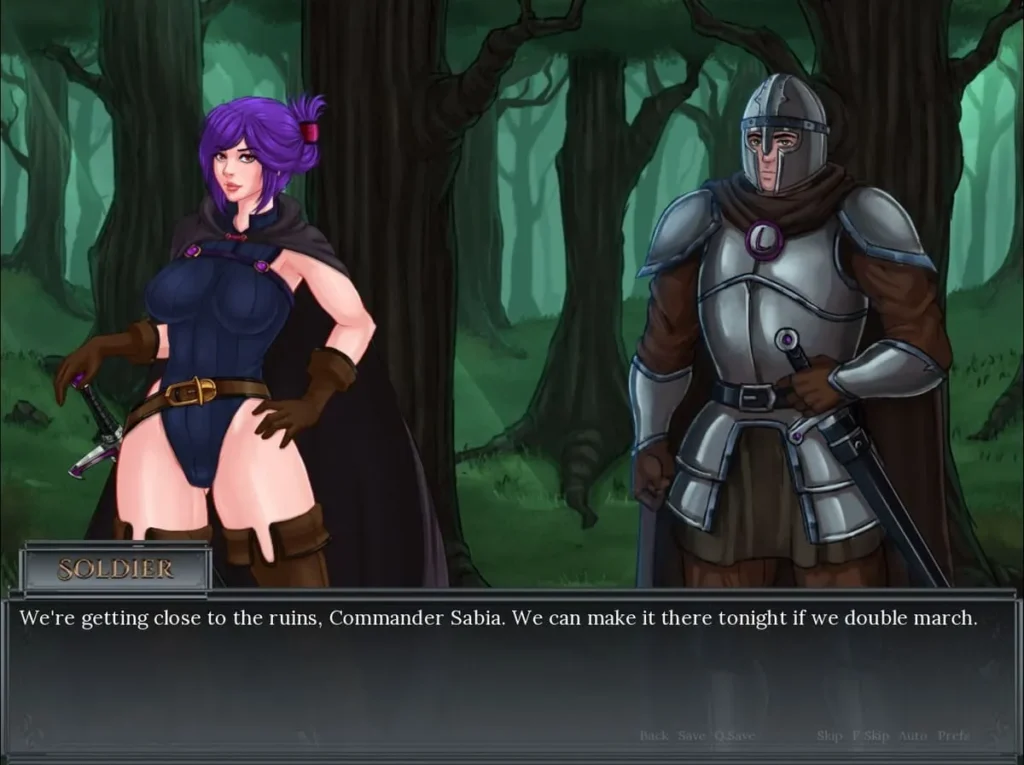
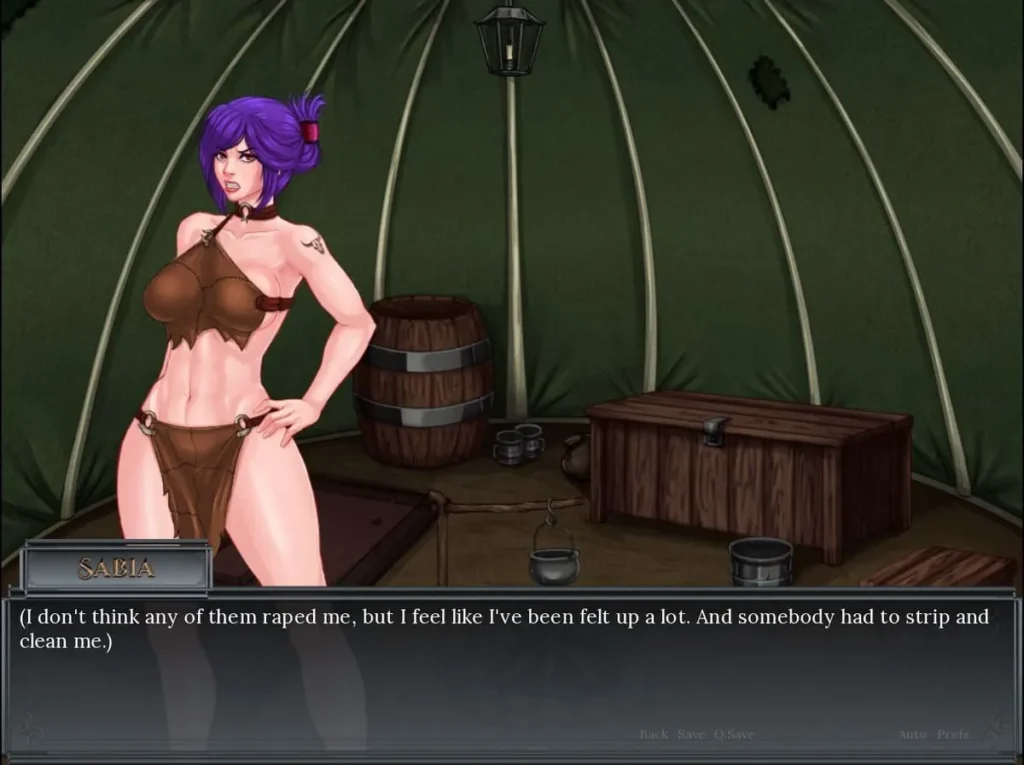
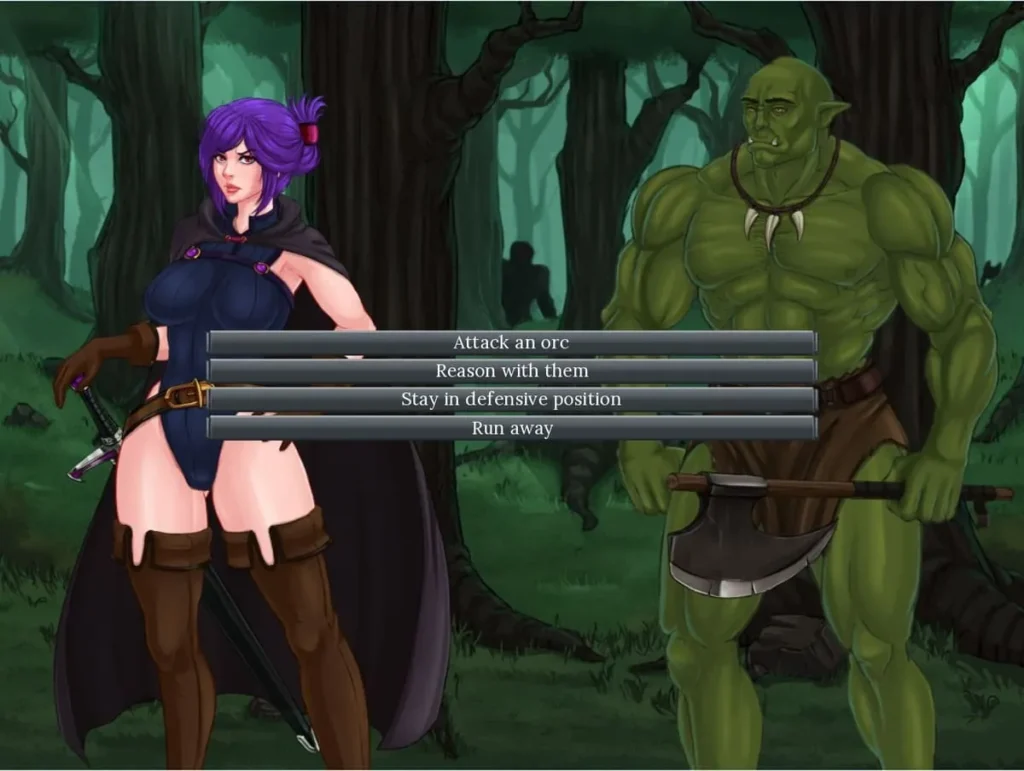
Kingdom of Deception review
Master gameplay mechanics, character interactions, and progression strategies
Kingdom of Deception stands out as an engaging interactive experience that combines strategic gameplay with character-driven narratives. Whether you’re new to the game or looking to optimize your playthrough, understanding the core mechanics and progression systems is essential for success. This guide covers everything from initial setup to advanced strategies, character interactions, resource management, and proven tactics to maximize your gaming experience. Learn how to navigate the game world effectively, build relationships with key characters, and unlock all the content this unique title has to offer.
Getting Started: Kingdom of Deception Fundamentals
Welcome, aspiring spymaster! 👋 Stepping into the shadowy corridors of Kingdom of Deception for the first time can feel overwhelming. You’re not just managing stats; you’re managing perceptions, loyalties, and a very fragile treasury. I remember my first playthrough, desperately trying to befriend everyone while my gold reserves hit zero—it was a disaster! This Kingdom of Deception beginner guide is designed to help you avoid those early pitfalls. We’ll break down the essential systems so you can build a solid foundation for your empire of intrigue.
Think of this chapter as your first confidential briefing. We’re going to cover the three pillars that will make or break your early game: how the game actually works, who you need to know (and how to win them over), and how to keep your coffers full. Mastering these Kingdom of Deception gameplay mechanics from the start is the difference between flourishing and floundering.
### Understanding Core Gameplay Mechanics
At its heart, Kingdom of Deception is a game of social strategy wrapped in a rich, narrative shell. 🎭 It’s not a pure action game or a simple turn-based battler. Instead, the core loop revolves around a daily action system powered by a resource called Social Energy. Every conversation, investigation, and special activity costs this energy, making your daily choices crucial.
Here’s how a typical day breaks down:
* Morning Planning: You review your objectives, check your resources, and decide where to focus your efforts.
* Daytime Actions: You spend your Social Energy on activities. This could be deepening a character relationships and trust system through conversations, working to earn money, or pursuing story missions.
* Evening Reflection: Outcomes of your choices play out, relationships may evolve, and you receive reports on your various schemes.
The brilliance of the Kingdom of Deception gameplay mechanics lies in this balance. You can’t do everything in one day. Choosing to tail a suspicious courtier means you can’t also spend time mining for gold. This creates a constant, engaging tension. My personal strategy? I dedicate at least 60% of my daily energy to relationship-building and story, and 40% to Kingdom of Deception gold farming. This ensures I never fall behind in either realm.
Another key mechanic is the Suspicion Meter. Certain actions, like prying too openly or failing a covert task, can raise the suspicion of other characters or factions. If a character’s suspicion of you gets too high, they’ll shut down interactions, making it harder to advance their story or gain their aid. It’s a constant dance of risk and reward.
Pro Tip: Always check a character’s available dialogue options before committing your Social Energy. Some conversations offer huge trust boosts for low cost, while others are energy sinks for minimal gain. Prioritize the high-reward interactions!
### Character Introduction and Relationship Building
Now, let’s talk about the soul of the game: its characters. You’re not collecting allies; you’re cultivating assets. Every smile, every shared secret, and every gifted trinket is an investment in your future influence. The character relationships and trust system is your most powerful tool—and your most volatile weapon.
Your journey will begin with key figures like Elyon, the enigmatic spymaster who becomes your initial point of contact. Early interactions with Elyon are critical. They serve as a tutorial for the broader gift system and character interactions. Agreeing to their first few missions solidifies a baseline of trust, opening up more delicate tasks and confidential information later. Ignoring them? That sets a very different, lonelier path.
Trust is the true currency here. It’s displayed as a numerical level (e.g., Trust Level 7) and unlocks:
* New Story Branches: High trust opens exclusive narrative paths and endings.
* Crucial Assistance: Characters will provide you with resources, cover for your actions, or vital intelligence.
* Personal Quests: Each character has a multi-part personal story that only unfolds as trust deepens.
So, how do you build this precious trust? It’s a three-pronged approach:
1. Dialogue Choices: During conversations, you’ll often have multiple response options. Some are neutral, some are empathetic, and some are manipulative. Picking the response that aligns with a character’s personality (which you learn through observation) yields the biggest trust boost. Getting it wrong can sometimes decrease trust!
2. The Gift System: This is where your resource management strategy directly fuels your social power. Each character has loved, liked, and disliked gifts. Giving a loved gift is the single fastest way to rocket their trust level upward.
3. Favor Completion: Characters will sometimes ask you for small favors—fetching an item, delivering a message, or discrediting a rival. These are golden opportunities. Successfully completing a favor always grants a substantial trust increase and often a tangible reward.
Here’s a personal insight: on my second playthrough, I focused solely on Elyon and one other character, the merchant Ravna. By maxing out their trust early, I gained access to a lucrative trade network that solved all my money problems by the mid-game. It pays to specialize before you diversify!
### Resource Management and Economy Systems
Let’s be blunt: intrigue doesn’t fund itself. 🪙 Whether you’re bribing a guard, purchasing a rare gift, or funding a covert operation, you need gold. Learning how to earn money in Kingdom of Deception is a non-negotiable core skill. A bankrupt spymaster is a powerless one.
Your primary economy consists of Gold and Social Energy. We’ve covered energy; now let’s dig into gold. The game cleverly ties your Kingdom of Deception gold farming activities into the world. You’re not just clicking a “generate gold” button; you’re engaging in in-world work that makes narrative sense.
Here are the primary ways to fill your purse:
* Court Assignments: The royal court posts daily jobs—things like investigating minor disputes, compiling reports, or diplomatic errands. These are reliable, low-risk sources of income perfect for new players.
* Commerce: Once you befriend merchants like Ravna, you can buy low and sell high between different locations. This requires upfront capital and some knowledge of item values, but the profit margins are excellent.
* “Special” Operations: As you progress, shadier, higher-risk opportunities emerge. These can pay out huge sums of gold but come with the risk of raising suspicion or damaging relationships if discovered.
* Character Rewards: Successfully completing story missions or character favors often includes a gold bonus. It’s a great way to advance the plot and your finances simultaneously.
This is where your resource management strategy becomes a daily puzzle. You must balance the time (Social Energy) spent earning gold against the time spent spending it on gifts and story progression. My Kingdom of Deception beginner guide advice? For your first week in-game, prioritize stable Court Assignments to build a bankroll of at least 5,000 gold. This safety net will let you purchase high-quality gifts and tackle opportunities without panic.
Speaking of gifts, they are the bridge between your economy and your relationships. The gift system and character interactions are deeply linked. Common flowers might be okay for a first meeting, but a rare, imported book could be the key to unlocking a character’s deepest loyalty. Pay attention to dialogue clues about their hobbies and past!
To help you plan your economic engine, here’s a comparison of the main activities for how to earn money in Kingdom of Deception:
| Activity | Gold Yield | Time (Social Energy Cost) | Risk / Notes |
|---|---|---|---|
| Basic Court Assignment | Low (200-500 Gold) | Low (1-2 Energy) | Zero risk. Perfect for daily consistent income. |
| Commerce (Buying & Selling) | Variable, can be Very High | Medium (3-4 Energy per trip) | Requires initial investment and market knowledge. Low suspicion risk. |
| Merchant Favor (e.g., for Ravna) | High (800-1500 Gold + Item) | Medium (3 Energy) | Boosts trust. Must have unlocked the character. |
| Covert Operation | Very High (2000+ Gold) | High (5-6 Energy) | High risk. Can raise suspicion if failed. |
🔄 The Golden Rule: Always keep a reserve of both gold and energy. Never spend your last bit of energy on a gamble, and never empty your treasury on a single gift. Consistency and patience will build an empire far faster than reckless spending.
### Frequently Asked Questions (FAQ)
Q: I’m totally broke at the start of the game! What did I do wrong?
A: This is the most common stumble. You likely spent all your starting gold on random items or gifts without a steady income. Don’t worry! Focus entirely on Court Assignments for the next few in-game days. Avoid all unnecessary purchases until you have over 3,000 gold saved. The story will wait for you.
Q: Should I try to befriend every character I meet?
A: In your first playthrough, I don’t recommend it. It spreads your energy and resources too thin. Pick 2-3 characters that interest you (like Elyon for the main plot and one other) and focus on them. Deep, high-trust relationships unlock more benefits than several shallow ones.
Q: I gave a gift and it barely moved the trust meter. Why?
A: You likely gave a “liked” or, worse, a “neutral” gift. The impact difference between a “loved” and a “liked” gift is massive. Listen carefully to character dialogue. If the gardener mentions his late wife cherished moon lilies, guess what his “loved” gift is? Context is everything in the gift system and character interactions.
Q: Is it better to save my Social Energy or use it all every day?
A: Use it! 🌞 Social Energy typically refreshes to full each new in-game day (with some upgrades allowing a larger cap). There’s no long-term benefit to hoarding it. A day where you don’t use your energy is a day of lost progress in both relationships and resources.
Q: What’s the one early-game mistake I should absolutely avoid?
A: Neglecting your economy. It’s easy to get swept up in the fascinating stories and forget to make money. View Kingdom of Deception gold farming not as a chore, but as a fundamental part of your spycraft. You cannot manipulate the kingdom if you can’t pay your informants. Set a simple rule: every game day, at least one of your actions must be dedicated to generating income.
By internalizing these fundamentals—the rhythm of the Kingdom of Deception gameplay mechanics, the nuanced dance of the character relationships and trust system, and the disciplined practice of a resource management strategy—you’ve now laid the groundwork for success. You’re no longer a novice; you’re a prepared operative ready to weave your web of deception. Go forth and shape your kingdom!
Kingdom of Deception offers a rich gaming experience that rewards both strategic planning and careful character relationship management. By mastering the core mechanics covered in this guide—from efficient resource gathering to meaningful character interactions—you’ll unlock the full potential of what this game has to offer. The key to success lies in balancing your time between combat preparation, character engagement, and resource optimization. Whether you’re pursuing specific character storylines or aiming to maximize your overall progression, the strategies outlined here provide a solid foundation for an enjoyable and rewarding playthrough. Take your time exploring the game world, experiment with different character interactions, and don’t hesitate to revisit earlier sections as you discover new gameplay elements. Your journey through Kingdom of Deception awaits.