
Randel Tales
Play Randel Tales
Randel Tales Screenshots









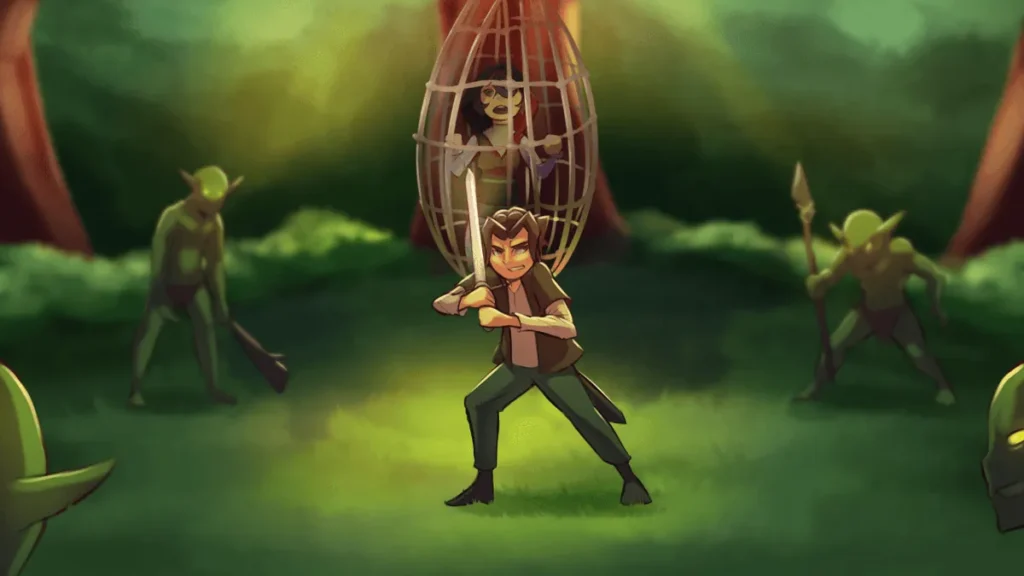






Randel Tales review
A deep dive into the mechanics, narrative choices, and artistic elements of this indie adventure title
Randel Tales stands out as an indie adventure game that combines engaging storytelling with interactive mechanics and character-driven narratives. This comprehensive guide explores what makes the game unique, from its stat system and skill-based challenges to its branching storylines and artistic presentation. Whether you’re curious about the game’s progression system, character relationships, or gameplay features, this article covers everything you need to know about this distinctive title. We’ll examine the mechanics that drive the experience, the narrative choices that shape your journey, and the elements that have resonated with players in the indie gaming community.
Core Gameplay Mechanics and Progression System
Let’s be honest, the first few hours with Randel Tales can feel bewildering. You’re thrown into a magical academy, handed a character sheet full of stats, and told to… live? There’s no flashing quest marker screaming “GO HERE TO GET STRONGER.” I spent my first in-game week trying to befriend every cat on campus, only to spectacularly fail my first practical exam. 😅 It was a humbling experience that taught me a valuable lesson: this isn’t a game about following a path, but about carving your own through a deep, interconnected system of choices and growth.
The Randel Tales gameplay mechanics are a refreshing, if demanding, blend of classic RPG systems and life-simulator freedom. Your progression isn’t tied to defeating monsters alone (though that helps), but to how you choose to spend each day. Want to be a bookish mage? Hit the library. A cunning warrior? Practice sword forms in the courtyard. The game quietly observes your actions and rewards you accordingly, weaving your daily habits directly into your character’s capabilities. This chapter is your guide to mastering that intricate dance between intention and outcome.
Understanding the Stats and Skill Allocation System
At the heart of your journey is the stat allocation system. Unlike games where you get a lump of points to spend every level, progression in Randel Tales is organic and constant. Your core attributes—like Strength, Insight, and Arcana—creep upward based on what you do. Reading a dense theory text might nudge your Arcana and Intelligence. Spending an afternoon chopping wood for the campus cook will slowly build Strength and Stamina.
The genius, and initially the biggest hurdle, is that the game rarely spells out the “best” activity for a stat. It communicates through subtle environmental cues and your own curiosity. A poster on a bulletin board might advertise a herbalism club; joining it is how you discover it develops Insight and a hidden “Botany” skill. This lack of hand-holding can be frustrating, but it makes every discovery feel earned. You’re not checking off a list; you’re genuinely exploring a world and growing from your experiences.
Earning these points is a daily grind in the best way. Key activities include:
- Studying Magic 📚: Attending lectures, completing assigned readings, and practicing incantations in designated areas. This is your primary path for magic-related stats and academic skills.
- Hunting & Combat 🗡️: Venturing into the Whispering Woods to tackle creatures. Success here boosts combat stats and contributes to the fantastic Monster Book system (more on that later).
- Social & Crafting Activities 🤝: Engaging with other students, helping faculty, or pursuing hobbies like alchemy or painting. These often develop less obvious but crucial skills for narrative and specific skill progression in Randel Tales.
The most important tip I can give you? Specialize early, but don’t ignore the basics. The game’s challenges often require a specific stat threshold, and spreading yourself too thin means you’ll hit walls. I focused purely on magical stats, only to find myself utterly powerless in a early story event that required a moderate Athletics check to navigate a crumbling bridge. I had to backtrack and spend a week doing physical training—a realistic, if punishing, consequence.
To help visualize the paths you can take, here’s a breakdown of the primary skill archetypes:
| Skill Type | Primary Development Methods | Progression Pace & Key Notes |
|---|---|---|
| Academic & Arcane | Attending lectures, library research, practicing spells in the Arcanum, joining debate clubs. | Slow but steady. Success unlocks deeper magical theory and dialogue options with professors. Essential for academy exams. |
| Physical & Combat | Sparring practice, manual labor jobs, hunting in the woods, fitness training. | Moderate pace, risk/reward. Hunting yields materials but can be dangerous with low stats. Directly tied to survivability. |
| Social & Subtle | Conversations, sharing meals, completing favors, student council events, artistic pursuits. | Variable and often hidden. Building relationships can unlock unique training or crucial aid later. Don’t underestimate it. |
| Practical & Survival | Herbalism, alchemy, cooking, monster research, foraging. | Starts slow, accelerates with investment. These skills provide powerful consumables and are key for solving environmental puzzles. |
Memory-Based Academy Tests and Skill Checks
Just when you’re settling into your routine, the academy reminds you it’s a place of learning. Periodically, you’ll face formal memory-based academy tests. These aren’t multiple-choice quizzes. The game will present you with a scenario, a snippet of lore discussed in a prior lecture, or a diagram of a magical glyph you should have seen in the library. You then need to select the correct application or answer from memory.
It’s brutal and brilliant. 🧠 It forces you to engage with the world as a student, not just a hero-in-waiting. Skimming through a book isn’t enough; you need to absorb its contents. I failed my first history test spectacularly because I’d spent all my time practicing fireballs instead of reading “The Founding Laws of the Five Towers.” The game didn’t punish me with a game over, but my low score altered how a certain history professor treated me, closing off a potential mentorship.
This philosophy extends to the wider Randel Tales skill checks. In the early game, these checks are frequent—can you lift that fallen log? Can you decipher the old runes on the wall? Can you persuade the groundskeeper to lend you his tools? They serve as constant feedback on your build. However, as you progress, an interesting thing happens: these explicit checks become rarer. This is because your developed capabilities begin to automatically shape the narrative. The game stops asking if you can do something; it assumes you can or cannot based on your proven skills.
For example, a high Stealth skill might mean you automatically overhear a conspiratorial conversation instead of the game presenting a “Sneak [50]” check to try. Your character’s identity, forged through your choices, becomes the primary driver of the plot. This transition from frequent dice rolls to a fluid, character-driven narrative is one of the most satisfying aspects of the game progression system.
Character Development Through Meaningful Choices
This brings us to the soul of the experience: character development choices. In Randel Tales, you aren’t just picking dialogue options from a “Good, Neutral, Sneaky” wheel. You are making lifestyle choices that have narrative weight. Choosing to help the overworked alchemist instead of attending a popular party isn’t just a +1 to Alchemy; it’s forging a relationship with a reclusive expert who may provide you with a rare antidote much later. Choosing to study a forbidden text in secret increases your power but risks your standing and sanity.
Every major and minor decision feeds into an internal reputation system that influences how NPCs react to you, what quests are offered, and ultimately, which of the game’s several endings you unlock. The character development choices you make in the first act genuinely determine which doors are open or sealed shut in the final act. There’s no “max out everything” endgame; your character is a product of their focused experiences, for better or worse.
This is tightly linked to the pacing. Randel Tales starts with a deliberate, almost slow pace. This is by design. 🐌➡️⚡ It’s giving you time to live in the world, to build routines and relationships before the larger plot kicks into high gear. The momentum builds organically from your actions. That low-level ghost you researched thoroughly in the Monster Book in Chapter 1? That knowledge might be the key to defeating a powerful spectral boss in Chapter 3. The game remembers everything.
Pro Tip for New Players: Your early stat allocation sets the tone for your entire run. Don’t try to be a master of all trades.
Here is a step-by-step guide for optimal early-game focus:
- Identify Your Fantasy: Before you even start, decide. Are you a cunning diplomat, a brute-force warrior, or a scholarly wizard? Pick one core archetype.
- Invest Heavily in 2-3 Core Stats: If you’re a mage, pour days into Arcana and Intelligence activities. Ignore everything else for the first in-game week to build a solid foundation.
- Find a “Support” Stat: Choose one secondary competence. A mage might focus on Insight for potion-making. A warrior might dabble in social skills to recruit allies. Develop this just enough to handle basic related challenges.
- Embrace the Monster Book Early: After any encounter, study your findings in the Book. Completing entries often grants permanent stat boosts or combat advantages against those foes. It’s one of the most powerful progression tools.
- Talk to Everyone After Key Events: The world reacts. A new rumor or side-activity often opens up after a main story beat. This is how you find new ways to train.
While the systems are deep, the UI could do a better job of tracking your progress toward unknown stat thresholds. A simple journal note hinting that “Your physical conditioning is still lacking for the advanced combat course,” would go a long way. This is my main wish for a UI improvement—a bit more feedback on your growth trajectory without spoiling the mystery.
Mastering the Randel Tales gameplay mechanics is a journey of attentive play. It asks for your patience and curiosity, rewarding you with a uniquely personal adventure where your character’s growth feels truly earned. By understanding the organic stat allocation system, respecting the memory-based academy tests, and making character development choices with conviction, you’ll find that the slow start blossoms into a rich, responsive, and deeply satisfying fantasy life where you are the author of your own tale.
Randel Tales represents a compelling example of indie game development that successfully blends engaging mechanics with meaningful storytelling. The game’s stat allocation system, while initially unclear, rewards players who invest time in understanding its nuances. The narrative design shines through its consequence-driven choices that genuinely impact character relationships and story outcomes, creating emotional investment in the journey. Despite some technical inconsistencies and communication gaps in the UI, the game’s artistic ambition and character-driven storytelling have earned appreciation from players seeking depth beyond surface-level gameplay. For those interested in indie adventures that prioritize narrative choice and character development, Randel Tales offers a unique experience that demonstrates the potential of independent game creators to craft memorable, emotionally resonant gaming experiences.