Strangers on Paper
Play Strangers on Paper
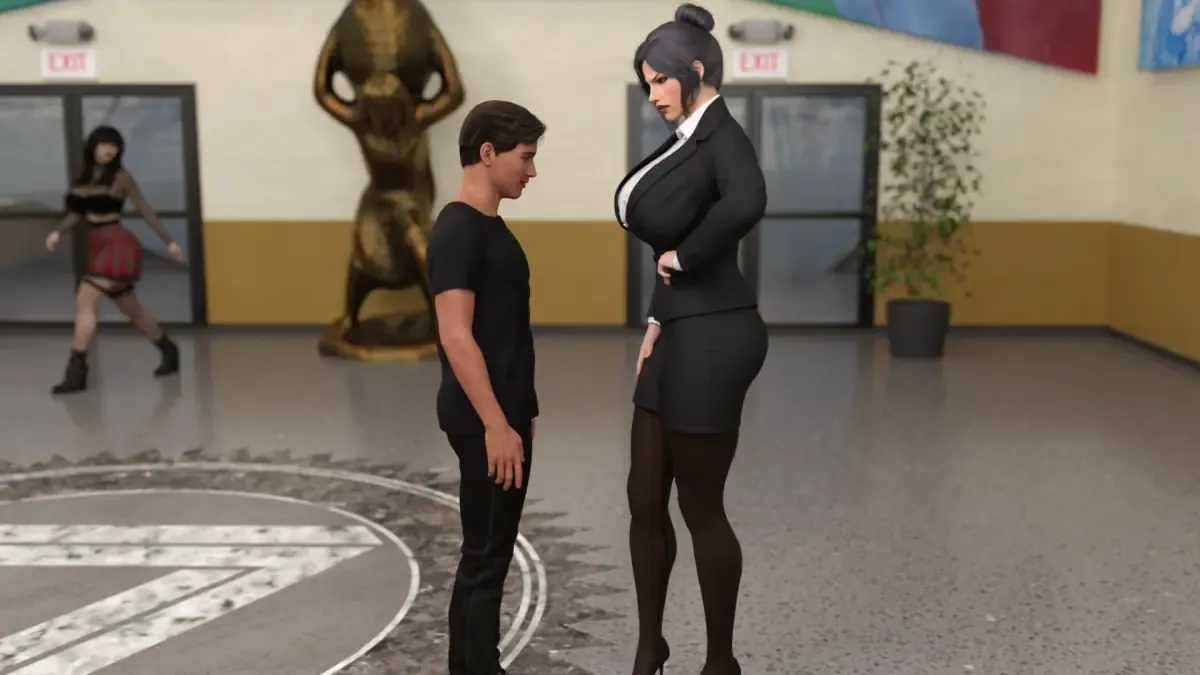
Strangers on Paper Screenshots









Strangers on Paper review
Explore how this visual novel redefines narrative branching and player agency
Strangers on Paper stands out as a narrative-driven visual novel that prioritizes meaningful player choices over linear storytelling. Developed by Gloomy Ghost Studio using the Renpy engine, this game invites players into a bar setting where they work as a writer seeking inspiration through human connections. What makes this experience compelling is how every decision—from which character to confide in to whether you attend a crucial moment—shapes your unique storyline. With multiple endings per character and branching narratives that reflect real consequences, Strangers on Paper demonstrates how interactive fiction can create deeply personal gaming experiences. Whether you’re drawn to character-driven drama, relationship-building mechanics, or stories that respect player agency, this game offers a fresh take on visual novel design.
Understanding the Core Gameplay and Narrative Structure
Have you ever played a story-driven game where your “choices” felt like they were just for show? 😒 You pick an option, the character says something slightly different, but the story chugs along the exact same predetermined track. It’s like being given a remote control that only changes the channel to the same show. That’s the feeling Strangers on Paper is designed to dismantle, piece by meaningful piece. This isn’t just another choice-based visual novel; it’s a living, breathing experiment in player agency in games, where every whispered secret, every avoided glance, and every kept promise writes a story that is uniquely—and irrevocably—yours. Forget what you know about visual novels; here, you are the author. ✍️
The magic of this branching narrative game is built on a simple, powerful promise: no two playthroughs are alike. This is the core of Strangers on Paper gameplay, a philosophy that transforms it from a story you watch into a world you shape. From the very first dialogue options, you’re not just selecting polite responses; you’re forging Daniel’s personality, his past, and his future. The game remembers everything. A flippant joke in Episode 2 might become a point of tension in Episode 5. A moment of vulnerability shared over a clean glass could unlock an entire character path that remains forever closed to a more guarded player.
This level of narrative depth is made possible by sophisticated interactive fiction mechanics working under the hood. Strangers on Paper uses the versatile Renpy game engine, not just to display text and images, but to track a complex web of over 50 unique story variables from the very first chapter. These variables are the DNA of your personal story. They don’t just flag a “good” or “bad” choice; they record attitudes, knowledge, trust levels, and secrets revealed. This system allows for a truly non-linear progression, where the story adapts to your behavior rather than forcing you down a set path.
How Choice-Based Mechanics Define Your Story
So, how does this work in practice? Let’s get practical. In most games, a dialogue choice might offer three flavors of the same sentiment: nice, neutral, sarcastic. In Strangers on Paper, your choices are actions that define character. Are you the type of bartender who gently nudges a patron to talk about their troubles, or one who respects silence with a fresh drink? Do you pry into the mysterious past of a newcomer, or do you focus on the practicalities of the present?
Pro Tip: Think of your choices not as “what do I want to say next?” but as “who is Daniel, and what does he value?” This mindset shift is key to engaging with the game’s deep interactive fiction mechanics.
The consequence of this design is weight. When you make a decision, you feel it. There’s no handy “previous choice” indicator or morality meter. You live with the outcomes, just like in real life. This creates an incredible sense of immersion and replayability. You’ll finish your first story and immediately wonder, “What if I had said that instead?” or “How would they have reacted if I knew about the letter?” This is the hallmark of a true visual novel with multiple endings—not just a different final screen, but a completely different emotional and narrative journey to get there.
The structure supports this beautifully. The game is planned for three main chapters, culminating in a final epilogue that ties your unique journey together. Your choices in the early chapters lay the foundation, the middle chapters build upon them, and the finale delivers a conclusion that feels both surprising and perfectly earned based on the person you’ve shaped Daniel to be.
The Bar Setting: Where Stories Unfold
Every great story needs a great stage, and Strangers on Paper delivers one of the most compelling ones in recent memory: The Bar. 🍸 This isn’t just a backdrop; it’s a central character, a confessional, and a sanctuary. As Daniel, you’re not just a passive customer; you’re the bartender, the observer, and often, the reluctant participant in the lives of your patrons.
The bar setting is genius for a branching narrative game. It provides a natural, believable reason for a stream of diverse characters to enter Daniel’s life. Some are regulars, their stories unfolding slowly over time. Others are one-night mysteries, leaving a lasting impact with a single conversation. Your role behind the bar gives you a unique vantage point. You can choose to listen intently, offer advice, serve a drink to change the subject, or even gently (or not so gently) steer the conversation. The Strangers on Paper gameplay loop of managing the bar—pouring drinks, cleaning glasses, handling payments—is seamlessly woven into the narrative flow. These small actions aren’t minigames; they’re pacing tools and opportunities for reflection, making you feel truly embedded in the world.
I remember in my first playthrough, I was so focused on impressing a particular character that I rushed through my bar duties. Later, I realized a key piece of gossip from a regular had floated right past me because I wasn’t paying attention. That gossip held a clue to another character’s motivations that I missed entirely. The bar is alive with stories; you just have to be willing to hear them.
Accessibility is also a key feature. The developers have smartly ensured that the first chapter contains no sexual content, making it perfect for streamers and content creators who want to share this narrative experience without platform restrictions. This allows the focus to remain squarely on the masterful character writing and choice-based visual novel mechanics from the get-go.
Character Relationships and Branching Paths
Here is where Strangers on Paper truly shines as a masterpiece of player agency in games. The characters you meet aren’t quest-givers with pre-set arcs; they are complex individuals whose relationships with you evolve—or devolve—based on a cumulative history of interactions. The game promises three distinct endings per core character, but this isn’t a simple “friend, lover, enemy” slider. These endings are the culmination of a specific relationship path you’ve nurtured or neglected over the entire story.
Let’s talk about that weighty consequence. Here’s a specific example of the game’s philosophy in action:
The Late-Night Call: In an early chapter, one character, clearly in distress, might call Daniel late at night. You have a choice: answer with empathy, answer but be short because you’re tired, or ignore the call entirely. Choosing to ignore it isn’t just a rude moment; the game’s logic interprets it as Daniel establishing a firm boundary—or displaying a lack of care. This single decision can fundamentally alter that character’s perception of you. It might lock you out of their most vulnerable, redemptive story arc later on, because that path requires a foundation of trust and availability that you chose not to build. You won’t get a notification saying “Redemption Arc Locked.” You’ll just find that character’s doors are now closed, and their story with you will conclude on a very different, perhaps more distant, note. 😮
This is the essence of branching narrative game design. The branches aren’t obvious; they grow organically from the soil of your decisions. You define the nature of every relationship. Is someone a confidant, a project, a potential romance, or just a familiar face? The game’s technical prowess supports this, with Chapter 1 alone featuring over 1,000 unique renders and 22,000+ words of dialogue to capture the nuances of these diverging paths, all accompanied by an immersive soundtrack of 18 original songs that adapt to the mood you’ve created.
To give you a clearer picture of the narrative web you’ll be navigating, here’s an overview of the core conflicts and the types of branching moments you might encounter:
| Character | Core Conflict / Vibe | Key Branching Moment (Example) |
|---|---|---|
| The Veteran | Haunted by a past mistake, seeking solace or a fresh start. | Choosing to ask probing questions about their service vs. respecting their clear desire not to talk about it. This sets the tone for a relationship based on therapy or normalcy. |
| The Artist | Struggling with creative burnout and personal identity. | Encouraging their reckless, “inspired” behavior vs. urging caution and stability. This can align you as a muse or a voice of reason. |
| The Executive | Running from a gilded cage, testing newfound freedom. | Treating them as just another customer vs. acknowledging the unusual circumstance of their presence. This decides if you see the person or the persona. |
Ultimately, Strangers on Paper respects you too much to offer empty choices. It understands that true player agency in games comes from impact, not just illusion. Every conversation in the bar, every decision made after hours, every small kindness or deliberate slight is a brushstroke on a canvas that only you will see completed. This is more than a visual novel with multiple endings; it’s a personal narrative machine powered by your empathy, your curiosity, and your mistakes. The strangers you meet are just that—strangers. What they become is entirely, beautifully, and sometimes heartbreakingly, up to you. 🥃
Strangers on Paper represents a thoughtful evolution in visual novel design, prioritizing meaningful player choice and emotional authenticity over conventional romance game tropes. The game’s strength lies in its commitment to consequence—decisions made early in your journey ripple through later chapters, creating a sense that your choices genuinely matter. With its compelling cast of characters dealing with real struggles, a branching narrative system that respects player agency, and a setting that feels intimate and grounded, the game offers something increasingly rare in interactive fiction: a story that adapts to who you are as a player. Whether you’re drawn to character-driven narratives, relationship-building mechanics, or games that challenge you to make difficult decisions without clear right answers, Strangers on Paper delivers a unique experience. The game’s availability across multiple platforms, regular updates from Gloomy Ghost Studio, and active community engagement suggest a project built with genuine care for both the story and its players. If you appreciate visual novels that treat their audience as intelligent participants rather than passive observers, this game deserves your attention.