Summer’s Gone
Play Summer’s Gone
Summer’s Gone Screenshots












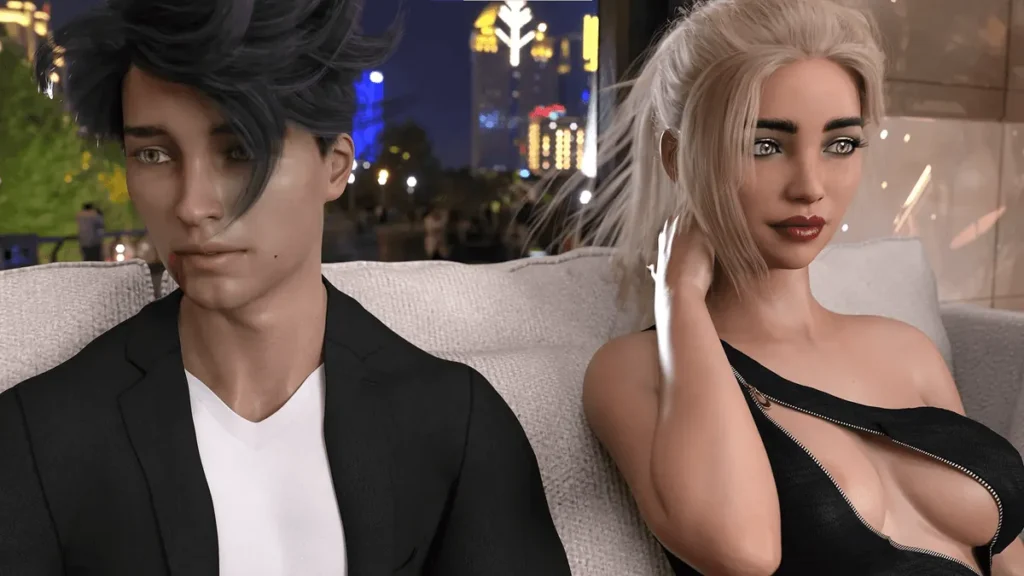
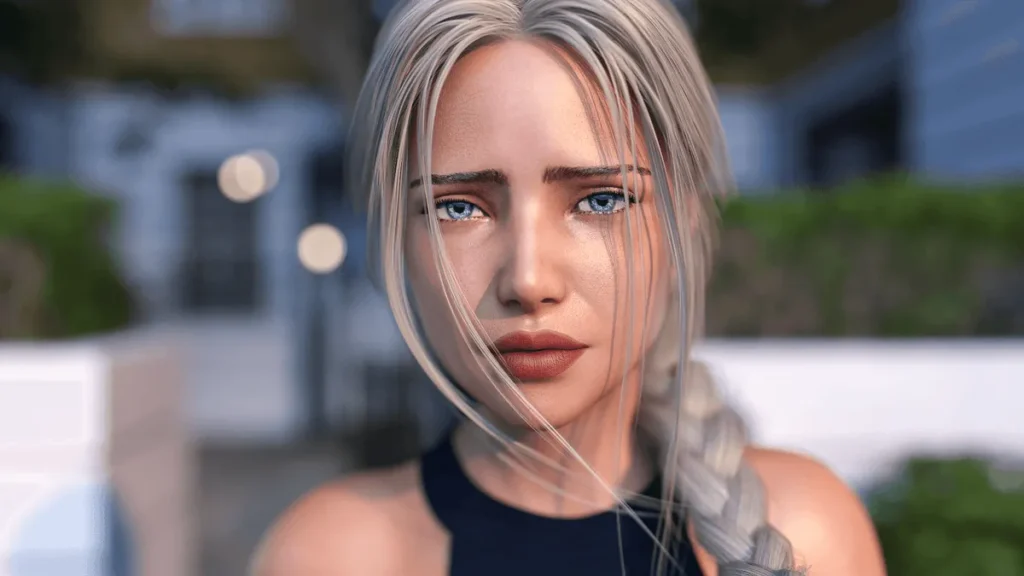

Summer’s Gone review
Exploring character development, mental health themes, and relationship-building in this acclaimed interactive narrative experience
Summer’s Gone stands out as a narrative-focused interactive visual novel that prioritizes storytelling and character development over conventional genre expectations. This game follows a young protagonist navigating college life while confronting trauma, depression, and the complexities of forming meaningful relationships. With its emphasis on slow-burn romance, deep character backstories, and exploration of mental health themes, Summer’s Gone has garnered significant attention from visual novel enthusiasts and story-driven game fans. Whether you’re curious about the gameplay mechanics, character relationships, or the game’s thematic depth, this guide explores what makes this interactive experience compelling and emotionally resonant.
Understanding Summer’s Gone: Story, Setting, and Core Themes
Remember that feeling when you finish a book or a movie, and the characters stay with you for days? They feel real, their struggles linger in your mind, and you find yourself wondering what they’re up to now. That’s the magic I chase in games, and it’s a magic that’s often promised but rarely delivered with such raw honesty as in Summer’s Gone visual novel. 🎭
Forget everything you think you know about the genre. If you’re expecting lighthearted flirting or quick romantic payoffs, you’re in for a profound, and sometimes challenging, surprise. This isn’t just a game; it’s an interactive visual novel story that prioritizes the messy, nonlinear journey of healing over simple escapism. It asks you to sit with discomfort, to invest in slow growth, and to understand that some scars shape us as much as our joys do.
Let’s pull up a chair in this digital therapy session/college drama and understand what makes this experience so uniquely compelling.
The Narrative Foundation: Plot and Protagonist
We meet our protagonist at his absolute lowest point. He’s not a charismatic hero or a blank slate waiting for your input. He’s a young man hollowed out by a trauma so severe it has erased the girl he loved, Summer, from his life and his memory. His first day at college isn’t a fresh start; it’s a gauntlet of anxiety, social paralysis, and the crushing weight of a past he can’t even fully recall. 🏫💔
This foundational choice—starting with a broken hero—is what sets the Summer’s Gone visual novel apart. You’re not guiding a power fantasy; you’re gently steering someone learning how to be a person again. The college setting becomes more than a backdrop for romance. It transforms into a landscape for mystery and self-discovery. Every social interaction is a mountain to climb, every memory a puzzle piece. The central question isn’t just “Who will he date?” but “Who is he now, and who can he become?”
The game brilliantly incorporates a choice-based interactive storytelling mechanic that goes beyond simple branching paths. Your decisions don’t just change which scene you see next; they actively shape the protagonist’s personality. Choose to be more open, and you might see him tentatively engage more. Choose isolation, and his walls grow thicker. This creates a deeply personal connection, as your version of the protagonist is uniquely yours.
But there’s a fascinating twist in the worldbuilding! Alongside the very real struggles of college life and therapy sessions, the story introduces a sci-fi tabletop game that the characters play. This isn’t just a fun diversion. It’s a narrative mirror, a safe space where conflicts are acted out, alliances are tested, and characters reveal facets of their personalities they hide in the real world. It enhances the lore and provides a creative, metaphorical layer to their relationships and inner battles.
“From the beginning, I wanted to create a story about healing. Not a straight line from sick to cured, but the stumbles, the setbacks, and the small, quiet victories that actually make up recovery. The romance, the mystery—they are part of that journey, not the destination.” — A reflection from the developer on the game’s core intention.
Mental Health and Healing as Central Themes
If there’s one phrase that defines the soul of Summer’s Gone, it’s “healing is not linear.” This game is one of the most authentic portrayals of mental health themes in games I’ve ever experienced. It doesn’t use depression or trauma as a dramatic plot device to be solved by love. Instead, it treats these issues with a respectful, unflinching gaze.
The narrative meticulously explores:
* The Numbness of Loss: The protagonist’s emotional flatness isn’t just sadness; it’s a protective shell. The game makes you feel the effort it takes to simply participate in a conversation.
* Insecurity and Shame: Many characters, not just the protagonist, grapple with deep-seated insecurities about their worth, their bodies, or their past mistakes. These aren’t trivial flaws but core parts of their identities they’re learning to manage.
* Living with Disability: The story incorporates characters dealing with physical disabilities in a way that feels integral to their character, not defining of it. It explores the daily realities and social perceptions with nuance.
This focus on depression and healing in games transforms the gameplay loop. “Success” isn’t measured in kisses or conquests, but in small breakthroughs: attending a study group without fleeing, sharing a genuine smile, or simply getting through a difficult day. The interactive visual novel story becomes a powerful tool for empathy, allowing you to walk in the shoes of someone rebuilding themselves from the ground up. It’s a brave and necessary approach in a medium that often simplifies complex emotional states.
To give you a clearer picture of the narrative’s scope, here’s a breakdown of its core thematic fabric:
| Theme Category | Specific Topics Explored | Narrative Role |
|---|---|---|
| Mental & Emotional Health | Trauma recovery, social anxiety, emotional numbness, self-worth struggles, coping mechanisms | The central driver of the protagonist’s journey and a key factor in relationship dynamics. |
| Relationship Dynamics | Slow-building trust, friendship as foundation, familial tensions, professional boundaries (student/coach) | Acts as the primary catalyst for change and healing for all characters involved. |
| Core Narrative Elements | Mystery of the past, self-discovery, academic pressure, the refuge of creative hobbies (tabletop game) | Provides structure, tension, and a realistic world for the character development to unfold within. |
Character-Driven Storytelling and Relationship Building
Here is where Summer’s Gone truly shines as a masterpiece of character-driven narrative games. Every major character is the protagonist of their own untold story, carrying burdens, dreams, and complexities that make them feel startlingly real. The potential love interests are not checkboxes on a list but fully realized people you get to know slowly, layer by layer.
This is the definition of a slow burn romance visual novel. Relationships develop at a glacial, human pace. A meaningful connection might be a single, well-earned hug after chapters of building tentative friendship. A heartfelt conversation holds more weight than a forced intimate scene. The game argues that trust is the ultimate form of intimacy, and it makes you work for every scrap of it. 🔥❄️
Let’s talk about a few of these incredible characters:
* Bella: Often the first person the protagonist meets, she’s more than just a first impression. She’s fiercely loyal but guarded, with a competitive streak and a family life that weighs heavily on her. Her path is about learning vulnerability.
* Nami: A childhood friend whose relationship with the protagonist is forever altered by his trauma. Their dynamic is a tangled web of shared history, unspoken feelings, and the struggle to reconnect with someone who feels like a stranger.
* Sasha: A brilliant example of the game’s depth. She’s a coach and a mature figure, introducing a complex dynamic that navigates professionalism, mentorship, and the possibility of something more, all while dealing with her own personal challenges.
* Mila & Others: From the energetic Mila to others you’ll discover, each character brings a distinct personality, history, and set of insecurities to the table. Their interactions with each other are just as important as their interactions with you, creating a living, breathing social circle.
Your choice-based interactive storytelling directly impacts these bonds. Will you encourage a friend to face a fear? Will you respect a boundary or push against it? The game remembers, and characters react accordingly, their affection or distrust growing organically over time. This makes every relationship feel earned and deeply personal.
In a landscape filled with instant gratification, Summer’s Gone visual novel is a brave, thoughtful, and emotionally resonant outlier. It’s a game that trusts its audience to appreciate the quiet drama of a healing heart and the profound beauty of a connection that’s built, not simply found. It’s more than a story you play; it’s an experience you feel, a journey through the winter of the soul with the fragile, persistent hope of a summer that might, one day, return. 🌱☀️
Summer’s Gone represents a significant evolution in visual novel storytelling, proving that narrative depth and character development can captivate audiences just as effectively as conventional genre tropes. By centering mental health themes, meaningful relationship building, and player agency, the game creates an emotionally resonant experience that lingers long after completion. The slow-burn romance approach, combined with top-tier visual presentation and thoughtful soundtrack design, establishes Summer’s Gone as a standout title for players seeking substance over spectacle. Whether you’re drawn to interactive storytelling, character-driven narratives, or games that tackle serious themes with nuance, Summer’s Gone offers a compelling journey through trauma, healing, and human connection. As the game continues to develop with future seasons, it promises to expand its world while maintaining the emotional authenticity that defines its appeal. For anyone interested in the future of visual novel gaming and story-driven experiences, Summer’s Gone deserves a place on your list.