Play After the Inferno
After the Inferno Screenshots
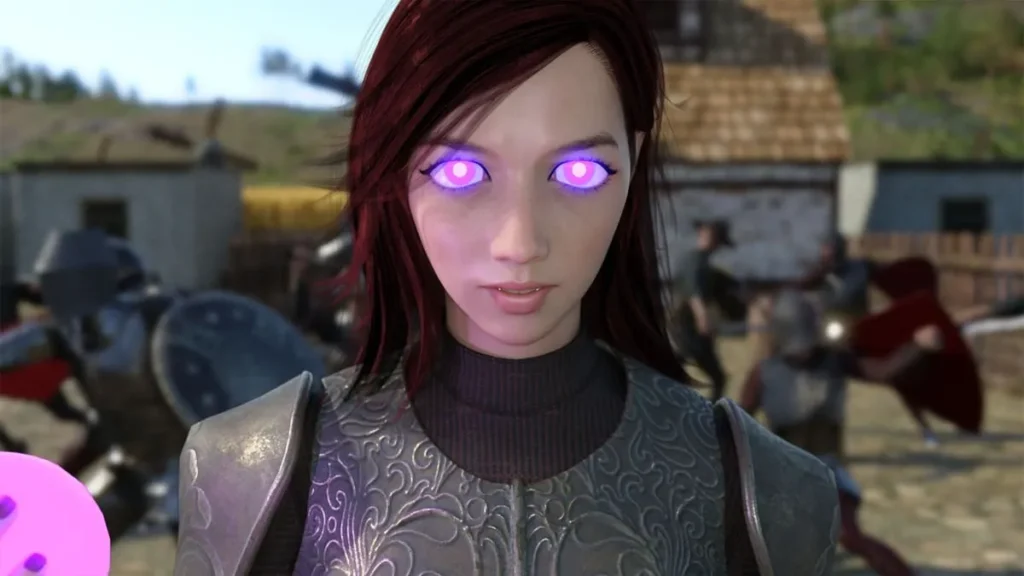
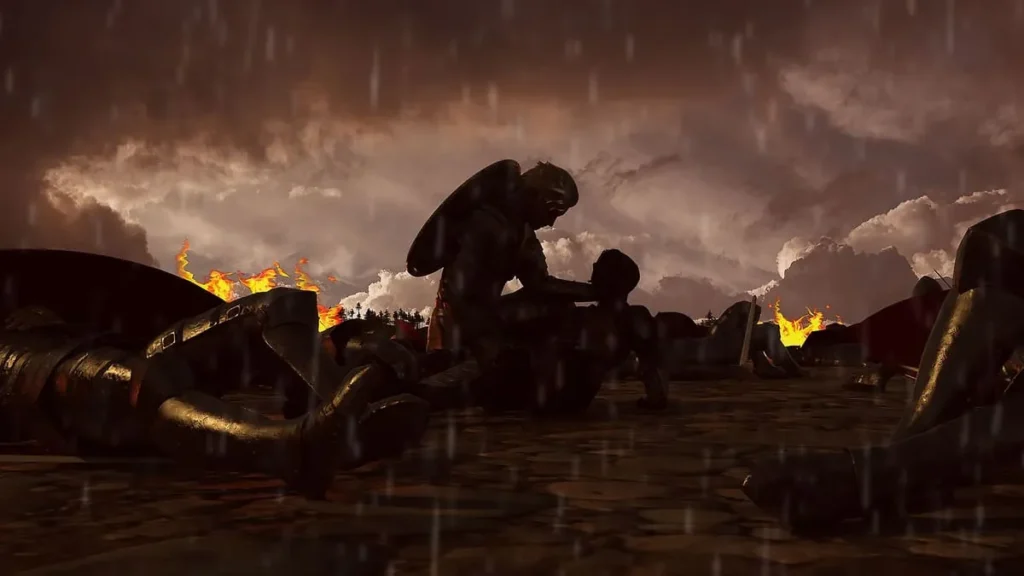

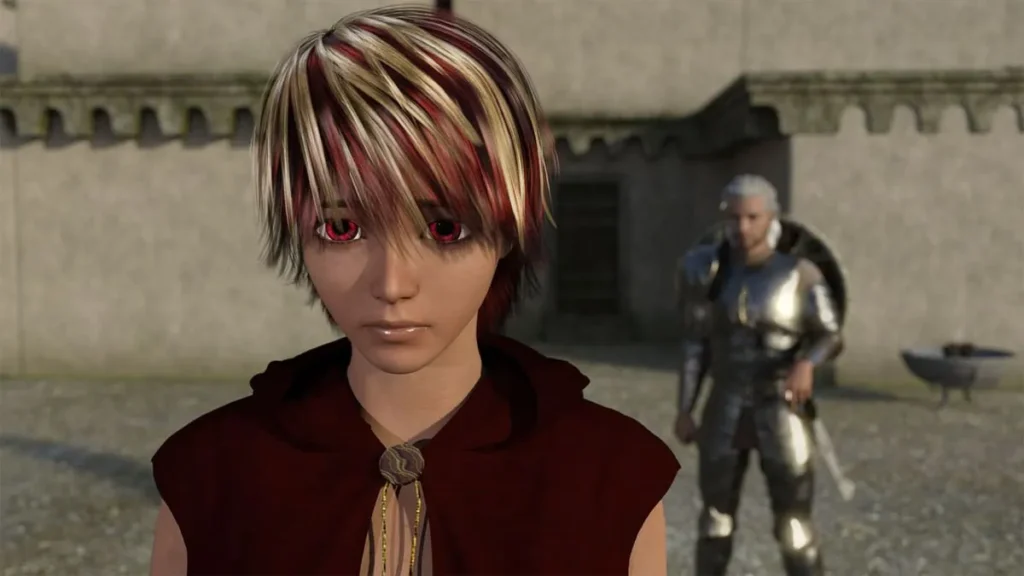
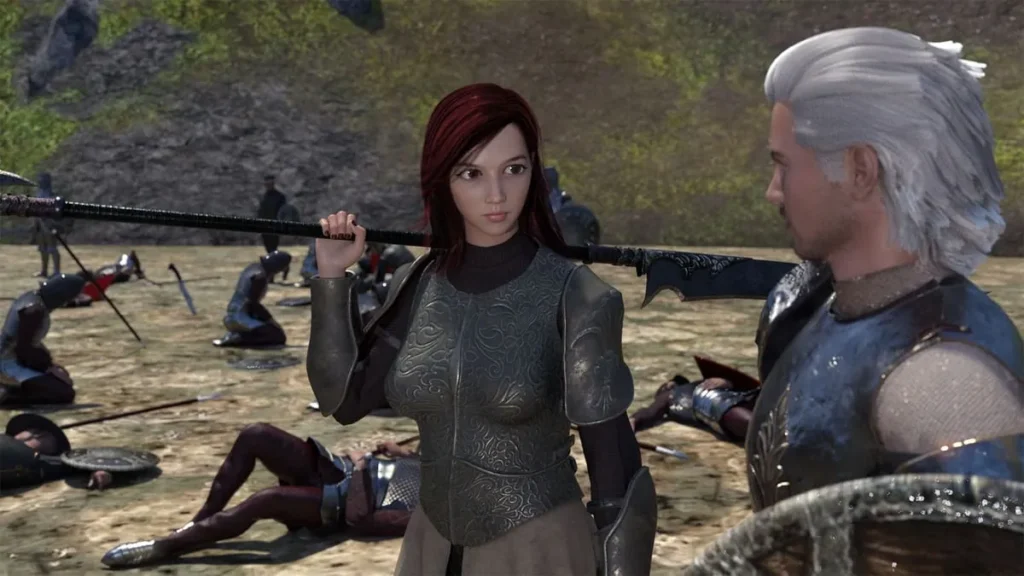


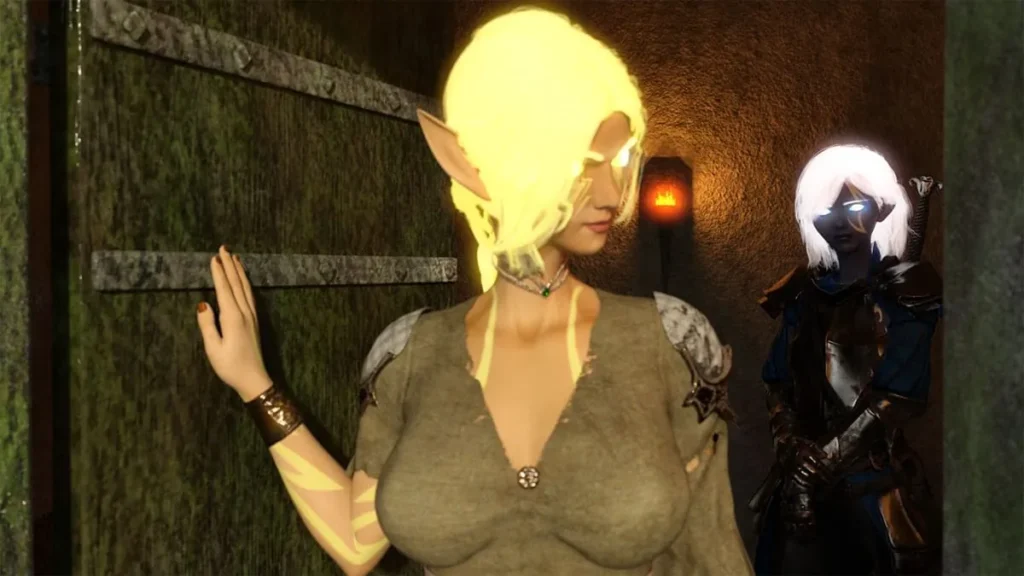
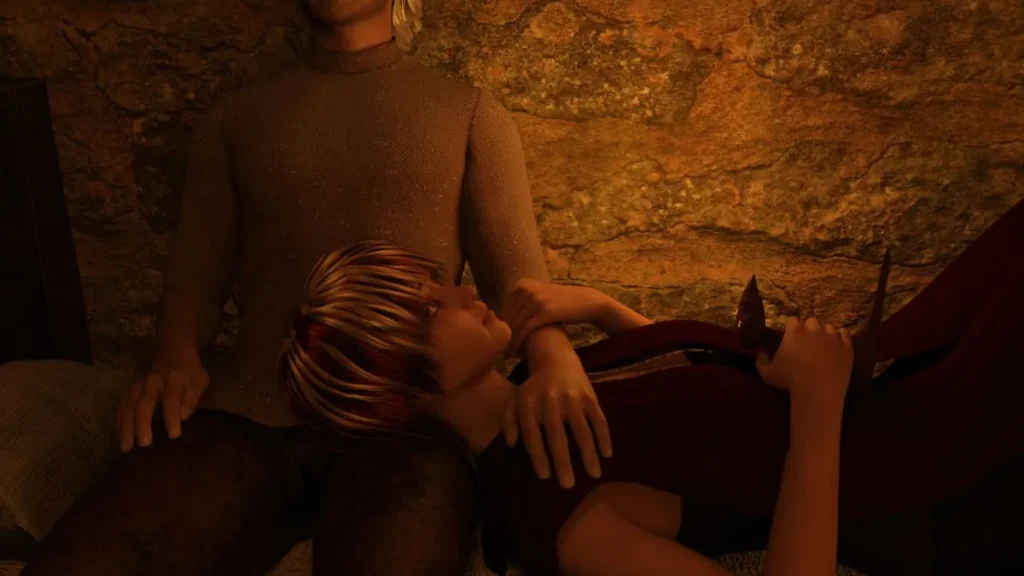

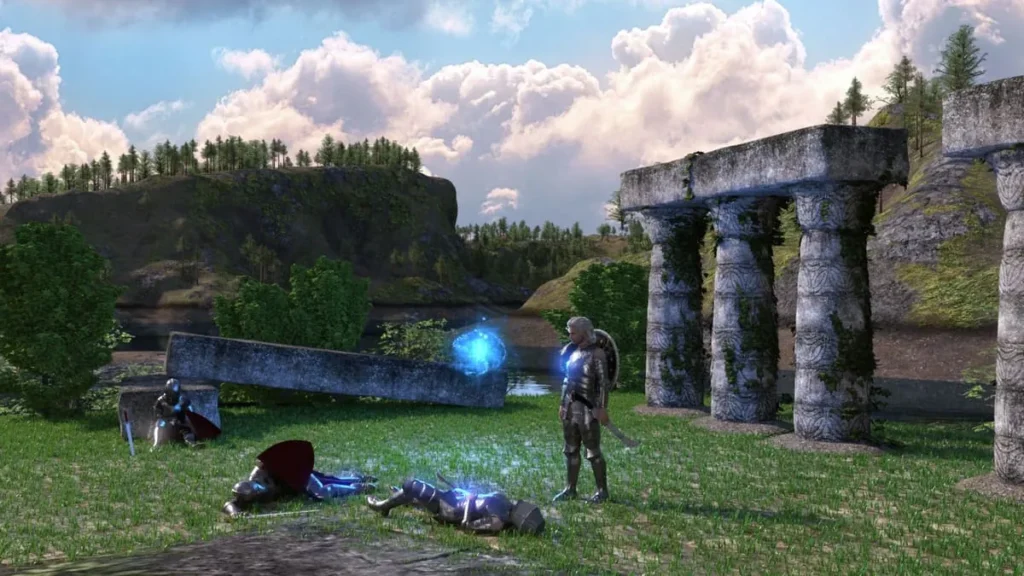
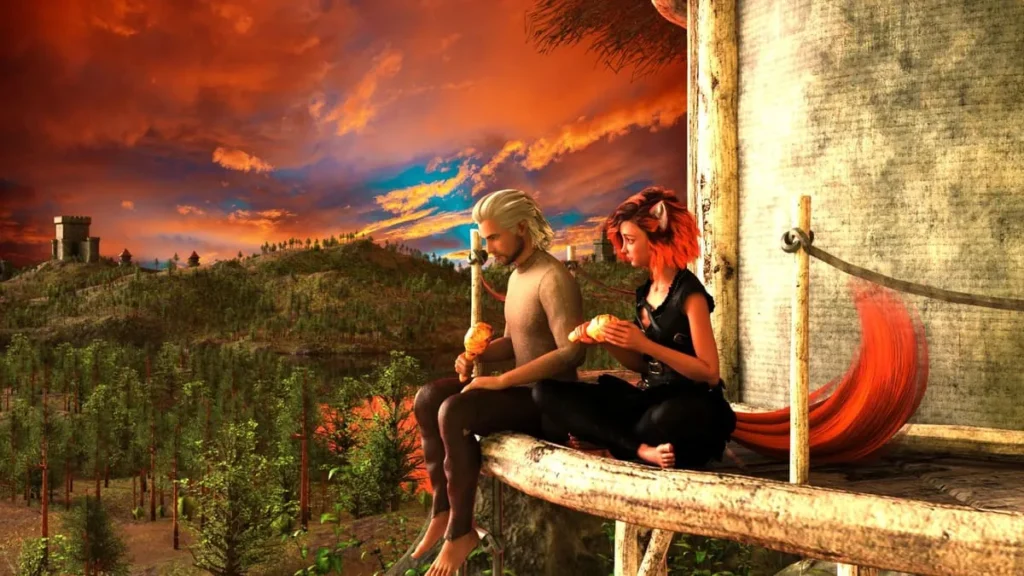
After the Inferno review
Explore the spicy visual novel’s story, choices, and steamy moments
Dive into After the Inferno, the captivating visual novel that’s blending deep storytelling with optional animated intimate scenes that keep players hooked. As Devran, you navigate a rich world post-crisis, making choices that shape romances and adventures. I remember my first playthrough—those unexpected plot twists had me saving constantly, eager to unlock every path. Whether you’re here for the narrative longevity or the visuals, this guide uncovers what makes After the Inferno stand out in adult gaming. Let’s explore its layers and how to maximize your experience.
What Makes After the Inferno a Must-Play Visual Novel?
It was about 2 AM when I realized my mistake. I’d booted up After the Inferno visual novel expecting a bit of stylish, spicy fun before bed—a simple story to unwind with. Three hours later, I was hunched over my desk, completely engrossed in a political debate about trade routes between fictional city-states, my original intention forgotten. That’s the magic trick this game pulls off. It welcomes you with the promise of sizzling animated scenes, but it’s the gripping world and the weight of your decisions that glue you to the screen. This After the Inferno review isn’t just about the heat; it’s about the heart and mind behind it. If you’re on the fence, let me tell you exactly what makes this a must-play experience.
Unpacking the Core Story and World-Building 🗺️
Forget shallow plots that exist just as a runway for romance. After the Inferno builds a continent, Karan, that feels lived-in, complex, and tantalizingly mysterious. You step into the worn boots of Devran After the Inferno, a former soldier turned caravan master trying to carve out a new life after a devastating war. This isn’t a power fantasy where you’re the chosen one from minute one. You’re a skilled survivor, yes, but you’re also navigating debt, managing a crew, and making connections in a world that’s deeply skeptical of outsiders.
The After the Inferno story depth comes from its layers. On the surface, it’s a personal tale of rebuilding. Dig deeper, and you’re unpacking centuries of religious conflict between the sun-worshipping Solarians and the moon-aligned Lunarians. You’re learning about strange magical ruins, ancient histories, and the delicate politics of city-states like the bustling port of Valenor or the stern, disciplined Stronghold. The game doesn’t info-dump this on you. You learn it by talking to your crew, by reading notices in taverns, and, most brilliantly, by using the in-game After the Inferno codex guide.
The Codex is your best friend. It’s a dynamic encyclopedia that fills up as you encounter people, places, and concepts. Stumbled upon a mention of the “God-King”? Check the Codex. Can’t remember the nuances of Lunar theology? Codex. This tool doesn’t just provide lore; it actively rewards curiosity and makes the world feel immense and real. Your journey with Devran becomes as much about understanding this fractured land as it is about surviving in it. The story’s longevity comes from this rich tapestry—you’re invested in the fate of Karan itself.
How Choices Impact Your Journey as Devran? ⚖️
Here’s where After the Inferno truly shines. Every dialogue choice, every major decision, feels like it carries real consequence. You’re not just picking a flirty option or a nice guy option. You’re deciding Devran’s core personality and, by extension, his destiny. Are you a pragmatic leader who prioritizes the safety and profit of the caravan above all else? A compassionate soul who helps others, even at a cost? Or a shrewd opportunist playing all sides?
I remember one playthrough where I tried to be a pure mercenary. A minor character, a shy cartographer named Elara, asked for help retrieving a family heirloom from a dangerous ruin. My “pragmatic” Devran said it was too risky, not worth the pay. I moved on. Hours later, in a completely different story branch, I faced a complex puzzle in an ancient temple. I was stuck. Then I realized: had I helped Elara, she would have joined my crew, and her specialized knowledge would have been the key to solving it. The game doesn’t signpost this with, “THIS ACTION WILL HAVE CONSEQUENCES.” It simply lets the world react to the Devran you choose to be.
Your choices directly shape your relationships, opening or closing entire story paths. Supporting one faction’s agenda will make another distrust you. How you handle conflicts within your own caravan determines who stays loyal and who might abandon you when things get tough. This system demands multiple playthroughs, and the generous save slot system encourages it. You can save right before a big decision and branch out, exploring how a single different word can alter your path. Playing as Devran After the Inferno is an exercise in role-playing, making you consider not just what you want to say, but who you want him to become.
Why the Animated Scenes Are Optional Yet Integral? 🔥
Let’s address the dragon in the room: the animated intimate scenes. They are beautifully crafted and undeniably a part of the game’s appeal. But here’s the crucial, brilliant design choice: every single one is optional. You can enjoy the complete, rich narrative of After the Inferno without ever engaging with a single steamy moment. There is no punishment, no locked content, and no narrative guilt for choosing to skip them. This philosophy respects the player’s preference, whether they’re here for the story, the visuals, or both.
These optional intimate scenes in After the Inferno are woven into the character arcs. They are presented as moments of genuine connection (or passionate release) that flow from the relationships you’ve built. They feel earned, not gratuitous. Furthermore, the game avoids a possessive morality system. Exploring connections with multiple characters is a valid choice, reflecting Devran’s life as a traveler forming bonds in different ports. The writing and the animations, while visually focused on the female form, maintain a sense of mutual passion and avoid crude objectification, which helps the game appeal to a broader audience who appreciates mature storytelling.
So, why call them integral if they’re optional? Because their presence matters. They represent the game’s commitment to presenting a full spectrum of adult relationships, from tender romance to lusty flings. They are a part of the world’s authenticity. By making them a choice, the game empowers you to define your own experience. Do you want a story-focused, plot-driven adventure? Or a deeply immersive journey that includes all facets of Devran’s life? The power is yours.
| Playstyle | Key Features | Time Investment | Best For |
|---|---|---|---|
| Story-Focused Play | Full main and side quests, deep lore exploration via the Codex, strategic caravan management, and relationship building through dialogue. | 20-30 hours per playthrough | Players who love world-building, political intrigue, and meaningful choices without an emphasis on visual romance scenes. |
| Full Visuals Play | Includes all elements of Story-Focused Play, plus unlocked animated scenes that add emotional and sensual depth to character relationships. | 25-35+ hours per playthrough | Players seeking total immersion who want to experience every layer of the narrative and character connections the game offers. |
The beauty is, you can switch between these mindsets using saves. My personal advice? On your first run, let the story guide you. If a romantic connection feels natural and compelling in the narrative, see where it leads. The scenes become a reward for your role-playing, not the objective.
Pro Tip: Save often and in new slots! The branching paths are vast. Having a save right before a major story junction lets you explore consequences without replaying dozens of hours.
To wrap up this After the Inferno review, what makes it a must-play is its respect for the player’s intelligence and agency. It offers the spark of titillation but fuels a lasting fire with a fantastic world, a compelling protagonist in Devran, and choices that truly resonate. It’s a visual novel that trusts you to find your own path through its beautifully rendered inferno.
- Save Before Every Major Choice: This is your golden ticket to exploring branches. The game’s auto-save is good, but manual saves are your true power.
- Talk to Everyone, Everywhere: Crew members in your caravan, patrons in taverns, even random guards. Lore and potential quests are hidden in plain sight.
- Consult the Codex Religiously: If you’re confused about a term or faction, pause and open it. It’s the best After the Inferno codex guide you’ll get.
- Don’t Stress Over Romance: Pursue the connections that feel right for your Devran. The game doesn’t force you into boxes, and you can have fulfilling stories without romance.
- Embrace the Caravan Life: Your crew isn’t just set dressing. Invest in them, manage their morale and skills, and they’ll directly impact your success in events and journeys.
Wrapping up your After the Inferno adventure, you’ve seen how its rich narrative, flexible choices, and optional steamy elements create endless replay value. From Devran’s pivotal decisions to unlocking the codex’s secrets, it’s a game that rewards exploration. My take? It’s perfect for anyone craving story with a thrill. Grab it now, start a new save, and chase those alternate paths—your next favorite moment awaits. What route will you take first?