Grandma’s House
Play Grandma’s House
Grandma’s House Screenshots






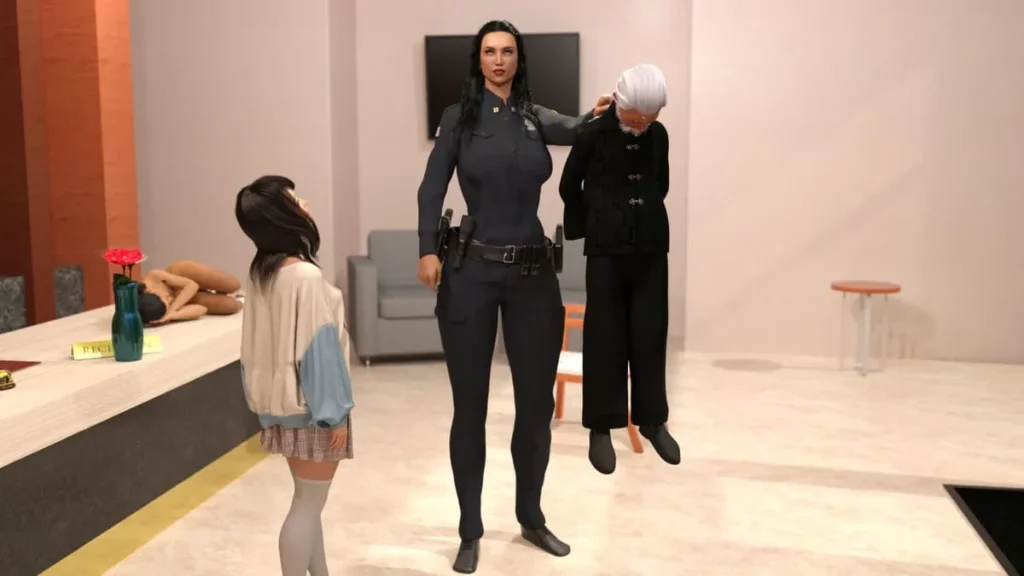

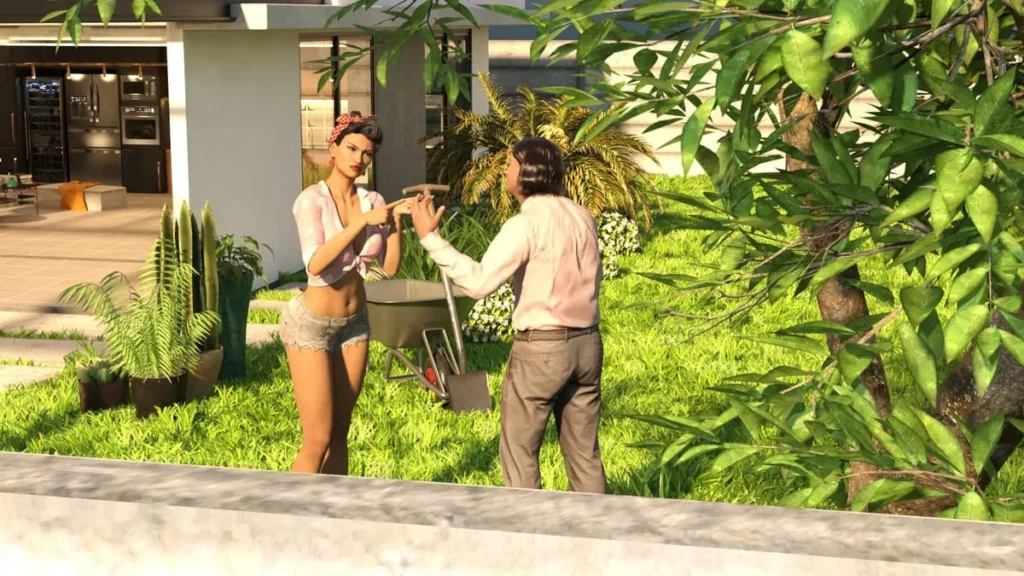








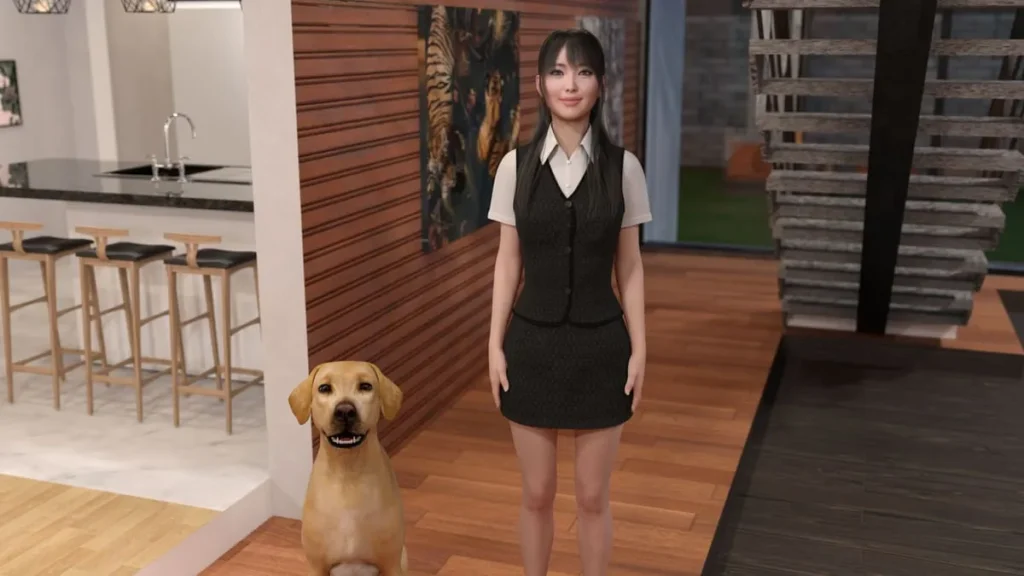



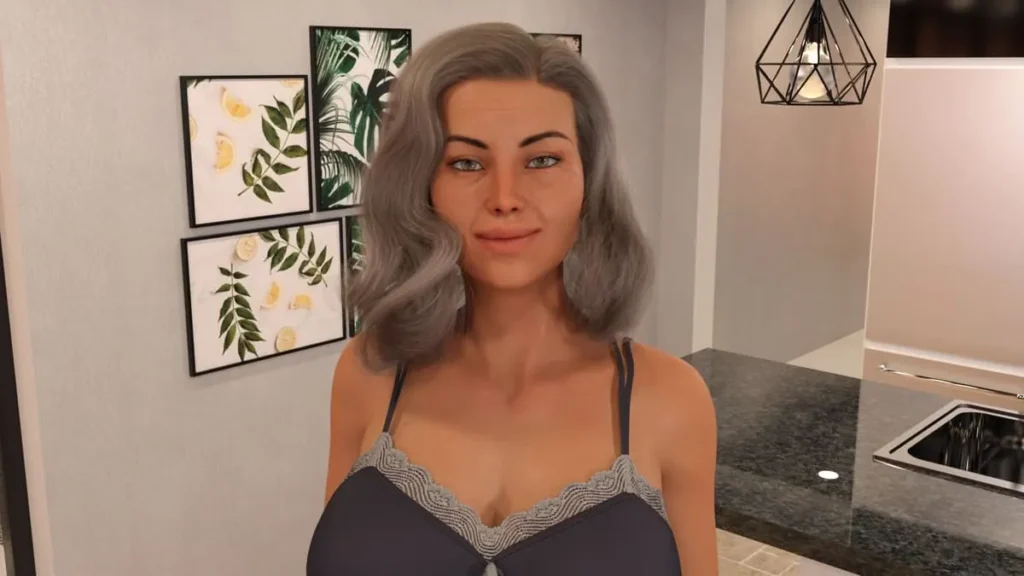



Grandma’s House review
Master Every Path in Moonbox’s Captivating Adventure
Ever stumbled upon a game that pulls you into a web of choices and steamy encounters like Grandma’s House? This Moonbox creation has hooked players with its intricate storylines and character-driven drama. From navigating family dynamics to unlocking hidden paths, I’ve spent hours exploring every nook. If you’re diving into this adult visual novel, you’re in for a treat—think decision trees that lead to wildly different outcomes. In this guide, I’ll share my personal playbook to help you conquer Grandma’s House, complete with tips from my own playthroughs that saved me from dead ends.
Unlocking Secrets in Grandma’s House
I still remember my first playthrough of Grandma’s House. I was charmed by the art, invested in the characters, and then… completely stuck. 🫠 I’d made a series of seemingly small decisions that led me to a frustrating standstill with Polly, while my relationship with Nana (Allie) felt distant and cold. I had no idea how to progress the story I was so intrigued by. That initial wall is what made me fall in love with the Grandma’s House gameplay; it’s a game that respects your intelligence and doesn’t hold your hand, making every discovery feel earned. Moonbox has crafted a truly captivating adventure where your Grandma’s House choices are the master key to every door.
This chapter is your guide out of those frustrating corners and toward the rich, branching narratives that make this game so special. We’ll break down the system, highlight the critical forks in the road, and share the Grandma’s House tips I wish I’d known from the start.
What Makes Grandma’s House Gameplay Addictive? 🎮
At its heart, the Grandma’s House gameplay loop is a powerful engine of “what if?” It’s not just about clicking through dialogue; it’s about living a slice-of-life story that splinters based on your personality, your curiosity, and your empathy. The game masterfully makes you care about the small moments, which in turn makes the larger Grandma’s House paths profoundly impactful.
The magic lies in the consequences. After moments of significant intimacy or confrontation, the game often introduces a “Realistic Rebellion” phase. Your character might feel awkward, overthink, or need space. This isn’t a bug—it’s brilliant design! It mirrors real human emotion and prevents the story from feeling like a simple checklist of scenes. You have to nurture relationships, not just max out a meter. Furthermore, the characters feel authentically flawed. Allie isn’t just a “grandma” trope; she’s a complex woman with a past, hobbies, and moods. Polly is more than the girl next door; she’s layered with her own ambitions and insecurities. Getting to know them is the real reward.
And let’s talk about progression teases! Moonbox excels at planting seeds for future content. Remember the whispers of “Zelda” back in version 0.28? These little hints create a living world that feels like it’s expanding beyond your current save file, fueling community theories and desperate hopes for the next update. Every new version, like 0.68, opens up fresh Grandma’s House paths and deepens existing ones, making revisiting the game a constant delight. This is the core of its addictive quality: a relatable, reactive world that changes with you.
Essential Choices for Key Story Paths? 🧭
Navigating the web of Grandma’s House choices can be daunting. One wrong turn can lock you out of content for hours. Based on community wisdom and my own trial-and-error (so much error! 😅), here are the foundational decisions that shape your journey. Think of this as your core Grandma’s House walkthrough strategy.
Your early interactions set the tone for the entire game. The best choices in Grandma’s House often involve balancing boldness with genuine care. Here are five essential forks in the road:
- The First Major Choice with Allie: Early on, you’ll have the option to either help Allie with a household task or pursue your own interests. Choosing to help builds crucial early rapport and unlocks gentle, heartfelt dialogue options later. Skipping it can make her seem more distant initially.
- Polly’s Initial Request: Polly will ask for a favor that involves a small risk. Agreeing to help her, even if it’s a bit mischievous, establishes a bond of shared secrecy and fun. Refusing paints you as overly cautious and can slow the development of that relationship path.
- How You Handle Discovery: If Allie or Polly discovers something private or embarrassing about you, your reaction is key. Opting for honesty and a touch of vulnerability (“I was curious” or “I’m sorry, I should have asked”) typically leads to deeper, more mature story developments. Denial or anger often triggers defensive shutdowns.
- The “Comfort vs. Distance” Decision: After an emotionally charged scene, you’ll frequently get a choice to offer physical or verbal comfort, or to give space. There’s no universal best choice here; you must read the character’s mood. A withdrawn Polly might need space, while a tearful Allie might need a hug. Getting this wrong is a prime cause for “Realistic Rebellion.”
- Investing in Shared Activities: When given the chance to suggest an activity—like working on the car, cooking, or exploring—prioritize the character’s known interests. Suggesting mechanics to Allie or creative projects to Polly shows you’re paying attention, unlocking unique scenes and conversations that flesh out the world.
Mastering these decision points steers you toward the narrative threads you find most compelling, whether that’s a slow-burn romantic path, a deep familial bond, or something uniquely your own.
How to Avoid Common Dead Ends in Grandma’s House? 🚧
Ah, the dreaded Grandma’s House dead ends. We’ve all been there. The music loops, the available actions dry up, and you’re left wandering the house with no way to trigger the next story beat. 😤 Based on my hard-earned experience, here are the three most common pitfalls and how to claw your way back.
Pitfall #1: Rushing Intimacy
I remember thinking, “I’ll just be super forward and see all the content quickly!” Big mistake. With Polly, I pushed for physical closeness before establishing enough emotional trust. The result? A massive rebellion where she’d avoid me for days in-game, stalling the plot entirely.
Recovery Strategy: If this happens, you must backtrack with patience. Load a save before the pushy choice. If you’re already stuck, focus on purely platonic, friendly interactions for several in-game days. Ask about her life, help with chores, and give her space. The game rewards patience and genuine connection over relentless pursuit.
Pitfall #2: Ignoring Allie’s World
It’s easy to get single-minded in your focus. In one playthrough, I was so fixated on Polly’s path that I treated Allie as just a background character. This not only made the house feel emptier but eventually locked me out of key story events that require Allie’s approval or involvement.
Recovery Strategy: Schedule time for Allie. Have morning coffee, ask about her past, offer to help in the garden. Her relationship is a separate, vital strand of the narrative web. A healthy bond with her can open doors (sometimes literally!) and provide crucial context for the game’s overarching story.
Pitfall #3: The One-Track Save File
This is the cardinal sin! Relying on a single save is asking for frustration. I hit a narrative wall with Polly until I realized my last “good” save was hours of gameplay prior.
The Ultimate Grandma’s House Tip: SAVE OFTEN, AND IN NEW SLOTS. Before any major decision, save. When you start a new day, save. Create a rolling set of 5-10 saves that you cycle through. This gives you the freedom to explore different Grandma’s House choices without losing dozens of hours of progress.
To visualize the impact, here’s a comparison of how handling key moments can lead to progress or a roadblock:
| Key Decision Point | Positive Choice / Outcome | Dead End Risk / Outcome |
|---|---|---|
| After an intimate moment with Polly | Give her space, then later ask about her feelings. Leads to deeper emotional conversation and plot progression. | Smother her with attention immediately. Triggers avoidance behavior, halting story development for multiple days. |
| Discovering Allie’s private project | Admit you saw it, apologize for intruding, offer help. Unlocks a unique shared activity and backstory. | Confront her aggressively or lie about it. Damages trust, potentially locking you out of her personal story arc. |
| Polly’s offer to skip town for a day | Agree, but first ensure Allie is okay alone or make a plan. Leads to a memorable trip and strengthened bond. | Agree recklessly without consideration. Can result in Allie being hurt or worried, creating negative household tension. |
The replay value of Grandma’s House is immense. Once you understand these systems, starting a new game isn’t a chore—it’s an invitation. You can pursue the path you didn’t take, craft a specific character personality, or hunt for the subtle foreshadowing you missed. Every choice matters, every relationship requires care, and every playthrough writes a new, personal story in Moonbox’s captivating adventure. Now go forth—your grandma’s house awaits, full of secrets ready to be unlocked. 🔑
Grandma’s House by Moonbox stands out with its deep choices, memorable characters like Allie and Polly, and endless replayability. From my countless hours, the real magic is in those pivotal decisions that twist the story your way. Whether you’re chasing every path or just exploring, save often and savor the buildup. Ready to dive back in? Grab the latest version, experiment with these tips, and share your wildest outcomes in the comments—let’s swap stories!