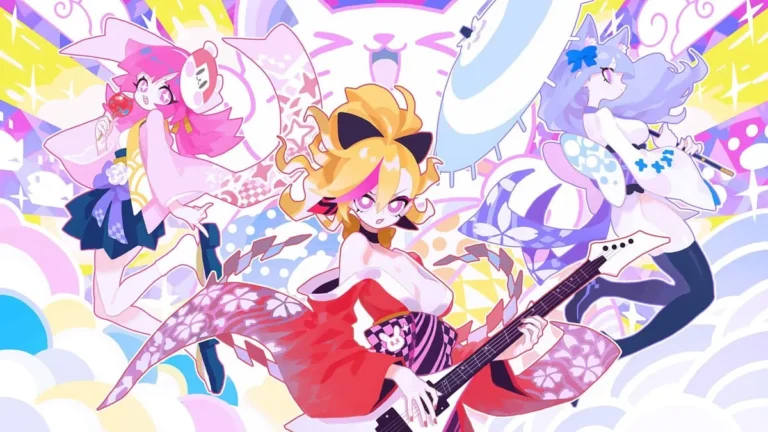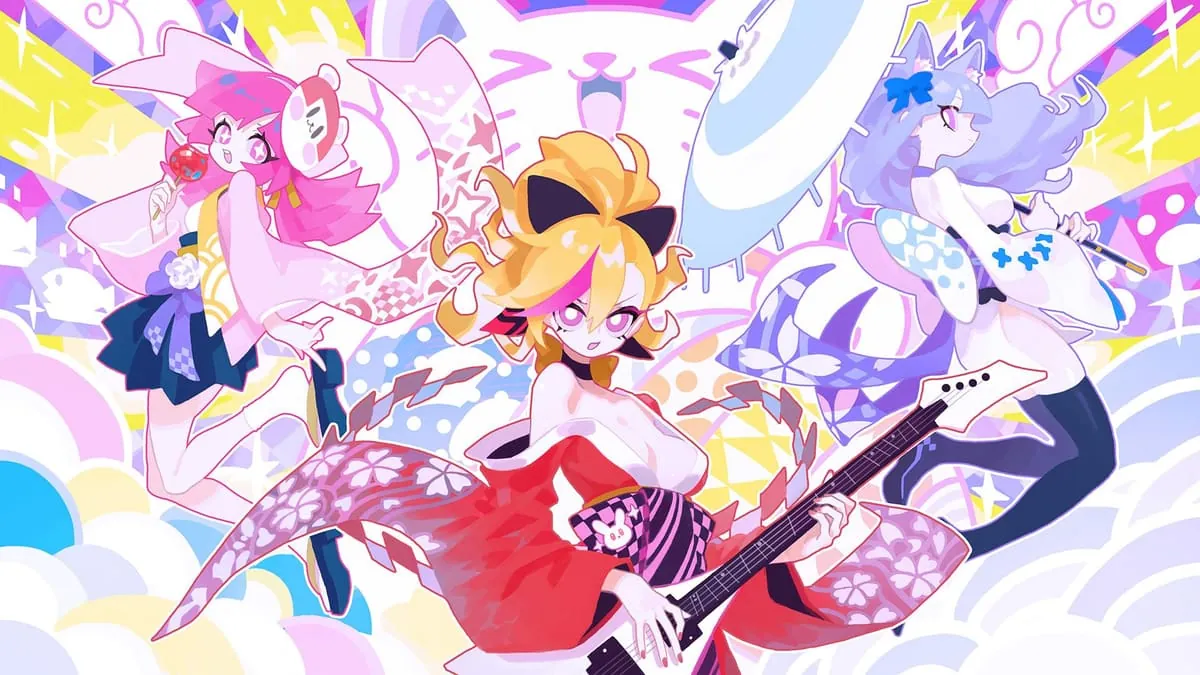
Muse Dash Screenshots
Muse Dash review
Dive into the Beat with Cute Heroines and Addictive Gameplay
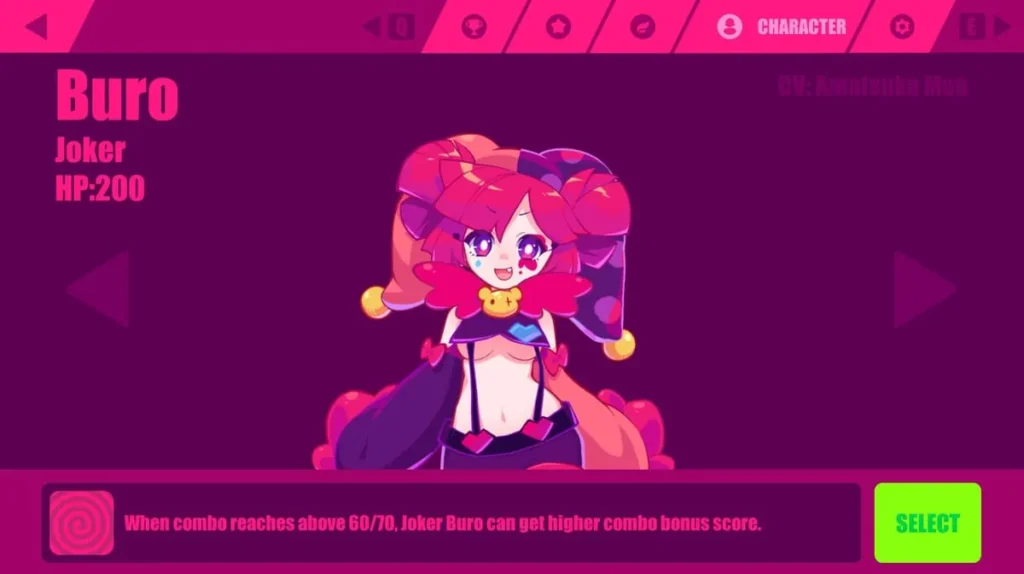
Ever felt the rush of dashing through levels while syncing perfectly to catchy beats? Muse Dash hooks you from the first song with its blend of rhythm action and parkour flair. Play as adorable heroines like Rin, Buro, or Marija, slashing enemies in time with J-pop, electro, and more. I remember my first playthrough—fingers flying, combos stacking, heart pounding. This guide uncovers everything from controls to mastery tips, helping you conquer stages and unlock secrets. Whether newbie or rhythm pro, get ready to feel the beat!
What Makes Muse Dash Gameplay So Addictive?
I remember my first run clearly. I tapped start, some impossibly energetic J-pop kicked in, and a wall of cute ghosts and flying cupcakes started streaming from the right side of the screen. My brain short-circuited. I was mashing buttons, missing everything, and my chosen heroine, Rin, was taking a comical beating. I failed spectacularly within seconds. But then I took a breath, looked at the Muse Dash controls, and realized the beautiful, brutal truth: everything in this rhythm parkour game is governed by just two actions. That moment of clarity—where overwhelming chaos became structured, musical challenge—is the exact hook that makes Muse Dash gameplay so deeply addictive. It’s not about complex inputs; it’s about mastering the simplicity of rhythm itself. 🎮
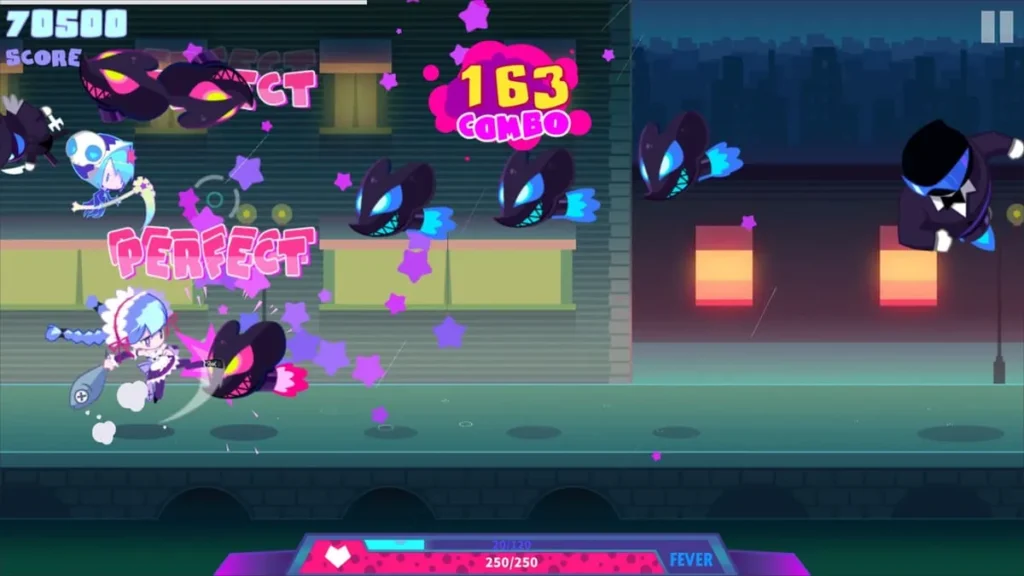
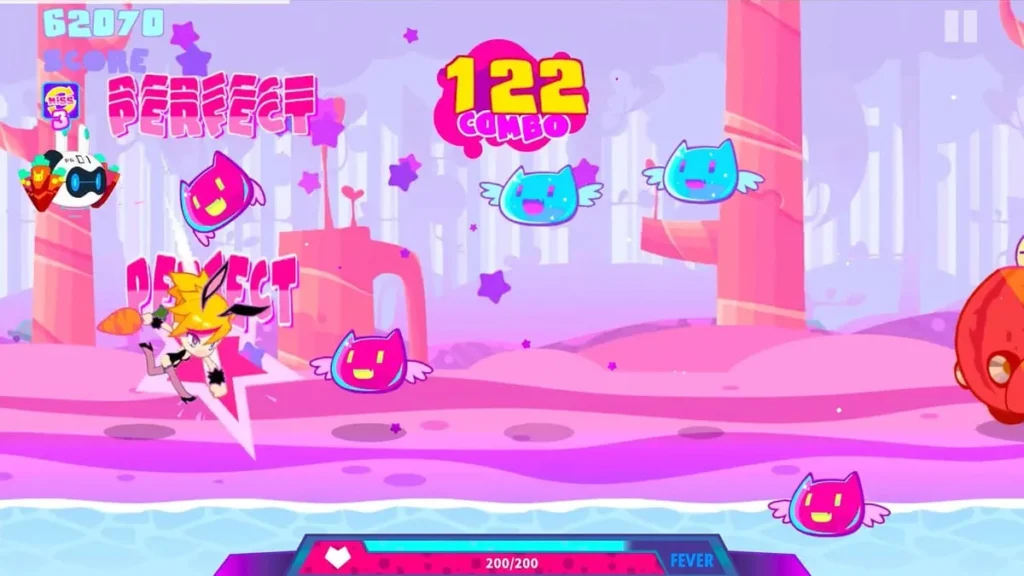
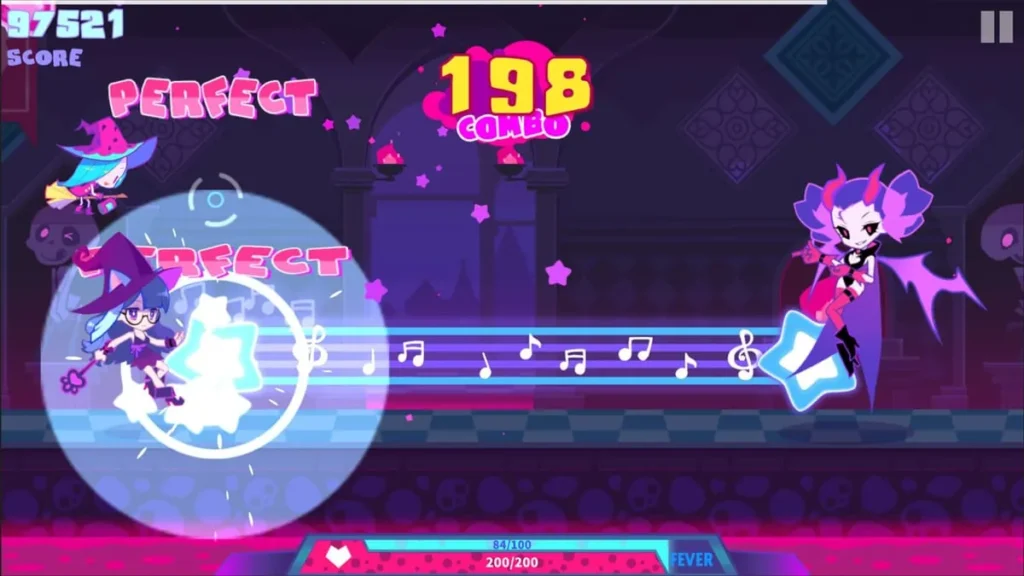
This isn’t just hitting notes on a static lane. How to play Muse Dash is about controlling a character sprinting endlessly to the right, through a vibrant, side-scrolling world. Enemies and obstacles flow toward you like a musical river, and you must interact with them in time with the beat. The genius lies in its elegant control scheme: one button for a ground attack (hitting enemies on the lower lane) and another for a jump or air attack (for enemies on the upper lane). Some foes require a double-tap, others a sustained hold, but the foundation never changes. This creates a perfect “easy to learn, hard to master” ecosystem. Your hands learn the two-button dance quickly, freeing your mind to fully sync with the music and the beautiful, punishing patterns. It’s pure, uncut rhythm action.
How Simple Controls Create Endless Challenges
Don’t let the cute aesthetics fool you. The core Muse Dash gameplay loop is built on a deceptively simple premise that branches into incredible depth. With just a “hit” and a “jump/hit” command, you’d think it might get repetitive. The opposite is true. This limitation is what makes the game so brilliant. Because you’re not managing a complex control scheme, your entire focus shifts to timing, pattern recognition, and musical flow.
The challenge evolves through the game’s brilliant mapping. Developers don’t just place notes on a beat; they create visual narratives and physical puzzles with the two lanes. You might have a rapid ground tap sequence while simultaneously needing to time a single, precise jump over a pit. Or you’ll encounter “double” enemies that require hitting both buttons at once for a satisfying slam. The real magic happens when you stop thinking about the buttons and start feeling the music. Your taps become drum hits, your jumps become melodic accents. This is the heart of how to play Muse Dash well—transitioning from conscious reaction to instinctual performance.
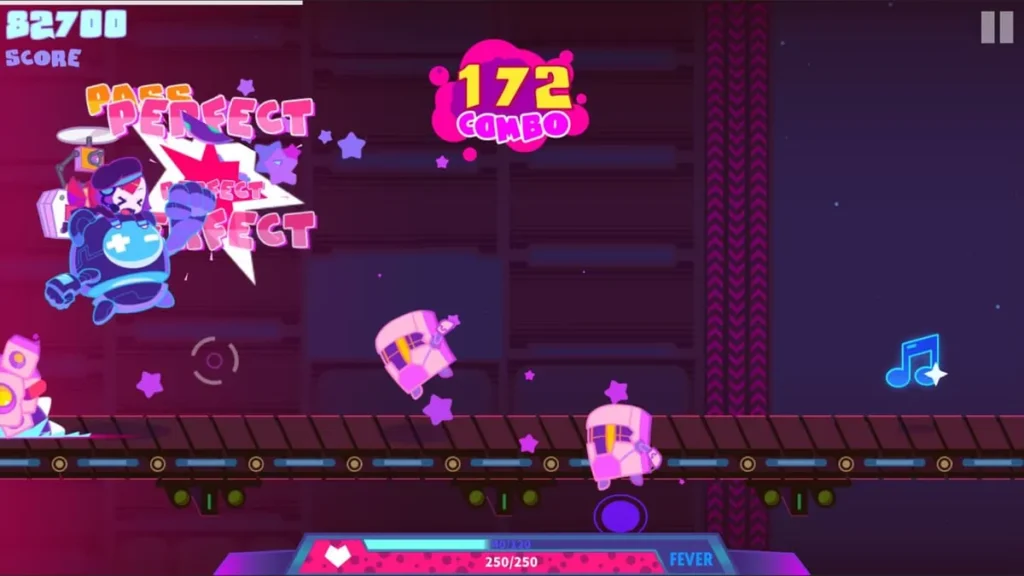
Building and maintaining Muse Dash combos is your ticket to glory (and high scores). Every enemy you hit accurately adds to your combo multiplier. Let it drop, and your score potential plummets. The pressure to keep that combo going, especially during dense, fast-paced sections, is incredibly thrilling. It turns every song into a high-stakes performance where a single mistimed tap can break your rhythm and your streak. This combo-driven scoring is what makes you replay a track dozens of times, chasing that perfect, full-combo run. You’re not just passing a level; you’re aiming for a flawless, rhythmic masterpiece. 🎵➡️✨
Unlocking Songs and Progression Secrets
One of the biggest pulls of the Muse Dash gameplay loop is the constant sense of reward. As you play, you earn two primary resources: EXP (for your player level) and “Chips” (the in-game currency). Every successful run fills your EXP bar a little more. Leveling up is your main path to unlocking the game’s massive library of over 85 songs, which span genres from thunderous dubstep and electrifying hardcore to soothing acoustic and viral anime-style J-pop.
The progression feels fantastic because it’s directly tied to your engagement. You don’t grind menus; you grind your favorite tracks to get better and to unlock new ones. My personal anecdote? I became obsessed with a certain boss track on Hard difficulty. I must have played it 30 times, slowly improving my accuracy from a C to an A, and finally to a full S rank. Each attempt not only made me better but also steadily filled my EXP bar. The moment I leveled up and saw a new, exciting song title appear in the library was pure joy. That direct feedback loop—practice leading to tangible unlocks—is incredibly motivating.
Your choice of Muse Dash difficulties dramatically shapes this progression speed and learning curve. Starting on Easy lets you absorb a song’s melody and basic patterns without punishment. Hard mode introduces more complex lane switching and faster sequences. Master difficulty is, as the name implies, for true rhythm warriors, with note density that will test your limits. Here’s a practical tip: use your favorite songs as practice tools. Play them on Easy to learn the rhythm, then gradually increase the difficulty. You’ll earn EXP and Chips faster on higher difficulties, making the grind for unlocks much quicker!
| Difficulty | Enemy Speed & Density | EXP & Chip Rewards | Best For |
|---|---|---|---|
| Easy | Slow, forgiving patterns. Great for learning song rhythm. | Lower base rewards. | Absolute beginners, relaxing play, learning new song melodies. |
| Hard | Faster, more complex patterns. The core challenge for most players. | Solid, standard rewards. The efficiency sweet spot. | Regular gameplay, farming unlocks, and developing true skill. |
| Master | Extremely high speed and note density. Demands precision and memorization. | Highest possible rewards per play. | Score chasers, combo perfectionists, and players seeking the ultimate test. |
Beyond songs, leveling up and spending Chips also unlocks a delightful array of costumes for the heroines and a variety of “Elfins” (pets). These aren’t just cosmetic! Each Elfin provides a unique gameplay effect, like automatically collecting some missed items, boosting your score multiplier, or making Fever mode easier to trigger. Mixing and matching characters, costumes, and Elfins adds a wonderful layer of personal strategy to your Muse Dash gameplay.
Fever Mode: Your Path to High Scores
If Muse Dash combos are the engine of your score, then Fever Mode is the nitro boost. 🚀 This mechanic is your key to achieving those jaw-dropping leaderboard ranks. As you play perfectly—hitting enemies accurately and not missing—you fill a special bar above your character. Once full, you can activate Fever Mode with a simultaneous press of both attack buttons.
Activating it transforms the game momentarily. Your character becomes invincible, every enemy hit awards double points, and the screen explodes with vibrant visual effects. The goal is to activate Fever during the most dense, note-heavy sections of a song to maximize your point haul. Timing is everything. Pop it during a quiet bridge and you waste its potential; nail it during a blistering guitar solo and your score will skyrocket.
Mastering Fever Mode is what separates good players from great ones. It requires strategic forethought and pattern knowledge. You need to know a song well enough to predict where its hardest section is, and then manage your combo carefully to ensure the Fever bar is full just in time. This adds an incredible layer of depth to replayability. You’re not just going for a full combo; you’re planning a tactical score assault. It turns every song into a dynamic puzzle where rhythm, memory, and strategy collide. This, in my opinion, is the pinnacle of Muse Dash gameplay—that moment when you execute a perfect Fever activation in the middle of a chaotic Master difficulty section and ride the wave to a new personal best. The feeling is unbeatable.
So, why is Muse Dash so addictive? It perfectly captures the “one more try” magic. The simple Muse Dash controls lower the barrier to entry, inviting anyone to play. The vibrant music and charming style create a world you want to be in. But beneath that, the escalating Muse Dash difficulties, the pursuit of perfect Muse Dash combos, and the strategic depth of systems like Fever Mode create a profound challenge that keeps you coming back. It’s a rhythm parkour game that respects your intelligence and rewards your dedication with an endless stream of upbeat music and satisfying gameplay. You start by just tapping along, and before you know it, you’re in a flow state, slicing through melodies and chasing that elusive, perfect run.
Personal Insight: The true secret to getting good at how to play Muse Dash isn’t just practice—it’s passionate practice. Find the songs that make you want to move, and grind those. Your connection to the music will naturally improve your timing and fun factor more than any generic tip.
FAQs: Diving Deeper into the Beat
What are Muse Dash chips used for?
Chips are your in-game currency, earned by playing any song. You spend them in the “Buy” menu to unlock new playable characters, alternate costumes for heroines, and helpful Elfins (pets). Each purchase allows for more customization and can introduce new gameplay strategies.
Do the pets (Elfins) actually change the gameplay?
Absolutely! Elfins are far more than just cute followers. Each one has a unique passive ability. For example, one might give you a small score multiplier, another might auto-collect some of the items you miss, and some even affect how quickly your Fever gauge fills. Experimenting with different Elfins is key to optimizing your playstyle for high scores or smoother progression.
What’s the best difficulty to start with in Muse Dash?
Without question, start on Easy. It allows you to enjoy the music, understand the basic lane mechanics, and build confidence without frustration. Once you can consistently get an ‘S’ or ‘A’ rank on Easy for a song, move up to Hard. Think of Easy as your training ground to learn the “language” of each track.
How do I activate Fever Mode consistently?
Fever Mode activates when you fill the pink bar under your character’s icon. You fill it by hitting enemies accurately and maintaining your combo. The key to consistent activation is accuracy over speed. Focus on hitting every note perfectly, especially during sections with lots of double enemies or hold notes, as these fill the gauge faster. Plan to have it full just before the most intense part of the song for maximum score impact!
Muse Dash captures hearts with its vibrant heroines, pulse-pounding tracks, and seamless rhythm-action flow. From nailing combos as Rin to unleashing Fever Mode chaos, every session builds skills and fun. My top tip? Dive into your favorite songs daily—you’ll master stages faster than you think. Grab it now, pick your beauty, and dash into the music world. What’s your high score? Share in comments and keep the beat alive!