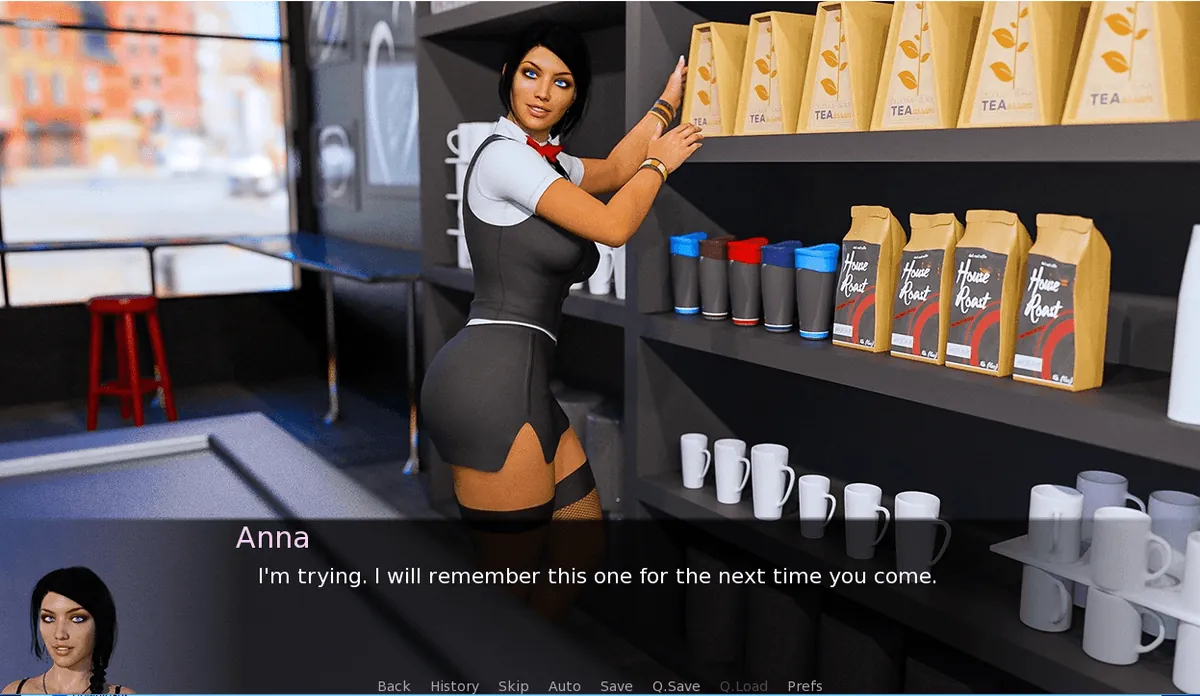
University of Problems
Play University of Problems
University of Problems Screenshots









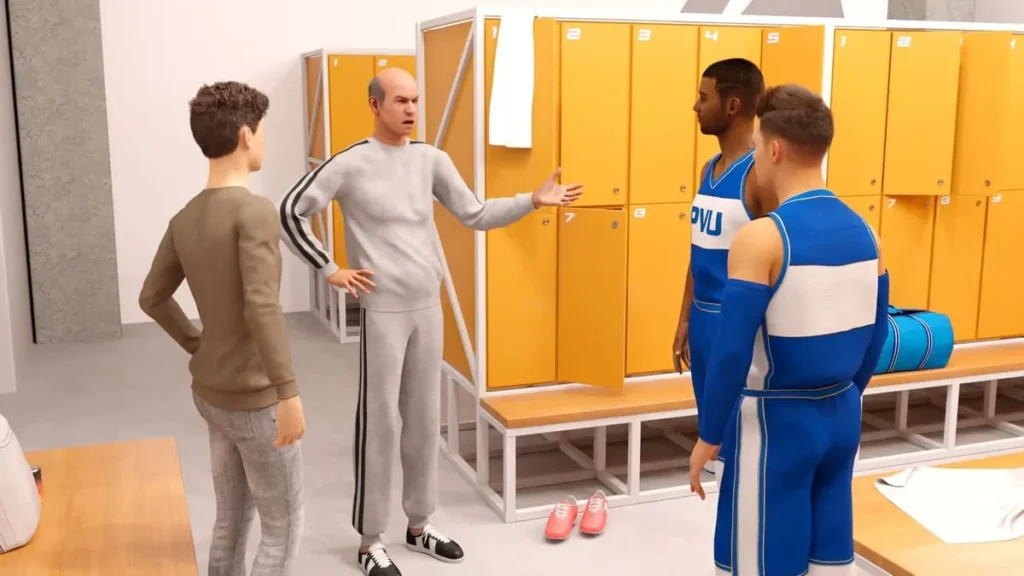




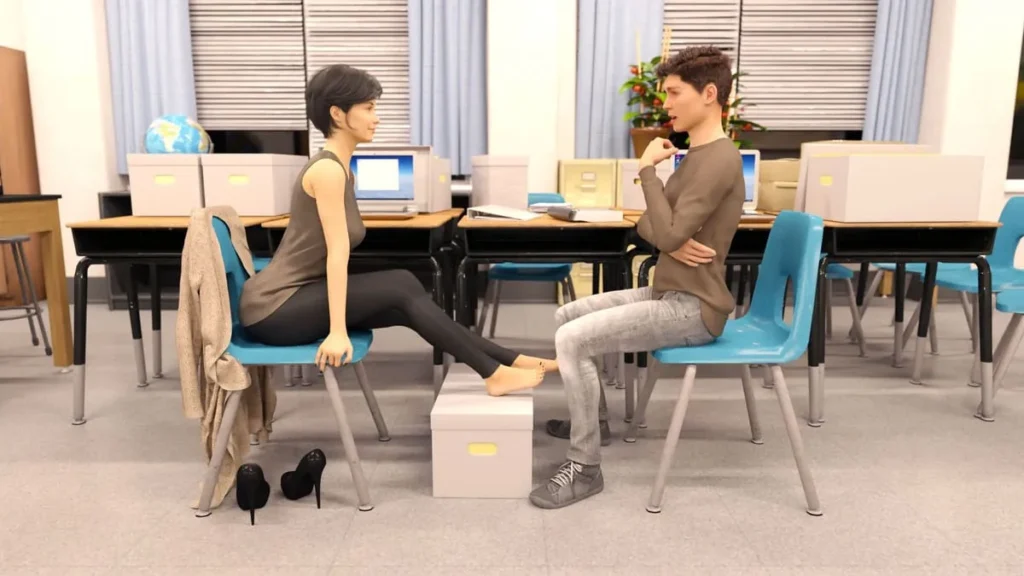

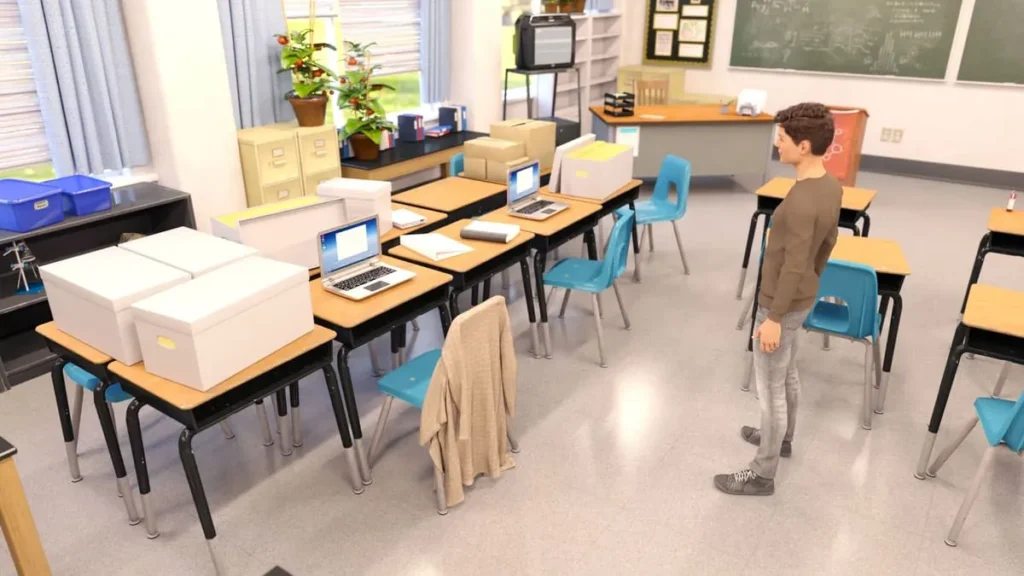

University of Problems review
Exploring gameplay mechanics, storytelling, and character dynamics in this acclaimed visual novel
University of Problems has emerged as a standout title in the adult visual novel genre, captivating players with its blend of meaningful storytelling and interactive gameplay. Developed by Dream Now, this game transcends typical adult entertainment by offering a sophisticated relationship simulator set in a modern university environment. With multiple branching narratives, diverse character interactions, and choice-driven progression, it delivers an experience where every decision feels consequential. Whether you’re curious about how the game balances academic goals with relationship building, or you want to understand what makes its narrative structure so compelling, this guide explores the mechanics, characters, and gameplay elements that have made University of Problems a compelling entry point for modern adult gaming.
Gameplay Mechanics and Player Experience
Forget everything you think you know about linear storytelling in games. Stepping into University of Problems isn’t about picking up a controller to passively watch a story unfold; it’s about grabbing the reins of a dynamic, messy, and incredibly personal college experience. 🎓 At its heart, the University of Problems gameplay mechanics are a masterclass in player agency, transforming you from an observer into the architect of your own destiny. This isn’t just reading a story—it’s living one, where every decision, from a flirty text to a missed class, ripples out to shape your world.
The core magic lies in its fusion of genres. It’s a relationship simulator game that demands the strategic thinking of a life sim, all wrapped in the compelling framework of a choice-driven visual novel. You’re not just managing stats; you’re managing a life, your reputation, and a web of complex relationships, all of which feed directly into the branching narrative paths the game is famous for. Let’s dive into the systems that make this virtual campus feel so thrillingly alive.
How Choice-Driven Narrative Works in University of Problems
The most common question I get from newcomers is, “Do my choices actually matter here?” My answer, born from countless playthroughs where I’ve been the campus hero, the academic ghost, and everything in between, is a resounding yes. 🙌 The interactive decision-making system in University of Problems is the engine of the entire experience, and it operates on a level of satisfying complexity that puts simple good/evil sliders to shame.
Instead of a morality meter, the game tracks your reputation, your knowledge, your charisma, and—most importantly—the unique relationship score you have with every major character. These aren’t abstract numbers; they’re direct reflections of your cumulative choices. Early on, I made the “nice guy” choice to help a classmate cheat on a quiz. It gave me a quick charisma boost with him, but later, when I needed a serious study partner for finals, he was useless, and my reputation with the more diligent students had tanked. The game remembered.
This creates a narrative where visual novel game mechanics are deeply intertwined with character development. Every dialogue option is a tool. You can be supportive, sarcastic, flirtatious, or blunt, and characters react in ways consistent with their established personalities. A joke that lands perfectly with the sarcastic art major might completely offend the shy bookworm in the library. The game doesn’t judge your choice as “right” or “wrong”; it judges it as “in-character for them,” which is far more interesting.
Pro Tip: Don’t try to please everyone on your first run. Embrace a personality—be the dedicated scholar, the social butterfly, the rebellious troublemaker—and let the branching narrative paths unfold naturally. The replay value is in seeing how different the story becomes when you wear a different mask. 🎭
Here are the key features that power this narrative freedom:
- A Dialogue System with Consequence: Choices often lock or unlock future dialogue trees and events. Siding with one character in a dispute might close off their rival’s route entirely.
- Character Memory: Characters reference past interactions. Forget a date? They’ll bring it up. Help them with a personal problem? It builds a foundation of trust for much later.
- Stat-Gated Content: Certain story beats and romantic advancements require minimum levels in skills like Intelligence or Charisma, ensuring your gameplay actions directly enable narrative progression.
- Immersive Campus Exploration: The dorm, classes, gym, and local town aren’t just backdrops. Finding characters in specific locations at certain times can trigger unique, unscripted interactions that feel organic.
Time Management and Relationship Building Systems
If the choices are the “what,” then the calendar and clock are the “when.” This is where University of Problems gameplay mechanics truly sing, adding a layer of delicious, stressful, and utterly rewarding strategy. Your week is a blank canvas, but you only have so much paint. 🕒 Will you spend your evening at the library boosting your grades, at the bar building social connections, or on a dedicated date to deepen a specific relationship?
This time management gameplay is the backbone of the relationship simulator game aspect. Every character has their own schedule—classes, work, hobbies. Want to run into the athletic student? Try the gym in the afternoon. Need to find the studious one? The library after dinner is a safe bet. This system forces you to be intentional. You can’t max out every stat and romance every character in one go. You must prioritize, and in doing so, you define who your protagonist truly is.
The relationship building is nuanced. It’s not just about giving gifts or saying the right thing (though that helps!). It’s about consistent investment and understanding needs. Some characters value emotional support, others respect academic prowess or shared interests. The game cleverly integrates its interactive decision-making system into this by presenting choices during these scheduled events that can majorly boost—or accidentally sabotage—your connection.
Let me give you a real case study from my own playthrough. I was focusing on two characters: Alex, a confident, party-loving senior, and Rachel, a more reserved, career-focused classmate.
| Time Slot | Choice for Alex’s Path | Choice for Rachel’s Path | Direct Outcome & Long-Term Effect |
|---|---|---|---|
| Wednesday Night | Attend the fraternity party with Alex. | Join Rachel’s study group at the library. | +Social Reputation with Alex’s crowd; Unlocked invitation to a weekend trip. -Intelligence stat; Rachel’s relationship cooled due to “irresponsibility.” |
| Saturday Afternoon | Go on the weekend trip (requires prior invitation). | Volunteer with Rachel at the campus fundraiser. | Major relationship milestone with Alex; gained unique “Adventurous” trait. Missed the trip, but gained +Charisma and a deep, trusting conversation with Rachel, unlocking her personal storyline. |
This table shows a clear fork in the road. Neither choice is “bad,” but each actively shapes a different story and closes off opportunities. This is the essence of the choice-driven visual novel experience in University of Problems.
Understanding the Cause-and-Effect Design Philosophy
The true genius of University of Problems is how it hides its complex wiring behind a seamless, believable experience. The cause-and-effect design philosophy means there are very few “game over” screens, but there are countless “oh, that’s why that happened” moments. The narrative isn’t branching like a simple tree with a few big limbs; it’s more like a sprawling, interconnected root system. 🌱
This design creates phenomenal replayability value. On a second playthrough, armed with meta-knowledge, you can engineer entirely different scenarios. That character who seemed hostile before? Maybe they were just reacting to a choice you made in Week 2 that slighted their best friend. The game world is a cohesive ecosystem, not a series of isolated events.
The visual novel game mechanics serve this philosophy by often presenting you with morally grey choices. There’s rarely a purely “good” option. Is it better to tell a harsh truth that damages a relationship but fosters growth, or a comforting lie that keeps things smooth but is ultimately hollow? The game records your pattern of choices, and this subtly influences how other characters perceive and describe you to one another, shaping your campus-wide reputation.
Example: The Ripple Effect of a Single Choice
Let’s walk through a concrete scenario. Early in the game, you find a lost wallet.
* Choice A (Cause): You return it directly to the owner, a student named Mark, with everything inside.
* Effect 1: Mark is grateful, and your relationship with him starts positively.
* Effect 2: A week later, Mark vouches for you when you’re trying to join a prestigious campus club he’s in.
* Effect 3: Because you’re in the club, you have scheduled meetings on Thursday nights.
* Effect 4: This conflicts with the weekly art workshop another character, Chloe, attends. Developing a close relationship with her now requires rescheduling your entire week, creating a new strategic challenge.
- Choice B (Cause): You keep the cash and anonymously drop the wallet in a lost-and-found.
- Effect 1: You get a quick cash boost for social activities.
- Effect 2: Mark remains a neutral stranger.
- Effect 3: You have no connection to his club, leaving that branching narrative path closed.
- Effect 4: Your Thursday nights are free, making Chloe’s art workshop easily accessible from the start, potentially accelerating that relationship.
This cascading effect is everywhere. The time management gameplay decisions affect your stats, which unlock narrative options, which alter relationships, which open or close future time-slots for events. It’s an elegant, interlocking system that makes you feel the weight of every hour and every word.
Ultimately, the University of Problems gameplay mechanics succeed because they dissolve the barrier between player and protagonist. You’re not guiding a character through college; you are the student, making tough calls, juggling priorities, and dealing with the beautiful, chaotic consequences. It’s a relationship simulator game that simulates the most important relationship of all: the one between you and the life you choose to build, one imperfect, unforgettable decision at a time. ✨
University of Problems stands out as a sophisticated entry point into modern adult gaming, proving that the genre can deliver both meaningful storytelling and engaging interactive experiences. The game’s strength lies in its commitment to player agency—every choice genuinely matters, creating a personalized college experience that feels unique to each player. From its diverse character roster to its immersive campus setting, the game successfully balances academic simulation, relationship building, and adult content into a cohesive narrative experience. The cause-and-effect design philosophy ensures high replayability, encouraging players to explore different paths and discover alternative endings. Whether you’re interested in the gameplay mechanics, character dynamics, or narrative depth, University of Problems offers a compelling experience that respects player intelligence while delivering entertainment. For those curious about what modern adult gaming can achieve when storytelling takes priority, this title demonstrates the potential of the visual novel format.