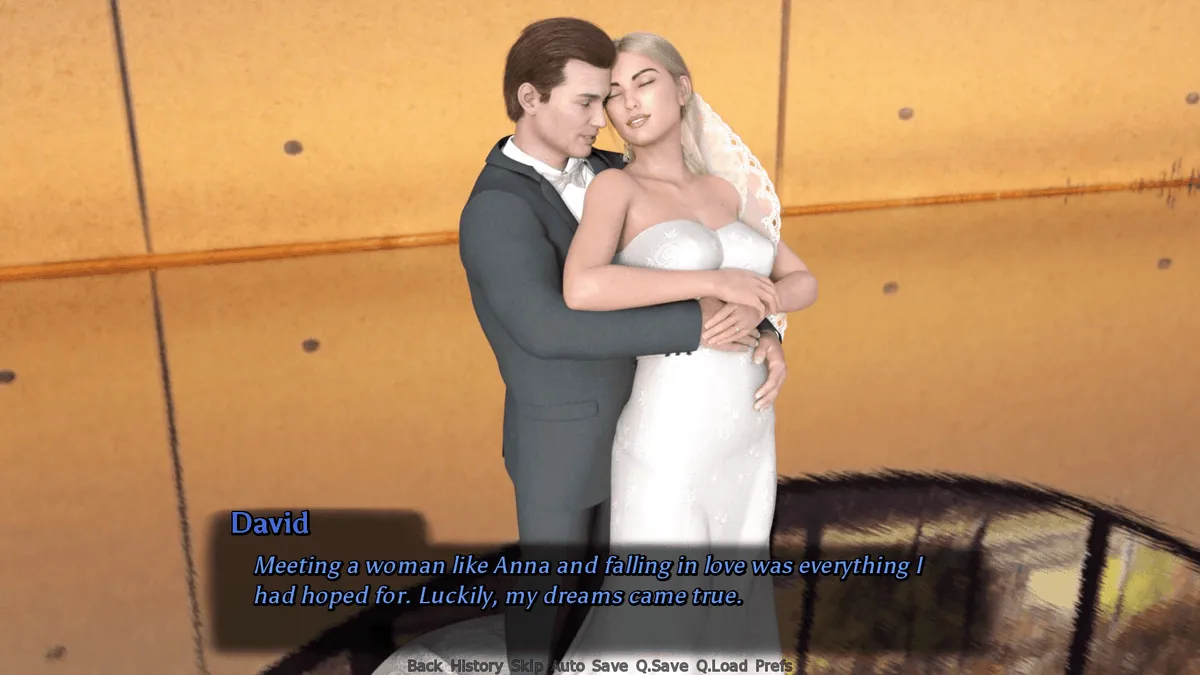
A Perfect Marriage
Play A Perfect Marriage
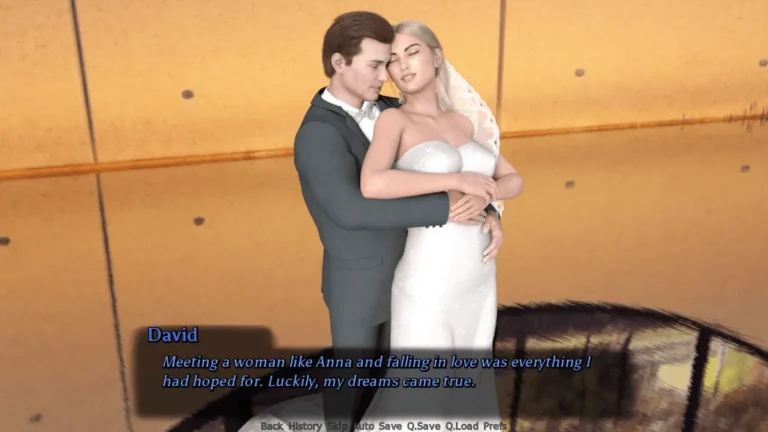
A Perfect Marriage Screenshots



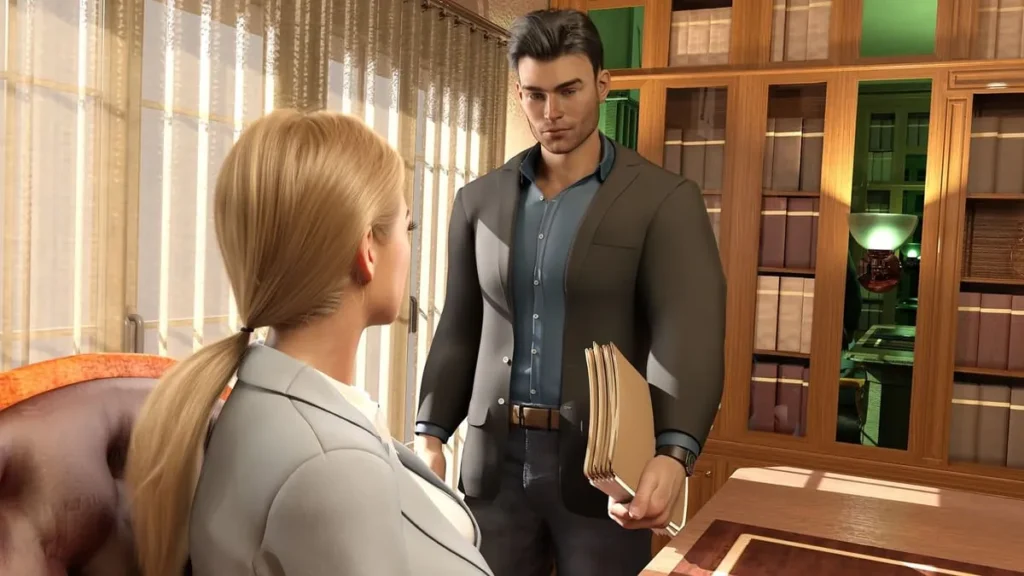

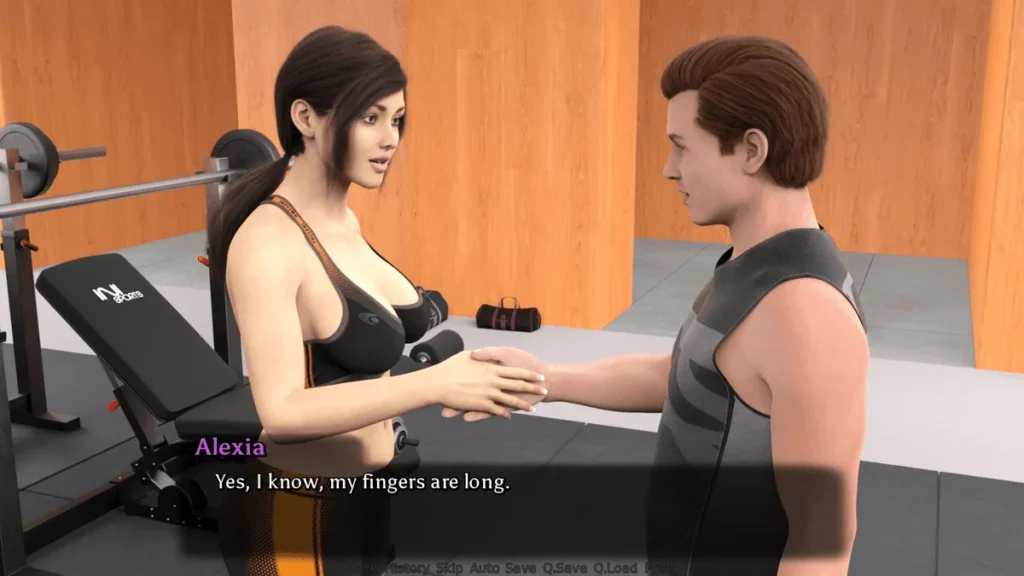
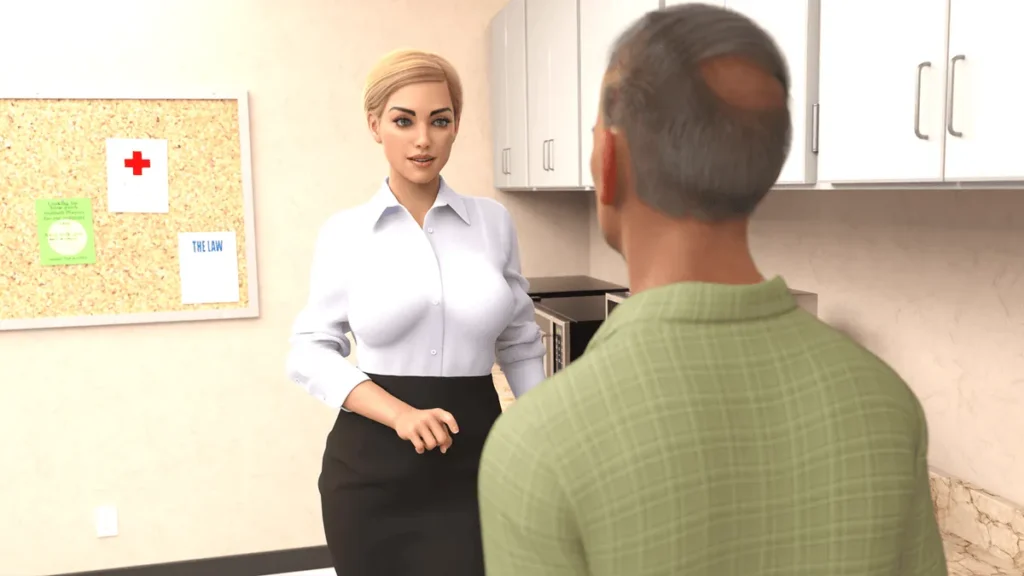

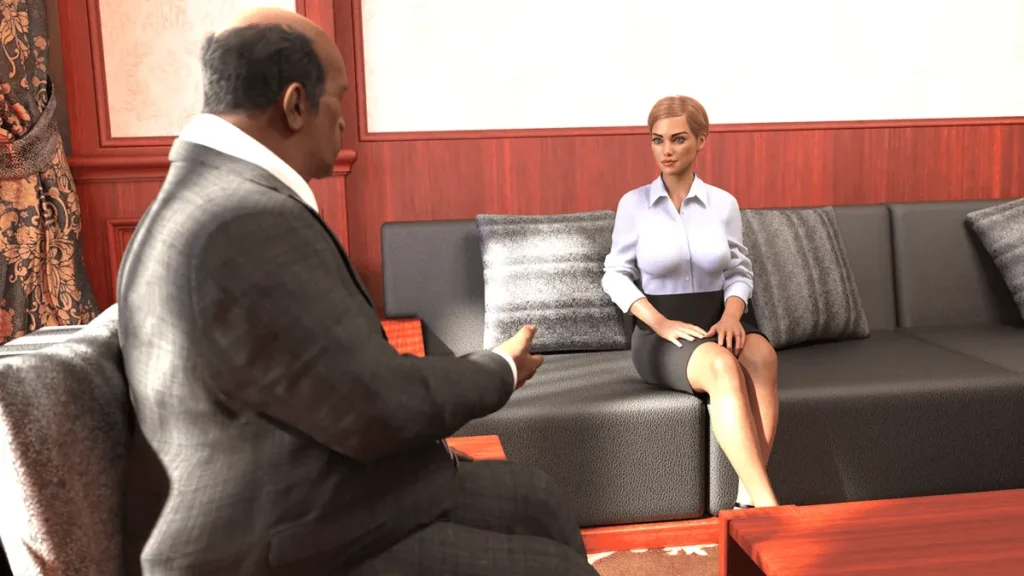
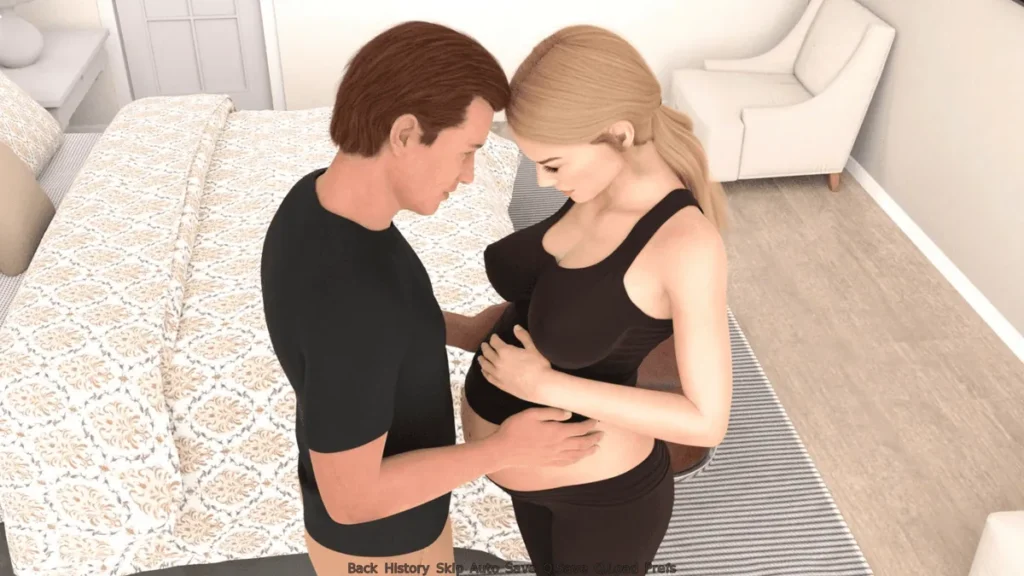

A Perfect Marriage review
Explore the dual-perspective visual novel that redefines adult gaming through narrative depth
A Perfect Marriage stands out in the adult gaming landscape as a narrative-driven visual novel that transcends typical genre conventions. Developed by Mr. Palmer, this interactive story places you in the intimate world of Anna and David Parker, a couple navigating relationship complexities through a week of pivotal decisions. What makes this experience unique is its dual-perspective gameplay—you don’t just observe their marriage; you live it from both partners’ viewpoints. With branching narratives, animated sequences, and a sophisticated choice-tracking system, A Perfect Marriage delivers psychological depth alongside mature content. Whether you’re drawn to relationship simulations, choice-driven narratives, or character-focused storytelling, this game offers over 10 hours of content with multiple distinct endings shaped entirely by your decisions.
Understanding A Perfect Marriage: Core Gameplay & Narrative Structure
If you’re like me, you’ve probably clicked on more than a few “adult” visual novels expecting a gripping story, only to find the narrative depth of a puddle. 😩 The focus often lands squarely in one area, leaving complex characters and meaningful choices by the wayside. That’s precisely why A Perfect Marriage feels like such a revelation. This isn’t just another title in the genre; it’s a relationship simulation game that digs its fingers into the gritty, complicated, and painfully real psychology of a partnership under immense strain. 🤯
Developed by Genius Inc, the current version (0.7.1b) offers over ten hours of content where your interactive story choices don’t just lead to different scenes—they fundamentally reshape who the characters become. Forget simple good or bad endings; here, you’re painting a portrait of a marriage, stroke by consequential stroke.
### What Makes This Visual Novel Different? ✨
So, what sets A Perfect Marriage visual novel apart in a crowded field? It’s the commitment to emotional authenticity over sensationalism. While the game deals with mature themes of infidelity, temptation, and jealousy, it treats them with the gravity they deserve. The core drama doesn’t come from random, shocking events, but from the slow burn of doubt, the weight of unmet expectations, and the silent conversations happening behind a couple’s smiles.
I remember starting my first playthrough, bracing for the usual tropes. Instead, I was immediately pulled into the quiet tension of Anna and David’s life. The game presents you not with caricatures, but with flawed, recognizable people. David might feel neglected and crave validation. Anna might feel overwhelmed and yearn for excitement. Their desires aren’t right or wrong; they’re human. Your job isn’t to judge them, but to guide their reactions through a minefield of marriage trials game mechanics.
This focus on narrative depth means every interaction is loaded with subtext. A simple question like, “How was your day?” can be a minefield depending on the accumulated resentment or affection between them. The game’s power lies in these minutiae, proving that a marriage isn’t destroyed by one grand betrayal, but by a thousand tiny cuts—or saved by a thousand small kindnesses. This meticulous attention to the psychology of relationships is the true hallmark of this choice-driven narrative game.
### The Dual-Perspective Mechanic Explained 🎭
This is where A Perfect Marriage truly innovates. The dual perspective gameplay isn’t a gimmick; it’s the entire engine of the story. You don’t just watch Anna and David’s relationship—you live inside both of their heads, alternately. One chapter, you’re making choices as David, grappling with his insecurities and temptations. The next, you’re in Anna’s shoes, navigating her frustrations and desires.
This mechanic is a masterclass in dramatic irony and empathy. Let me give you a personal example. In one early sequence, David decides to work late. As David, my internal monologue was all about pressure, providing for the family, and feeling like just a wallet. I chose to send Anna a terse text: “Stuck at office. Don’t wait up.” It felt justified from his perspective.
Then, the perspective switched to Anna. I saw her preparing a special dinner, her excitement turning to anxiety, then to cold disappointment as she read my (his) text. Her internal thoughts revealed she’d wanted to reconnect after a rough patch, and now saw my action as a blatant rejection. The same event, viewed through two lenses, created a powerful emotional punch. I, the player, knew the full story, but the characters were trapped in their own misunderstandings. It’s a brilliant way to reveal hidden character motivations that would remain opaque in a single-perspective story.
This alternating viewpoint forces you to constantly reconsider your decisions. That charming colleague who flirts with David? From his view, it’s a harmless ego boost. Switch to Anna, and you feel the first prickles of suspicion and hurt. The game makes you complicit in both the creation and resolution of conflict. By understanding both sides, you become more invested in finding a path—whether it’s toward reconciliation, passionate reconnection, or destructive separation. This dual perspective gameplay is the key to the game’s unparalleled emotional investment.
### How Choice-Driven Narratives Shape Your Story 🌊
In A Perfect Marriage, there is no “default” story. The narrative is a direct, dynamic creation of your choices. This goes far beyond picking obvious “nice” or “mean” dialogue options. Every interaction feeds into a sophisticated, behind-the-scenes tracking system that monitors the health and direction of the relationship across multiple vectors.
The game uses a set of key meters—Corruption, Loyalty, Jealousy, and Affection—that silently rise and fall with every decision. These aren’t just scores; they are the narrative DNA of your playthrough. They determine which branching narrative paths unlock, which character traits become dominant, and ultimately, which of the multitude of endings you will experience.
Tip: Think of the meters not as a morality system, but as a relationship weather vane. High “Affection” with low “Corruption” might lead to a sweet, rekindled romance. High “Corruption” and “Jealousy” could steer the story into dramatic, confrontational territory.
Let’s break down how these choices track, using a common scenario:
| Scenario & Choice | Primary Meter Affected | Potential Narrative Branch Unlocked |
|---|---|---|
| At a party, someone flirts with Anna. As David, you: Confront the flirt aggressively. | Jealousy (++), Affection (-) | Leads to a public argument scene; may unlock a path where David’s possessiveness pushes Anna away. |
| At a party, someone flirts with Anna. As David, you: Trust her and laugh it off. | Loyalty (++), Affection (+) | Strengthens bond; may unlock an intimate “reaffirmation of trust” scene later that night. |
| At a party, someone flirts with Anna. As David, you: Use it as an excuse to flirt with someone else yourself. | Corruption (++), Jealousy (+) | Triggers a competitive spiral; unlocks paths involving mutual infidelity and risky behavior. |
| As Anna, after the flirtation, David asks if you’re okay. You: Snap that he’s being controlling. | Affection (–), Jealousy (+) | Escalates tension; may lead to a cold war storyline with separate sleeping arrangements. |
| As Anna, after the flirtation, David asks if you’re okay. You: Admit it made you uncomfortable and thank him for his concern. | Affection (++), Loyalty (+) | Promotes vulnerability; can unlock a collaborative “team against the world” story thread. |
Now, let’s expand that single party scenario into a concrete example of branching narrative paths. Say you’re playing as David, and an attractive colleague, Chloe, is clearly flirting with you at a work event.
- Choice 1 (The “Loyal” Path): You politely shut down the flirtation and mention your wife Anna warmly. This boosts your Loyalty and Affection meters. Later, as Anna, you might get a scene where David voluntarily tells you about the incident, strengthening trust. This could branch into a storyline where you two plan a romantic weekend to reconnect.
- Choice 2 (The “Tempted” Path): You engage with the flirtation, enjoying the attention. This increases your Corruption meter. The game tracks this. Later, when you’re stressed as David, the game might offer you a new choice: “Text Chloe to vent.” If you take it, you’ve now unlocked a secret sub-plot of emotional (and potentially physical) infidelity, full of its own tense choices and consequences.
- Choice 3 (The “Passive-Aggressive” Path): You don’t actively flirt back, but you don’t shut it down either, rationalizing it as “just being polite.” This might give a small boost to Corruption while also raising Jealousy (if Anna finds out). This middle-ground choice can lead to the most insidious branch: a slow-burn erosion of the relationship where both parties grow distant without a single big fight, potentially ending in a quiet, melancholic separation.
This is the magic of a true choice-driven narrative game. A seemingly minor decision at a party doesn’t just change the next line of dialogue; it alters the narrative chemistry, opening and closing entire future chapters of Anna and David’s lives. The interactive story choices are the threads, and you are the weaver. One playthrough might be a heartbreaking tragedy of misunderstanding. Another might be a steamy thriller of mutual corruption. Yet another could be a heartfelt story of rebuilding and forgiveness. With the marriage trials game mechanics constantly evaluating your input, no two stories feel the same.
This level of complexity ensures that the advertised “10+ hours of content” is just the beginning. Your second playthrough isn’t about skipping text to see a different ending; it’s about living a fundamentally different story because you, as the guiding force behind both characters, have changed. A Perfect Marriage provides the canvas, the paints, and the complex subjects—but you create the portrait. Every choice, from the monumental to the mundane, is a brushstroke in the unique and deeply personal story of your perfect marriage.
A Perfect Marriage transcends typical adult gaming by prioritizing narrative depth, character psychology, and meaningful player agency. The dual-perspective system allows you to experience the same events through fundamentally different emotional lenses, creating moments of genuine insight and empathy. With its sophisticated choice-tracking system, branching narratives, and multiple distinct endings, the game rewards thoughtful decision-making and encourages exploration of different relationship dynamics. Whether you’re drawn to the psychological complexity of relationship simulation, the satisfaction of choice-driven storytelling, or the integration of mature content into meaningful narrative moments, A Perfect Marriage delivers a compelling experience that respects player intelligence. The game’s over 10 hours of content and achievement system ensure that each playthrough feels fresh, revealing new details and alternative paths. If you’re seeking an adult visual novel that treats its characters and story with genuine care, A Perfect Marriage offers a masterclass in how to weave intimate content into emotionally resonant narrative design.