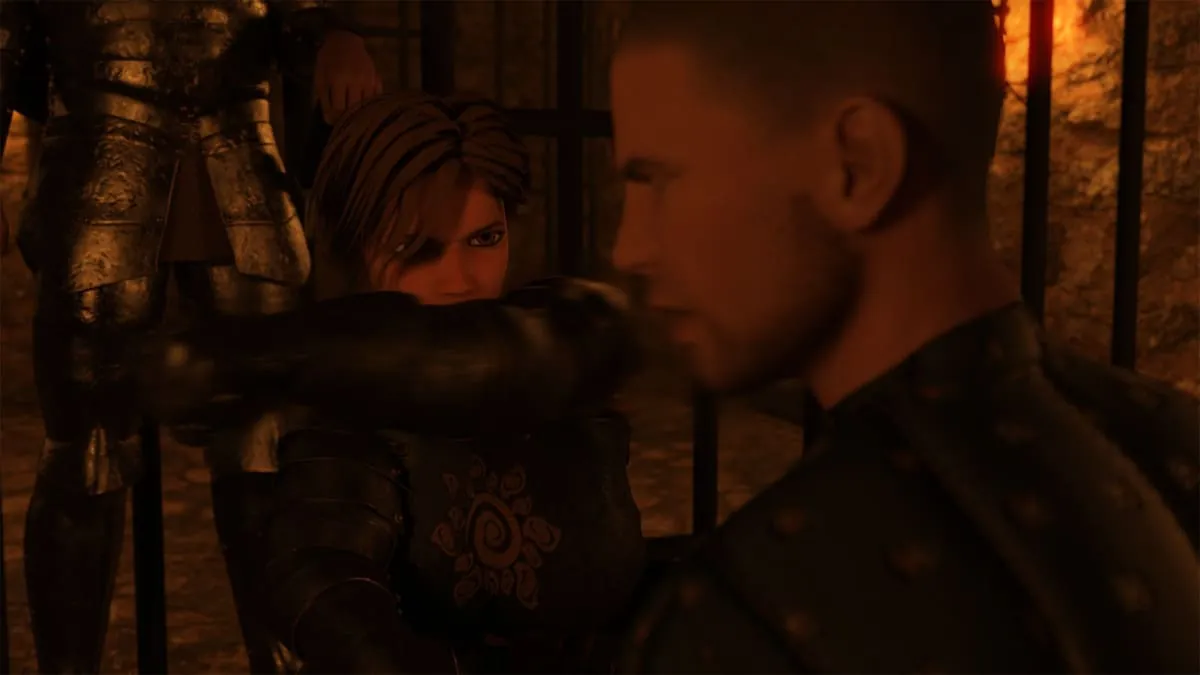
The Inn
Play The Inn
The Inn Screenshots







































The Inn review
Master management, relationships, and choices in this interactive visual novel
The Inn stands out as a distinctive interactive visual novel that seamlessly blends narrative-driven storytelling with engaging management simulation elements. Developed by Lykanz using Ren’Py, this experience invites players to manage a rundown establishment while building meaningful relationships with diverse characters. The game’s depth lies in its respect for player agency—every decision carries weight, from pricing strategies to dialogue choices, creating unique story paths for each playthrough. Whether you’re drawn to complex character dynamics, strategic resource management, or branching narratives with real consequences, The Inn delivers a mature, thoughtfully crafted experience that rewards exploration and meaningful interaction.
Core Gameplay Mechanics: What Makes The Inn Unique
Ever loaded up a new game, only to be hit with a wall of confusing menus, disconnected systems, and mechanics that feel like busywork? 🙃 I know I have. When I first stepped into the world of The Inn, I braced myself for the usual routine: click through dialogue, manage a simple meter, and follow a linear path. What I found instead was a breathtakingly cohesive world where every action, from sweeping the floor to choosing a kind word, ripples out to shape an entire living community. This isn’tt just a visual novel with management tacked on—it’s a sophisticated simulation of life, consequence, and connection.
So, what’s the secret sauce? The Inn gameplay mechanics are built on four deeply interconnected pillars: Inn Management, Dialogue & Relationships, World Exploration, and Choice & Consequence. Think of them not as separate minigames, but as threads in the same rich tapestry. Your resource management strategy at the inn directly funds your ability to give gifts for character relationship building. The materials you find through world exploration and discovery unlock new recipes and repair options, which attract different types of guests. And every single interactive dialogue choice can alter the course of your relationships, your business, and the narrative itself. Let’s break down how this brilliant machine works.
To see how beautifully these systems dance together, here’s a quick overview:
| Core System | What You Do | Why It Matters | How It Connects |
|---|---|---|---|
| Inn Management Simulation | Cook, clean, set prices, assign rooms, repair facilities. | Generates income & reputation. Attracts specific guest types. Unlocks narrative and relationship opportunities. | Funds exploration gifts. Your inn’s state triggers unique dialogues. Guest types can become story-critical NPCs. |
| Character Relationship Building | Engage in dialogue, offer advice, remember preferences, give meaningful gifts. | Unlocks personal storylines, secret quests, special services, and crucial support during crises. | NPCs may offer discounts, free materials, or help with chores. Their moods affect other guests and the ambient tone. |
| World Exploration & Discovery | Forage, fish, hunt, mine in the surrounding valleys, forests, and rivers. | Gathers essential crafting & cooking resources. Triggers hidden events and lore about the world. | Yields gifts for relationships and ingredients for high-profit meals. Finding a secret area might introduce a new character. |
| Choice & Consequence System | Make nuanced decisions in dialogue, business, and moral dilemmas. | Creates a permanently branching narrative. Shapes your reputation as an innkeeper and a person. | A single choice can affect income, NPC availability, future dialogue trees, and even the game’s soundtrack. |
Inn Management Systems and Resource Allocation
Forget boring number-crunching. The inn management simulation in The Inn is a tactile, thoughtful, and deeply rewarding core loop. You’re not just balancing a spreadsheet; you’re curating an experience. 🛏️🍳
Your day starts with priorities. Do you spend your first hour cracking eggs for a premium fisherman’s breakfast to please a lucrative regular, or do you rush to repair the leak in Room 3 before the fussy noble couple arrives? This is your resource management strategy in action, where time, materials, and energy are your most valuable currencies.
Let’s talk practicals. Your management duties break down into a few key areas:
* Cooking & Hospitality: This is your primary income driver. You’ll gather recipes (some bought, some shared by guests!), source ingredients, and prepare meals. Pricing is an art form—charge too much, and you’ll gain a greedy reputation; charge too little, and you won’t have the silver to buy that new bedframe a traveler desperately needs.
* Maintenance & Upkeep: Rooms get dirty. Furniture breaks. A well-kept inn attracts better clientele and allows you to charge higher rates. Deciding whether to make a quick, cheap repair or invest in a lasting solution is a classic long-term vs. short-term resource management strategy.
* Room Assignments: This is where strategy gets personal. That bubbly merchant might liven up the quiet scribe in the room next door, leading to a charming friendship you can observe. Alternatively, putting the rowdy hunter next to the light-sleeping scholar might get you a complaint. You’re not just filling beds; you’re orchestrating social dynamics.
My personal “aha!” moment came when I stopped seeing tasks as chores. I realized that spending extra time polishing the common area’s hearth didn’t just boost a hidden “cleanliness” stat—it actually triggered new dialogue from regulars who appreciated the cozy atmosphere. The game respects your intelligence, showing rather than telling how a welcoming environment fosters community and, by extension, loyalty and profit.
Character Interaction and Relationship Building
If managing the inn is the body of the game, then character relationship building is its beating heart. ❤️🤝 The people who walk through your door—from the weary soldier to the cryptic herbalist—are not quest dispensers. They are individuals with schedules, biases, memories, and evolving lives.
The engine for this is the interactive dialogue choices system. You will never see a simple [Good], [Neutral], [Evil] prompt. Instead, you’re presented with nuanced responses that reflect different attitudes: empathetic, practical, humorous, inquisitive, or reserved. The game remembers everything. Mention a traveler’s past sorrow clumsily, and they might shut down for weeks. Remember their favorite tea and have it ready upon their return, and you’ll unlock a layer of vulnerability they show no one else.
Here’s my actionable advice for mastering relationships:
1. Listen Actively: NPCs drop hints about their lives, desires, and problems. Jot them down mentally or in real life!
2. Gift with Purpose: A gift grabbed randomly is pointless. That rare book you found while exploring? The reclusive scholar mentioned seeking it last season. Giving it to him isn’t just a “+10 Friendship” tick—it might open an entire subplot about ancient history.
3. Offer Meaningful Help: Sometimes, the best interactive dialogue choice isn’t about giving things, but offering your time or a unique skill. Helping a guest mend a treasured locket using your repair skill can create a bond stronger than any transaction.
These relationships are your truest resource. A blacksmith you’ve befriended might fix your tools at a discount. A guard captain who trusts you could tip you off about an incoming caravan, letting you stock up on supplies. The connections you foster become an organic support network, making the management side smoother and the narrative profoundly personal.
World Exploration and Discovery Mechanics
The story doesn’t end at your inn’s porch. The surrounding world is a vast, beautiful, and resource-rich character in itself. 🌲⛰️ World exploration and discovery is your direct pipeline to progression, both material and narrative.
Each region—the whispering pine forest, the rushing trout stream, the crumbling highland mines—has its own rhythm and rewards. You might go foraging for mushrooms at dawn, spend the afternoon fishing at a tranquil pool, and venture into the mines at dusk when the rare glowing crystals are visible. This isn’t just a pretty backdrop; it’s a vital part of your resource management strategy. The quality of fish you catch determines what meals you can cook. The ore you mine dictates what upgrades you can build.
But exploration goes deeper than hauling back loot. You’ll stumble upon hidden clearings with forgotten shrines, encounter non-guest NPCs going about their lives, and trigger environmental stories. I once followed a path of oddly placed wildflowers deep into the woods, which led to a silent encounter with a reclusive painter—a character who never visits the inn but became a crucial part of my story through these secret meetings. These discoveries feed back into everything: new recipes, new gift ideas, new conversation topics, and new understanding of the game’s lore.
Pro Tip: Always explore with a specific goal in mind, but be open to distraction. That “detour” to investigate a strange light is often where The Inn hides its most magical moments and valuable secrets.
The Symphony of Choice and Consequence
Now, let’s weave all these threads together into the master system: the choice and consequence system. This is where The Inn truly shines as a mature, intelligent experience. There are no “right” answers, only your answers, and the game is meticulously built to reflect them in surprising, layered ways.
The game avoids binary morality entirely. A decision isn’t about being “good” or “bad”; it’s about being a “generous innkeeper,” a “shrewd businessperson,” a “protective friend,” or a “curious outsider.” And one choice can send vibrations through every other system.
Let’s walk through a specific, cascading example:
-
The Decision: A destitute mother and her child arrive, begging for a room but unable to pay. You have one vacant room, but a wealthy, pre-booked merchant is also due to arrive later.
-
The Immediate Consequence: You decide to turn the family away to secure the merchant’s silver. The mother’s face falls, and she leaves into the cold night.
-
The Cascading Effects:
- Income & Management: The merchant arrives, pays handsomely, and his high spending on food and drink gives your daily profits a significant boost. ✅
- Relationships: The kindly woodcutter NPC, who saw you turn them away, is visibly cold to you for the next several days, offering you lower prices for firewood. A regular, a retired priest, praises your business sense but his dialogue loses its previous warmth. ❌
- Guest Types & Narrative: The next week, a new traveler—a vigilant city guard—mentions hearing about a “pragmatic” innkeeper at his post. Your reputation is shifting. The story branch where the mother’s child could have grown up to become a recurring helper is now permanently closed.
- Ambient World: This is the genius touch. For the next few in-game days, the usual warm, welcoming soundtrack in your common room is subtly undercut by a faint, melancholic piano melody. The game’s very atmosphere reflects the emotional weight of your decision.
This is the power of the choice and consequence system. It’s not about punishment or reward; it’s about validation that your decisions carry authentic weight. The interactive dialogue choices you make, fueled by your character relationship building efforts and enabled by your inn management simulation success, collectively author a story that could never be told the same way twice.
Mastering The Inn gameplay mechanics is about embracing this interconnectivity. Don’t just manage; listen to what your inn and its guests need. Don’t just explore; think about who might appreciate what you find. See every choice not as a menu option, but as a stone cast into a pond. Watch the ripples touch the shores of management, friendship, and discovery. That’s where you’ll find not just success, but a truly unique and deeply personal story waiting to be told.
The Inn represents a thoughtfully crafted experience that respects player intelligence through meaningful choice systems and interconnected gameplay mechanics. By mastering the balance between inn management, character relationships, and strategic exploration, players unlock the game’s true depth—a uniquely personalized narrative shaped entirely by their decisions. The game’s strength lies not in prescriptive gameplay but in creating space for experimentation and discovery. Whether you’re optimizing for financial success, pursuing specific character storylines, or simply enjoying the immersive world, The Inn rewards curiosity and engagement. Start by talking to everyone, save before major decisions, and remember that your version of the story is uniquely yours. Dive into this distinctive visual novel and discover what makes it a standout experience in interactive storytelling.